Whether a Mastiff Gets Dilated Cardiomyopathy
The sheer size and deep chest of a Mastiff can be awe-inspiring, but it also brings unique health concerns that weigh heavily on any dedicated owner's mind. One of the most common worries for giant breed parents is the specter of heart disease, which can develop silently and progress rapidly. This guide aims to thoroughly explore Dilated Cardiomyopathy (DCM) in Mastiffs, helping you understand what it is, how to recognize its signs, and what steps you can take to manage and potentially prevent this serious condition.
Understanding Dilated Cardiomyopathy
When we talk about heart health in our beloved Mastiffs, one term that often comes up in conversation and veterinary discussions is Dilated Cardiomyopathy, or DCM. It's a scary phrase, often associated with some of the largest and most noble dog breeds, and for good reason. Understanding exactly what DCM is, and how it impacts the heart, is the first crucial step in protecting our gentle giants.
What is DCM and How Does It Affect the Heart?
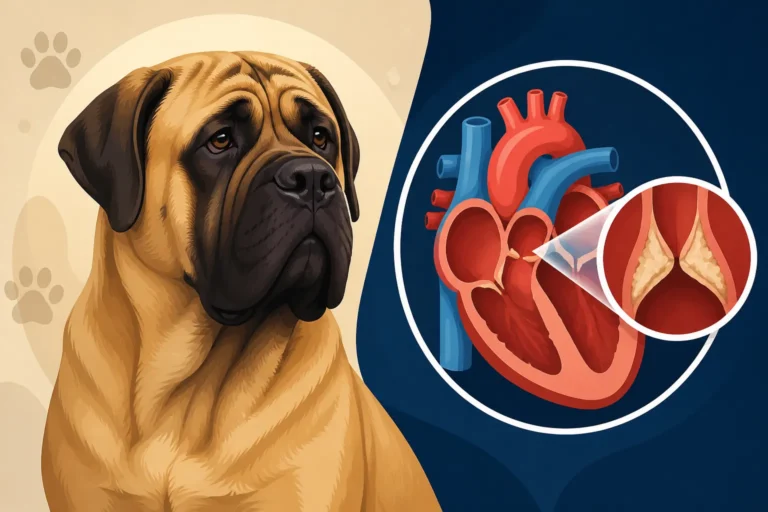
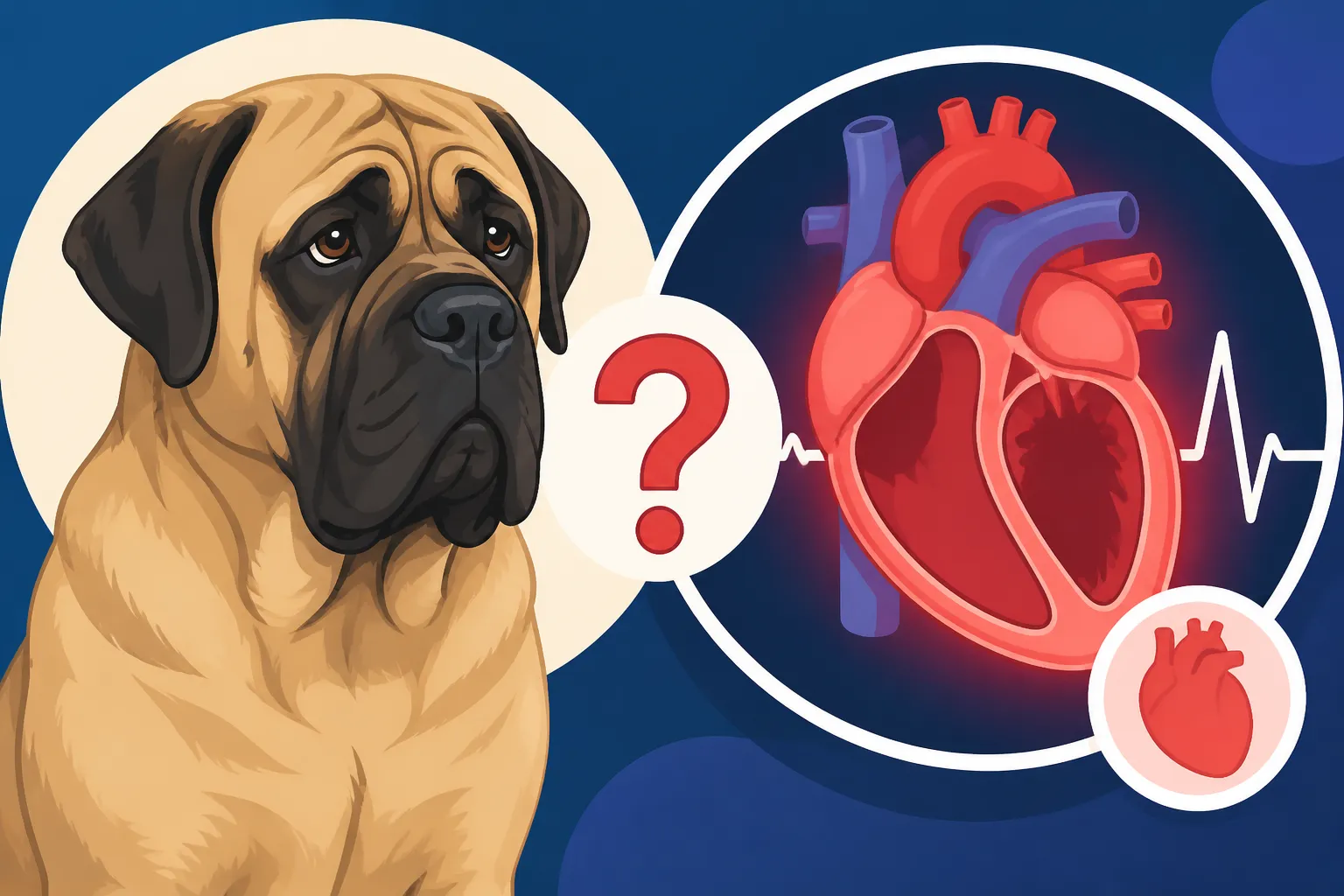
Imagine your Mastiff's heart as a powerful pump, constantly working to circulate blood throughout their massive body. In dogs with Dilated Cardiomyopathy, this pump becomes less efficient over time. The muscle walls of the heart, particularly the main pumping chamber (the left ventricle), become thin and weakened. As these walls weaken, the chambers themselves stretch and enlarge, losing their ability to contract forcefully.
This means that with each beat, less blood is pumped out to the body, a condition known as reduced cardiac output. The heart tries to compensate by beating faster or enlarging further, but these are short-term fixes that ultimately put even more strain on an already struggling organ. Over time, this leads to a buildup of blood in the heart and blood vessels, often resulting in fluid accumulation in the lungs (pulmonary edema) or abdomen (ascites) – the hallmark signs of congestive heart failure. It's a progressive disease, meaning it tends to worsen over months or even years, gradually diminishing the heart's function and, tragically, a dog's quality of life.
Common Breeds Prone to DCM
DCM isn't an equal-opportunity disease; certain breeds are genetically predisposed to developing it. When you hear about DCM, you're most likely hearing about it in Doberman Pinschers, Great Danes, Boxers, Irish Wolfhounds, and Cocker Spaniels. These breeds often have identified genetic mutations that contribute to the disease, making screening a critical part of responsible breeding and ownership. For instance, Dobermans have specific genetic tests available to identify dogs at risk, allowing breeders to make informed decisions and owners to initiate early monitoring.
While the "classic" DCM breeds often grab the headlines, it's important not to become complacent simply because your dog isn't one of them. Any large or giant breed can, theoretically, develop heart issues, and sometimes what looks like DCM in a less commonly affected breed might have a different underlying cause, or simply be a less defined genetic component. This is why a comprehensive approach to health, including regular veterinary check-ups and open communication with your breeder, is paramount for breeds like the Mastiff.
DCM in Mastiffs: The Reality
Given the prevalence of Dilated Cardiomyopathy in other large and giant breeds, it's natural for Mastiff owners to wonder: is this something my gentle giant needs to worry about specifically? The reality is nuanced, and understanding it can help alleviate some fears while highlighting areas where vigilance is still crucial.
Is DCM a Primary Concern for Mastiffs?
Compared to breeds like the Doberman Pinscher or Great Dane, Mastiffs are not typically listed at the very top of the "DCM-prone breeds" chart with a clearly defined genetic marker. That's not to say they are immune to heart disease; far from it. Mastiffs, like all giant breeds, are indeed susceptible to various cardiac conditions, and DCM can occur. However, it might manifest differently or be less common as a primary, breed-specific genetic issue than in some of their giant breed cousins.
Instead, Mastiffs may sometimes be diagnosed with a form of cardiomyopathy that presents similarly to DCM but without the same specific genetic links found in other breeds. This can make diagnosis and prognosis a bit more complex. It underscores why regular veterinary care and cardiac screening are so vital, even if a specific "Mastiff DCM gene" isn't widely recognized. The sheer size and rapid growth of a Mastiff puppy put immense strain on their developing systems, including their hearts, which means early detection of any cardiac abnormality is key. Ensuring your puppy is from health-tested parents and that you follow proper guidelines for Restraining the Growth of a Mastiff Puppy can mitigate some risks associated with rapid development.
Distinguishing Mastiff Cardiac Issues from Classic DCM
It's helpful to understand that not all heart conditions that result in a dilated, poorly functioning heart are the "classic" Dilated Cardiomyopathy seen in, say, a Doberman. Mastiffs can, unfortunately, suffer from other forms of cardiomyopathy or structural heart defects. For example, some Mastiffs might develop what's sometimes termed "idiopathic cardiomyopathy," meaning the cause isn't definitively known, but the heart still dilates and weakens. The symptoms can be very similar to DCM, making the distinction difficult without thorough diagnostic testing.
Symptoms such as a cough, lethargy, or reduced exercise tolerance could point to heart disease, but they could also be indicative of other, non-cardiac issues. This is why simply hearing a murmur during a routine check-up for your Mastiff shouldn't immediately lead to panic about DCM. A vet will need to perform specific diagnostics to determine the exact nature of the heart problem. This might involve looking for signs of subaortic stenosis, pulmonic stenosis, or other congenital conditions that, while less common, can affect individual Mastiffs. The most important takeaway is that any heart-related symptoms or concerns in a Mastiff warrant a comprehensive cardiac evaluation by a veterinarian. This evaluation could be the difference between early intervention and dealing with advanced heart failure.
Recognizing the Signs and Symptoms of DCM
One of the most frustrating aspects of Dilated Cardiomyopathy, and indeed many chronic health issues in large dogs, is how subtly it can begin. Our Mastiffs are famously stoic and often hide discomfort until a condition is quite advanced. This makes an owner's keen observation skills and proactive veterinary care absolutely indispensable.
Early, Subtle Indicators
The onset of DCM is often insidious. You might notice your Mastiff, usually a powerhouse of calm energy, becoming just a little less enthusiastic. Perhaps they're a bit slower to get up in the morning, or they'd rather nap than join you for that short, leisurely walk. This isn't just "getting older" for a breed that only gets Six to Ten Years; it could be an early warning sign. You might observe a slight decrease in their exercise tolerance; they tire more quickly than before, or seem less inclined to play vigorously.
Another subtle sign can be a mild, soft cough, especially at night or when they first wake up. It might sound like they're trying to clear their throat, not a dramatic hacking cough. This cough is often dismissed as kennel cough, allergies, or simply a deep-chested dog being a deep-chested dog. However, if the heart isn't pumping efficiently, fluid can start to back up into the lungs, causing irritation and that subtle cough. It’s easy to rationalize these changes away, particularly in a large, often mellow breed like the Mastiff, but validating these small changes with your vet is crucial.
Advanced Symptoms and Heart Failure
As DCM progresses, the signs become much more pronounced and alarming, often indicating that the heart is struggling significantly and potentially entering congestive heart failure. At this stage, fluid buildup becomes more evident. The cough will likely worsen, becoming more persistent and perhaps a wet, gurgling sound as fluid accumulates in the lungs. You might notice difficulty breathing (dyspnea), where your Mastiff seems to be panting excessively even at rest, or their breathing is shallow and rapid. Their gums might appear pale or bluish, indicating a lack of oxygen.
Abdominal distension, where their belly looks swollen and pot-bellied, is another late-stage sign, resulting from fluid accumulating in the abdomen (ascites). Your Mastiff may experience episodes of weakness, stumbling, or even fainting (syncope), particularly after excitement or exertion, because the heart simply cannot pump enough blood and oxygen to the brain. Loss of appetite and significant weight loss can also occur. These advanced symptoms demand immediate veterinary attention. When you see these signs, it's not a "wait and see" situation; it's an emergency that often requires a rapid trip to the nearest emergency veterinary clinic. How a Clinic Moves a Collapsed Mastiff is a practical consideration for owners facing this dire scenario.
Diagnosing DCM in a Mastiff
The road to a definitive diagnosis of Dilated Cardiomyopathy in a Mastiff, especially in its early stages, can feel like a maze. It requires a combination of astute observation, a thorough physical exam, and specialized diagnostic tools. Don't be shy about advocating for your Mastiff and pushing for comprehensive testing if you have concerns.
The Veterinary Examination and Initial Tests
Your veterinarian's initial assessment is the first crucial step. During a routine check-up, they'll listen to your Mastiff's heart with a stethoscope. The presence of a heart murmur – an abnormal swishing sound – or an irregular heart rhythm (arrhythmia) will immediately raise a red flag. However, it’s important to note that not all murmurs are indicative of DCM, and some dogs with DCM might not have an obvious murmur. This is why further investigation is always necessary.
Beyond listening, your vet will perform a complete physical exam, checking mucous membrane color, pulse quality, and looking for any signs of fluid retention, like swelling in the legs or distended veins in the neck. They'll also typically recommend chest X-rays. These radiographs can reveal if the heart is enlarged (cardiomegaly) and, critically, if there's fluid accumulation in or around the lungs, which points directly to congestive heart failure. Blood tests are also usually part of the initial workup. While they don't diagnose DCM directly, they help rule out other conditions that might cause similar symptoms, check kidney and liver function (important for medication choices), and assess overall health.
Definitive Diagnostic Tools: Echocardiogram and ECG
To definitively diagnose DCM, your Mastiff will need more specialized cardiac imaging. The gold standard for diagnosing DCM is an echocardiogram. This is essentially an ultrasound of the heart, performed by a veterinary cardiologist or a trained general practitioner. During an echocardiogram, the vet can visualize the heart's structure in real-time: the size of its chambers, the thickness of its walls, and how effectively the heart muscle is contracting and relaxing. They can directly measure the ejection fraction (the percentage of blood pumped out with each beat) and fractional shortening, which are key indicators of the heart's pumping efficiency. In DCM, these measurements will be significantly reduced, and the chambers will appear enlarged and thinner-walled.
Another vital diagnostic tool is an electrocardiogram (ECG or EKG). This test records the electrical activity of the heart, identifying any abnormal rhythms or arrythmias. Many dogs with DCM develop irregular heartbeats, which can range from benign to life-threatening. Sometimes, a single ECG might not catch intermittent arrhythmias, so your vet might recommend a Holter monitor – a portable ECG device worn for 24-48 hours – to get a more comprehensive picture of your Mastiff's heart rhythm over time. These advanced diagnostics provide the detailed information necessary to confirm a DCM diagnosis, assess its severity, and guide appropriate treatment. It's often recommended that a Mastiff needs a cardiac exam as part of routine health screening, especially if they are part of a breeding program.
Treatment and Management for a Mastiff with DCM
Receiving a diagnosis of Dilated Cardiomyopathy for your Mastiff can be devastating, but it's important to remember that it's not an immediate death sentence. While DCM is a progressive disease with no cure, there are significant advancements in veterinary cardiology that can help manage the condition, improve quality of life, and extend your Mastiff's time with you. The key is aggressive, consistent treatment and a deep partnership with your veterinary team.
Medications and Their Role
The cornerstone of DCM management involves a cocktail of medications designed to improve heart function, control fluid retention, and manage arrhythmias. One of the most common classes of drugs used are ACE inhibitors, such as enalapril or benazepril. These medications help to relax blood vessels, reducing the workload on the heart and improving blood flow. Diuretics, like furosemide, are critical for managing congestive heart failure by helping the body shed excess fluid that has built up in the lungs or abdomen, making breathing easier and reducing swelling.
Perhaps the most impactful drug in recent years for improving outcomes in dogs with DCM is pimobendan (Vetmedin). This unique medication has a dual action: it helps the heart muscle contract more forcefully and it also dilates blood vessels, further reducing the heart's workload. Depending on the type of arrhythmia present, other medications like digoxin or anti-arrhythmic drugs might be prescribed to stabilize the heart rhythm. It's a delicate balance, and your vet will often start with a specific regimen and then adjust dosages based on your Mastiff's response and regular monitoring. Managing these medications and their potential side effects means frequent vet visits and careful observation at home. This can add up quickly, but thankfully, pet insurance providers like Healthy Paws can often provide substantial support with these ongoing costs, easing the financial burden on devoted owners.
Lifestyle Adjustments and Supportive Care
Beyond medication, several lifestyle adjustments are crucial for supporting a Mastiff with DCM. Diet plays a significant role; typically, a low-sodium diet is recommended to help minimize fluid retention. Your vet might suggest a specific therapeutic cardiac diet, or advise you on how to modify your Mastiff's existing food. High-quality protein is generally important for maintaining muscle mass, but other dietary components might be adjusted based on individual needs.
Exercise restriction is another critical component. While some gentle, short walks might be permitted in very stable cases, strenuous activity, prolonged play, or anything that could overexert the heart is strictly off-limits. The goal is to minimize stress on the already compromised heart. Creating a calm, predictable environment for your Mastiff can also help. Regular, frequent veterinary check-ups are non-negotiable for monitoring your Mastiff's progress, adjusting medications, and catching any signs of worsening disease promptly. These check-ups might involve repeat X-rays, blood tests, or even follow-up echocardiograms. This dedicated level of care can significantly prolong and improve the quality of life for your beloved companion, allowing you to cherish their precious Six to Ten Years even more. For many Mastiff owners, the focus shifts to Caring for a Mastiff Past Five, making every year count.
Prevention and Breeder Responsibility
While the news about DCM can be sobering, there are proactive steps that current and prospective Mastiff owners can take to minimize risks and ensure they're supporting the health of the breed. It all starts with responsible choices and transparent communication.
The Role of Genetic Screening
For many breeds prone to DCM, genetic tests are available to identify carriers or affected individuals. For Mastiffs, the picture isn't quite as clear-cut as, say, with Dobermans where specific gene mutations are well-documented. There isn't a universally accepted, Mastiff-specific genetic test for DCM that breeders routinely utilize in the same way they do for other inherited conditions. However, this doesn't mean genetics play no role. Cardiomyopathies can still have an inheritable component, even if the exact genes aren't yet isolated.
Therefore, responsible breeders should focus on general good breeding practices, which include health testing of all breeding stock for common Mastiff health issues beyond just cardiac. They should be tracking health outcomes in their lines, being transparent about any cardiac disease that appears, and making informed decisions to avoid breeding dogs from lines with a history of early-onset or severe heart disease. This commitment to transparency and health is paramount for the longevity and well-being of the breed.
Why a Mastiff Needs a Cardiac Exam
Given the potential for cardiac issues, whether classic DCM or other forms of cardiomyopathy, it is critically important that Mastiffs, especially those destined for breeding, undergo thorough cardiac examinations. The Orthopedic Foundation for Animals (OFA) offers a comprehensive cardiac database, and responsible Mastiff breeders should be submitting their dogs for OFA Cardiac certifications. This typically involves an examination by a board-certified veterinary cardiologist, often including an echocardiogram, to screen for congenital heart defects and acquired cardiac diseases like DCM.
A clean bill of health from a specialist provides a much higher level of assurance about a dog's cardiac status. Knowing Whether a Mastiff Needs a Cardiac Exam and advocating for it, both as a breeder and a prospective puppy buyer, is a powerful way to promote healthier generations. These exams can identify subtle murmurs or early changes that might otherwise go unnoticed, allowing for better breeding decisions or earlier intervention if a pet-quality dog is diagnosed. This is just one of The Four CHIC Tests a Mastiff Breeder Must Clear to ensure they are contributing positively to the breed's health.
Choosing a Responsible Breeder
When bringing a Mastiff into your home, the breeder you choose has an enormous impact on the health and temperament of your puppy. A truly responsible breeder will be an open book when it comes to the health of their dogs. They should be eager to discuss and show you the health certifications for both the puppy's parents, including OFA Hip and Elbow clearances, OFA Eye certifications, and crucially, OFA Cardiac clearances. If a breeder dismisses cardiac screening, especially for a giant breed, that's a red flag.
They should also be able to discuss the health history of their breeding lines, including any incidence of heart disease. Ask about the lifespan of their dogs and any conditions that commonly appear. A good breeder will typically have a relationship with their veterinarian and possibly even a veterinary cardiologist. They will prioritize health and longevity over simply producing puppies. Choosing such a breeder is the best way to start your Mastiff's life on the healthiest possible footing, giving you peace of mind that you've done everything you can to prevent common health issues.
| Symptom Category | Early/Subtle DCM Indicators | Advanced/Congestive Heart Failure Symptoms |
|---|---|---|
| Energy & Activity | Mild lethargy, less enthusiasm for walks/play, tires easily | Extreme weakness, inability to exercise, collapse, fainting |
| Coughing | Soft, occasional cough (especially at night or waking) | Persistent, wet, gurgling cough, difficulty clearing throat |
| Breathing | Normal at rest, mild panting after minimal exertion | Rapid, shallow breathing (tachypnea) at rest, open-mouth breathing, labored breathing |
| Appetite & Weight | Normal or slight decrease in appetite, stable weight | Significant loss of appetite (anorexia), noticeable weight loss |
| Physical Appearance | Normal | Pot-bellied appearance (ascites), swollen limbs, pale or bluish gums |
| Behavior | Slight reluctance to move, seeking quiet spots | Restlessness, inability to get comfortable, anxiety |
Disclaimer
The information provided in this guide is for general educational purposes only and should not be considered a substitute for professional veterinary advice. If you suspect your Mastiff is experiencing symptoms of Dilated Cardiomyopathy or any other health concern, please consult with a qualified veterinarian immediately.