Why a Mastiff Litter Needs an Eye Exam
Bringing home a Mastiff puppy is an exciting time, filled with dreams of a loyal, gentle giant joining your family. But the heartbreak of discovering an inherited health issue that could have been prevented or prepared for is a very real fear for many new owners. One area where early detection is paramount, yet often overlooked by the untrained eye, is inherited vision problems. This comprehensive guide will delve into why a thorough eye exam for every Mastiff puppy in a litter isn't just a suggestion, but a crucial step for their future well-being and for the health of the entire breed.
The Hidden World of Inherited Eye Conditions in Mastiffs
It's a tough pill to swallow, but many of the majestic breeds we adore carry genetic predispositions to various health challenges, and Mastiffs are no exception. Their eyes, those soulful windows to their gentle nature, can harbor silent threats that won't show obvious signs until it's far too late to intervene effectively or prevent heartbreak. Understanding these conditions is the first step in appreciating the necessity of early screening.
The Silent Threat of Progressive Retinal Atrophy (PRA)
Progressive Retinal Atrophy (PRA) is one of those conditions that strikes fear into the hearts of dog lovers. It’s a group of genetic diseases that cause the degeneration of the retina, eventually leading to blindness. For Mastiffs, specifically, there's a variant called Progressive Retinal Atrophy (PDE6B-PRA) that follows an autosomal recessive inheritance pattern. This means a puppy must inherit a copy of the affected gene from both parents to be clinically affected and eventually go blind. However, carriers, who only inherit one copy, won't develop the disease themselves but can pass it on. This is precisely why understanding how dominant inheritance works in Mastiff PRA is so vital for responsible breeding.
The insidious nature of PRA is that it doesn't typically manifest in young puppies. Owners might not notice any vision impairment until their beloved Mastiff is several years old, by which point the disease has often progressed significantly. Initial signs can be subtle, like bumping into furniture in dim light or hesitantly navigating familiar spaces at dusk. It’s a slow, cruel decline, impacting their quality of life profoundly. Imagine your massive, loving companion losing the ability to see the world around them – it's devastating for both dog and owner. Early identification through a veterinary ophthalmologist's exam and genetic testing, such as The DNA Test That Finds Mastiff PRA, allows breeders to make informed decisions and gives prospective owners a clear picture of what they might face.
Understanding Canine Multifocal Retinopathy (CMR1)
Another inherited eye condition that can affect Mastiffs is Canine Multifocal Retinopathy (CMR1). Unlike PRA, which is a progressive degeneration, CMR1 typically involves the development of multiple, discrete circular or oval lesions (folds or detachments) in the retina. While these lesions can impact vision, CMR1 is generally considered a milder condition than PRA, and many affected dogs maintain adequate vision throughout their lives. However, in some cases, the lesions can be more widespread or progressive, leading to more significant visual impairment.
The challenge with CMR1 is that the clinical signs, like the retinal lesions, can be present in very young puppies, often before they even leave the breeder. A thorough examination by a specialized ophthalmologist can detect these subtle changes. It's important to remember that while the vision loss might not be as severe as PRA, these puppies are still carrying and potentially passing on a genetic mutation. Knowing what Canine Multifocal Retinopathy Does to a Mastiff helps breeders manage their lines responsibly and provides transparency to future families. Even if vision isn't severely impacted, knowing a puppy has CMR1 allows owners to monitor for changes and adapt their environment if needed.
Other Less Common But Still Serious Eye Issues
While PRA and CMR1 are among the most discussed inherited eye conditions in Mastiffs, they are not the only ones that warrant attention during a puppy eye exam. Other structural and functional abnormalities can also be hereditary or develop early in life, causing discomfort or potential vision loss. These can range from eyelid abnormalities like entropion (inward rolling of the eyelid) or ectropion (outward rolling of the eyelid), which can cause chronic irritation, to other retinal or optic nerve anomalies.
For example, conditions like retinal folds, while often benign and non-progressive, can sometimes be indicative of other underlying issues or simply need to be monitored. Persistent pupillary membranes (PPMs), remnants of fetal blood vessels in the eye, can also occur. While many PPMs are harmless and resolve on their own, some can be severe enough to impede vision. A comprehensive eye exam can also identify early cataracts, though these are less common in young puppies unless congenital. These conditions, though perhaps less common than PRA or CMR1, still demand careful screening. The presence of any of these conditions underscores the importance of a skilled ophthalmologist, as they can differentiate between benign findings and those that require intervention or monitoring.
Why Early Eye Exams Are Non-Negotiable for Mastiff Puppies
The sheer size and robust appearance of a Mastiff can sometimes lead owners to believe they are immune to delicate health issues. However, their genetics, like those of many purebred dogs, require diligent attention, especially concerning their eyes. Early eye exams are not just a formality; they are a critical tool in ensuring the health of individual puppies and the integrity of the breed.
Catching Problems Before Symptoms Appear
One of the most compelling reasons for early eye exams is the ability to detect conditions before they become clinically apparent to a breeder or new owner. Many inherited eye diseases are progressive, meaning they worsen over time, but their initial stages might be so subtle that only a highly trained veterinary ophthalmologist with specialized equipment can spot them. A puppy might appear perfectly normal, navigating its littermates and toys without issue, while underlying retinal degeneration is already beginning.
By the time a puppy is eight weeks old, the ideal age for a litter eye exam, an ophthalmologist can often identify early signs of conditions like CMR1, or even structural abnormalities that could lead to problems later, such as severe entropion. This proactive approach is invaluable. Without these early screenings, a puppy could go to a new home, and its family might not discover a serious problem until it’s much older, causing significant emotional and financial strain. Early detection means early intervention, better management, and the opportunity for the family to be fully informed about their puppy's health prognosis, allowing them to make necessary preparations for a blind Mastiff if the condition progresses.
The Critical Role of a Board-Certified Veterinary Ophthalmologist
It's tempting to think your regular veterinarian can perform a comprehensive eye exam, and while they can certainly do a basic check, diagnosing intricate inherited conditions in puppies requires a specialist. A board-certified veterinary ophthalmologist has undergone extensive additional training, specializing solely in the anatomy, physiology, and diseases of the animal eye. They possess the specific diagnostic equipment, such as indirect ophthalmoscopes and slit lamps, and the nuanced understanding required to interpret subtle findings in a puppy's developing eyes.
These specialists are trained to perform what is known as an "OFA Eye Certification Exam," formerly known as a CERF (Canine Eye Registration Foundation) exam. This involves dilating the pupils and thoroughly examining all parts of the eye – the retina, optic nerve, lens, cornea, and eyelids – for any signs of disease. Their expertise is crucial because they can identify and correctly diagnose conditions that a general vet might miss or misinterpret. For instance, differentiating between a normal retinal fold and a problematic one requires a specialist's eye. Their certification also means they are part of a network contributing to broader breed health data, which helps track and reduce the prevalence of these conditions. Ensuring your Mastiff puppy has this expert screening means getting the most accurate assessment of their future eye health.
Ethical Breeding Practices and Puppy Buyer Assurance
For responsible Mastiff breeders, conducting eye exams on their entire litter is a cornerstone of ethical practice. It's a clear demonstration of their commitment to producing healthy puppies and upholding breed standards. When a breeder presents a buyer with an OFA Eye Certification Form for each puppy, it provides tangible proof that due diligence has been done. This transparency builds trust and offers immense peace of mind to new owners, knowing their puppy's eyes have been thoroughly checked by an expert.
Imagine being a prospective puppy buyer and seeing a breeder who voluntarily screens their entire litter versus one who shrugs off the idea. The difference is stark. Reputable breeders will often have had both parent dogs screened for inherited eye diseases, often through genetic DNA tests and regular eye exams, especially considering programs like The Four CHIC Tests a Mastiff Breeder Must Clear. However, even with clear parents, new mutations can occur, or a carrier parent (who doesn't show symptoms) could still pass on a gene if bred with another carrier. The puppy eye exam serves as an additional layer of verification, catching any anomalies that might not have been predicted. This commitment not only protects the individual puppy but also contributes to the overall health and genetic diversity of the Mastiff breed by helping to identify and remove affected lines from the breeding pool.
What Happens During a Puppy Eye Exam
Understanding what a puppy eye exam entails can help demystify the process for both breeders and new owners. It's not just a quick peek into the eye; it's a systematic and thorough evaluation designed to catch even the most elusive ocular conditions.
The Examination Process Explained
A typical puppy eye exam by a board-certified veterinary ophthalmologist is a detailed procedure. First, the ophthalmologist will conduct a general visual assessment, observing how the puppy navigates its environment. Then, they will use specialized tools to examine the eyes. The pupils will likely be dilated using eye drops, which allows for a much clearer view of the retina and the back of the eye. This dilation typically takes about 15-20 minutes, during which the puppies are usually calm and content.
Once dilated, the ophthalmologist will use an indirect ophthalmoscope, a head-mounted device with a powerful light source, to examine the retina, optic nerve, and surrounding structures. They will also use a slit lamp biomicroscope to examine the front structures of the eye, like the cornea, iris, and lens, in great detail. This equipment allows them to see subtle changes, such as retinal folds, lesions characteristic of CMR1, or early signs of PRA. They'll also check for eyelid issues like entropion and ectropion, which are common eye and eyelid disease in a Mastiff. The entire process is non-invasive and generally well-tolerated by the puppies, often resembling a gentle game of peek-a-boo. The ophthalmologist records their findings on an official OFA Eye Certification Form, which then becomes a valuable health document for the puppy.
Understanding the Results and Follow-Up Care
After the examination, the ophthalmologist will explain their findings to the breeder. The results are typically categorized as "clear" or "affected" for specific inherited conditions. If a puppy is deemed "clear," it means no inherited ocular diseases were detected at the time of the exam. This is the ideal outcome, providing great assurance.
If a puppy is identified as "affected" by a specific condition, the ophthalmologist will explain the implications. For example, if CMR1 lesions are found, they'll discuss the likely prognosis for vision and any potential monitoring required. If a more serious condition like early PRA is suspected or identified (though PRA is rare to diagnose clinically at such a young age, genetic testing is key here), the ophthalmologist will discuss the progressive nature of the disease and how to prepare for the future. They may recommend follow-up exams as the puppy grows, especially if an ambiguous finding needs re-evaluation, or suggest genetic testing if a specific inherited condition is suspected but not definitively diagnosed visually. This open and honest communication is vital, allowing breeders to make informed decisions about placement and ensuring new owners are fully aware of their puppy's health status and potential long-term needs.
When to Schedule the Exam and What to Prepare
The optimal time for a Mastiff puppy litter to receive its eye exam is typically between 7 to 8 weeks of age. At this stage, their eyes are developed enough for comprehensive evaluation, but they are usually still with the breeder, allowing for the entire litter to be seen together. This timing also provides ample opportunity for the breeder to share the results with potential buyers before the puppies go to their forever homes.
Breeders should contact a board-certified veterinary ophthalmologist well in advance to schedule the litter exam, as these specialists often have busy schedules. When preparing for the appointment, ensure all puppies are healthy and thriving. Bring any relevant health records for the parents, especially previous eye certifications or genetic test results, as this background information can be helpful to the ophthalmologist. Having the puppies arrive well-rested and recently fed can help them be more cooperative during the exam. The less stressed the puppies are, the smoother and more accurate the examination will be, setting a positive precedent for their future veterinary visits.
The Long-Term Impact of Early Detection and Management
The initial eye exam for a Mastiff litter is more than just a momentary check; it has far-reaching implications that can affect an individual dog's quality of life, the health of the entire breed, and even the financial well-being of the owners.
Improving Quality of Life for Affected Puppies
For a Mastiff puppy diagnosed with an inherited eye condition, early detection is absolutely critical for optimizing their quality of life. If a condition like severe entropion is identified, surgical correction can often be performed to prevent chronic pain, irritation, and potential vision loss. Similarly, if a condition like PRA is detected (often through genetic testing of the parents, confirmed by a clinical exam), it allows the owners to proactively adapt their home environment as the dog's vision diminishes. This might mean keeping furniture in consistent places, using scent markers, or investing in non-slip runners to help them navigate safely, especially when considering whether a blind Mastiff copes at home.
Knowing what to expect allows owners to begin training and socialization strategies early, preparing their puppy for a future with compromised vision. For instance, relying more on verbal cues and touch rather than visual commands. This foresight can significantly reduce stress for both the dog and the family, transforming what could be a challenging transition into a manageable journey. Without this early knowledge, a dog's gradual vision loss could be mistaken for clumsiness or behavioral issues, leading to frustration and a much lower quality of life. The Age a Mastiff's Vision Starts to Go can vary, making early screening even more vital.
Preventing the Spread of Genetic Diseases in the Breed
Beyond the individual puppy, the collective data from litter eye exams plays a pivotal role in the health of the Mastiff breed as a whole. When breeders consistently screen their litters and submit results to registries like the OFA, it creates a robust database that tracks the prevalence of inherited eye diseases. This information is invaluable for making informed breeding decisions. If a specific condition is identified in a litter, responsible breeders can then evaluate the parents' genetic contribution and make choices to avoid repeating problematic pairings or to remove affected dogs or carriers from their breeding program altogether. This helps to break the cycle of passing on detrimental genes.
This commitment to health testing is precisely why a Mastiff With PRA Should Be Bred is a serious question for ethical breeders. By proactively identifying carriers and affected individuals, the gene pool can slowly but surely be cleaned up, reducing the incidence of these painful and debilitating conditions. Without widespread testing and transparent reporting, these genetic issues can silently proliferate, leading to an increase in health problems within the breed over generations. Every clear puppy from a rigorously tested litter strengthens the breed's future.
Financial Considerations and Pet Insurance
Let's be realistic: Mastiffs are expensive dogs to own, and veterinary care is a significant part of that cost. Inherited eye conditions, especially those requiring surgical intervention or long-term management, can incur substantial veterinary bills. Eye surgeries, medications, and specialist consultations can quickly add up, easily reaching thousands of dollars. This is where the foresight of an early eye exam can potentially save owners a significant amount in the long run.
Moreover, securing pet insurance early in a Mastiff's life is a wise financial decision, especially with the breed's known predispositions to various health issues. Companies like Healthy Paws offer comprehensive coverage, but it's crucial to understand how pre-existing conditions are handled. If an inherited eye condition is diagnosed during a puppy's initial eye exam before an insurance policy is active, it would likely be considered a pre-existing condition and therefore not covered. However, if a condition develops after the policy's waiting period, it would typically be covered. This highlights the importance of the early exam: knowing the health status upfront allows owners to purchase insurance with full transparency, potentially saving them immense financial stress if issues arise later. Understanding what insuring a Mastiff for its six to ten years costs also involves preparing for these potential specialist visits.
Beyond the Initial Exam: Ongoing Eye Health for Your Mastiff
While the initial litter eye exam is a critical baseline, a Mastiff's eye health journey doesn't end there. Their eyes, like ours, are susceptible to various issues throughout their lives, and ongoing vigilance is key to ensuring their comfort and vision.
Recognizing Signs of Vision Problems at Home
As a Mastiff owner, you become intimately familiar with your dog's quirks and habits. This familiarity makes you the first line of defense in spotting potential vision problems as your dog ages. Pay attention to changes in behavior:
- Clumsiness: Bumping into furniture, misjudging distances, especially in dim light or unfamiliar environments.
- Hesitation: Being reluctant to go up or down stairs, jumping into the car, or navigating new places.
- Eye Appearance: Redness, discharge, cloudiness in the pupils (which could indicate cataracts), excessive tearing, or squinting.
- Behavioral Changes: Increased anxiety, irritability, or startling easily, as a loss of vision can make dogs feel vulnerable.
- Difficulty finding toys or food: Especially if they are placed in a slightly different spot than usual.
Regularly taking a moment to simply observe your Mastiff's eyes and how they use their vision can make a huge difference. If you notice any of these signs, don't hesitate to contact your veterinarian. Early intervention can often prevent further deterioration or manage discomfort effectively. It's a reminder that whether a Mastiff needs a yearly eye exam goes beyond puppyhood.
Regular Veterinary Check-ups and Specialist Referrals
Even if your Mastiff passed its puppy eye exam with flying colors, regular veterinary check-ups throughout its life are essential for overall health, including eye health. During these annual visits, your general veterinarian will typically perform a basic eye examination, checking for general health, signs of infection, or obvious abnormalities. This is an excellent opportunity to voice any concerns you might have noticed at home.
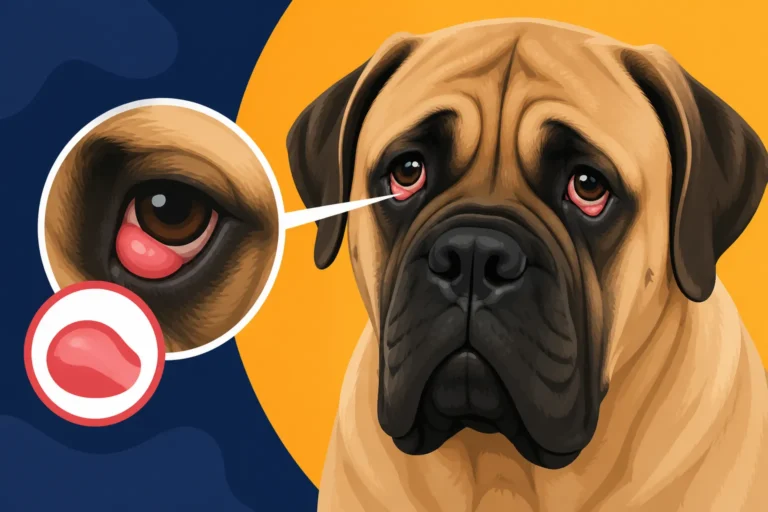
If your vet identifies anything unusual or if your Mastiff starts exhibiting concerning signs of vision impairment, they will likely recommend a referral to a board-certified veterinary ophthalmologist. These specialists can conduct more in-depth diagnostics, pinpoint the exact nature of the problem, and recommend appropriate treatment plans, whether it's medication, surgery, or simply management strategies. Conditions like Cherry Eye in a Mastiff or entropion may require surgical correction, and an ophthalmologist is best equipped to perform these delicate procedures. Don't underestimate the value of these regular check-ups in catching issues before they escalate.
Supporting a Mastiff with Impaired Vision
Discovering your Mastiff is losing its sight, whether from an inherited condition or age-related changes, can be heartbreaking. However, dogs are remarkably adaptable, and with your support, a Mastiff with impaired vision can still lead a full and happy life.
- Maintain Consistency: Keep furniture and belongings in consistent places to create a predictable environment your dog can navigate by memory.
- Use Scent and Sound Cues: Rely more heavily on verbal commands and incorporate specific scents for key areas, like a particular essential oil near their bed or water bowl.
- Safety First: Block off dangerous areas like pools or stairs, and ensure gates are secure. When walking, keep them on a leash and avoid busy, unpredictable environments.
- Gentle Touch: Always approach your visually impaired Mastiff with a gentle voice and touch to avoid startling them.
- Routines: Stick to consistent daily routines for feeding, potty breaks, and playtime to help them feel secure.
While a Mastiff goes fully blind from PRA, it's a gradual process, allowing them time to adjust. Even if they lose all their sight, their other senses, particularly smell and hearing, become incredibly heightened. Your Mastiff still loves you fiercely and thrives on your companionship. Patience, consistency, and a deep well of empathy will be your greatest tools in supporting your gentle giant through this journey.
Comparative Overview of Common Inherited Mastiff Eye Conditions
To further clarify the common inherited eye conditions found in Mastiffs and highlight the importance of the puppy eye exam, here is a comparative table.
| Condition | Type of Issue | Typical Onset Age (Symptoms) | Severity | Genetic Test Available? | Why Puppy Exam is Crucial |
|---|---|---|---|---|---|
| Progressive Retinal Atrophy (PRA) | Retinal Degeneration | Later in life (2-6+ years) | Severe, leads to blindness | Yes | Identifies carriers/affected parents; early clinical signs rare in puppies but genetic status is key |
| Canine Multifocal Retinopathy (CMR1) | Retinal Lesions/Detachment | Early (8-16 weeks) | Mild to Moderate | Yes | Detects retinal lesions before they might be noticed by an owner; confirms genetic status |
| Entropion (Inward Rolling Eyelid) | Eyelid Structure | Early (puppyhood) | Mild to Severe | No (but hereditary) | Diagnoses condition to prevent chronic irritation, pain, and potential corneal damage |
| Ectropion (Outward Rolling Eyelid) | Eyelid Structure | Early (puppyhood) | Mild to Moderate | No (but hereditary) | Identifies condition to prevent chronic dryness, irritation, and infections |
| Retinal Folds (often benign) | Retinal Development Anomaly | Early (puppyhood) | Usually Mild | No | Differentiates benign folds from those indicative of more serious issues or requiring monitoring |
| Persistent Pupillary Membranes (PPMs) | Fetal Vessel Remnants | Congenital (birth) | Usually Mild to Moderate | No | Detects strands that may interfere with vision, allowing for monitoring or rare intervention |
Disclaimer
The information provided in this article is intended for general informational purposes only and does not constitute veterinary medical advice. Always consult with a qualified, board-certified veterinary ophthalmologist or your primary veterinarian for any health concerns or before making any decisions about your Mastiff's medical care or breeding practices.