How Long Lyme Hall Bred Mastiffs
For anyone looking into the magnificent history of the Mastiff breed, the name Lyme Hall often surfaces as a cornerstone, a testament to centuries of dedicated preservation. But how long did this venerable English estate actually maintain its celebrated line of Mastiffs? The question isn't just about a simple timeline; it delves into the very essence of breed continuity, aristocratic patronage, and the painstaking efforts required to safeguard a living legacy through generations of societal upheaval. This guide explores the remarkable duration of Lyme Hall's involvement with the Mastiff, shedding light on the family's unwavering commitment and the profound impact they had on the breed we know today.
The Enduring Legacy of Lyme Hall and the Mastiff Breed
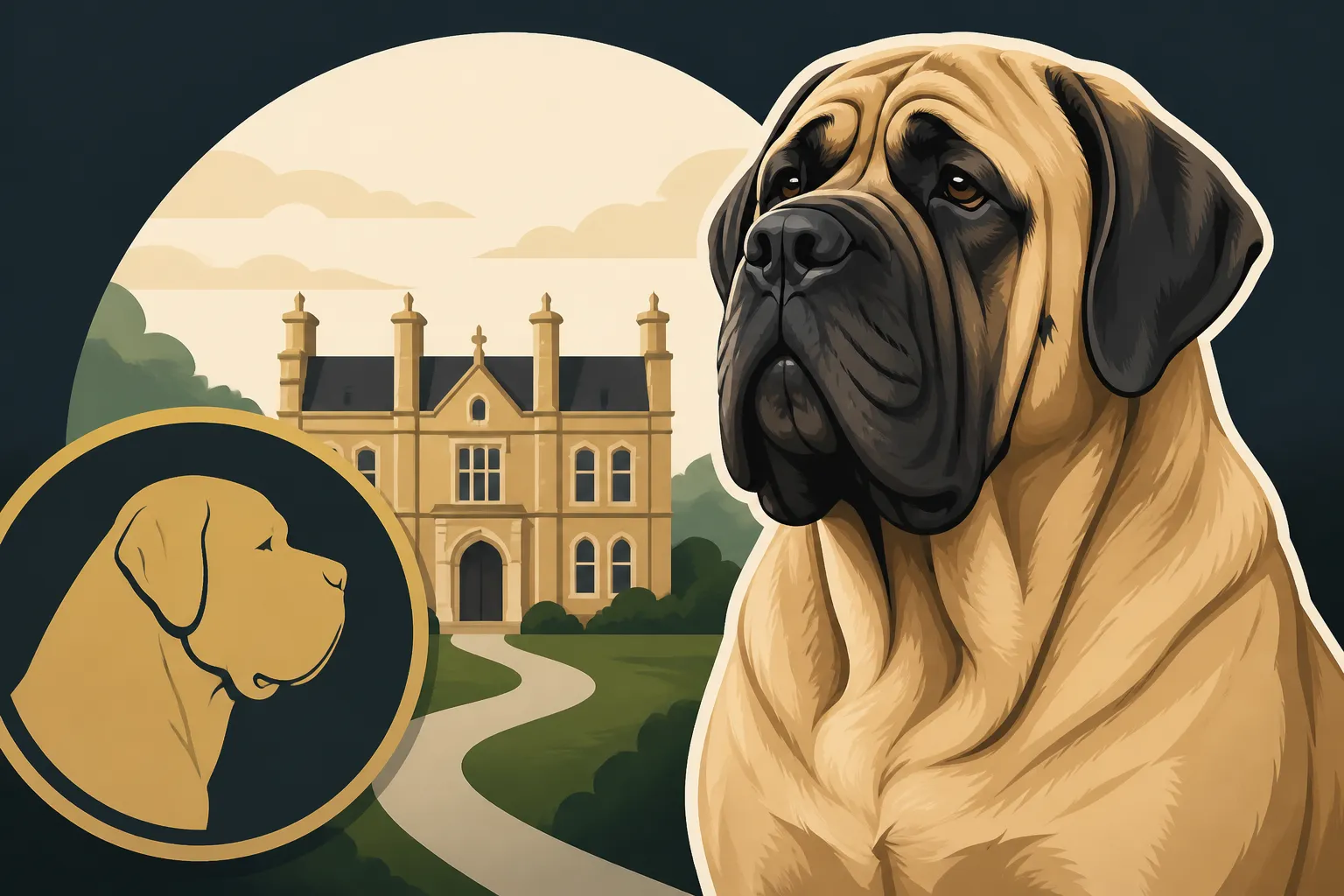
The story of the Mastiff, particularly in England, is inextricably linked with the landed gentry and their grand estates. Among these, Lyme Hall stands out, not merely as a beautiful historic house in Cheshire, but as a legendary center for the preservation of the Mastiff breed. The sheer length of their documented involvement with these magnificent dogs is unparalleled, demonstrating a dedication that spanned centuries and survived periods when other breeds, and even other noble lines, faltered.
Tracing the Ancient Lineage to Lyme Hall
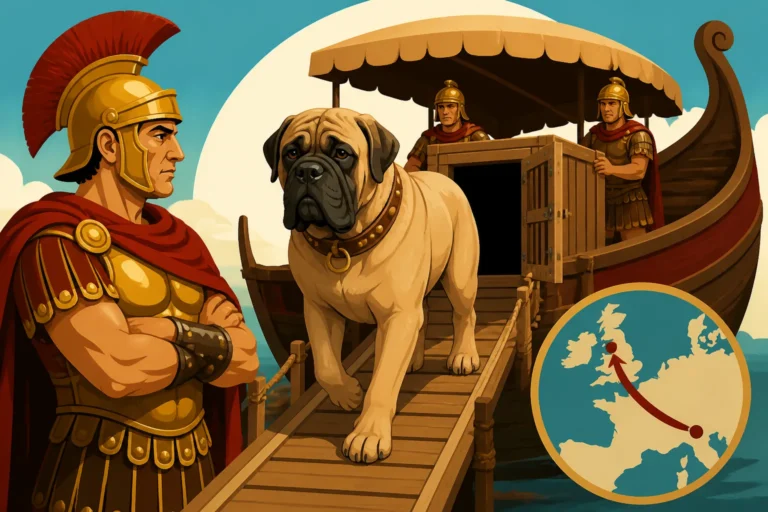
To understand the depth of Lyme Hall's connection, we must first appreciate the ancient roots of the Mastiff itself. These dogs are descendants of the Molossus type dogs, massive canines used by ancient civilizations for war, guarding, and hunting large game. When the Romans arrived in Britain, they were reportedly impressed by the formidable local dogs, which some scholars believe were early progenitors of the Mastiff. Over centuries, these powerful dogs evolved within Britain, becoming known as "bandogs" or "Mastiffs," primarily utilized for guarding estates and livestock.
The Legh family of Lyme Hall, whose lineage traces back to the 14th century, acquired their estate in 1388. It's believed that they began keeping Mastiffs shortly thereafter, perhaps even continuing a tradition that predated their ownership. The family’s enduring presence on the estate provided the stability necessary for a consistent breeding program. Unlike many other kennels that rose and fell with changing fortunes or individual enthusiasms, the Legh family's long-term stewardship created an unbroken line, a living piece of history walking on four paws. Their commitment ensured that the genetic material and the distinctive characteristics of their Mastiffs were carefully maintained, even as other strains might have been lost to time or mixed with other types of dogs.
The Importance of a Consistent Breeding Program
In the days before formal breed clubs and widespread written pedigrees, a sustained breeding program by a dedicated family like the Leghs was absolutely crucial for the survival and definition of a breed. They weren't just keeping dogs; they were guardians of a genetic heritage. Their consistent approach meant that desirable traits were reinforced, and the temperament, size, and appearance that defined the Mastiff became entrenched within their lines. This wasn't merely about personal preference; it was about upholding a standard long before such standards were officially codified.
The continuity offered by Lyme Hall allowed for generations of natural selection, guided by the family's needs and preferences. Over time, this fostered a specific type of Mastiff—one renowned for its gentle disposition with its owners, its imposing size, and its unwavering loyalty. The knowledge and experience passed down through generations of Leghs, their gamekeepers, and their staff contributed to an unparalleled understanding of the Mastiff. They understood their health needs, their feeding requirements, and their protective instincts, preserving not just the dogs, but also the practical wisdom of living with and breeding these giants. Their meticulous (though informal by today's standards) breeding practices ensured that when the breed faced peril, as it would during wars and economic hardships, a strong, identifiable foundation still existed.
A Glimpse into Lyme Hall's Breeding Practices
While no detailed studbooks from the earliest centuries survive, we can infer a great deal about the breeding practices at Lyme Hall from the historical context of aristocratic estates and the eventual records that did emerge. Their practices, though perhaps less scientific than today's, were certainly driven by purpose and observation.
The Keepers of the Breed: Family and Staff
The Legh family themselves, as patrons, would have set the overall vision for their Mastiff line. They valued specific traits, undoubtedly including guarding capability, loyalty, and an impressive physical presence. However, the day-to-day work of raising and breeding the dogs would have largely fallen to the estate's staff—the gamekeepers, kennelmen, and other household members. These individuals often lived on the estate for their entire lives, sometimes with their own families, accumulating generations of practical knowledge about the dogs.
Imagine a gamekeeper whose grandfather and father before him had tended the Mastiffs of Lyme. This continuity of care, hand-me-down wisdom, and deep familiarity with individual dogs and their bloodlines would have been invaluable. They would have known which male paired well with which female, which puppies inherited the best temperaments, and which lines were particularly robust or prone to certain issues. This informal, yet highly effective, system of knowledge transfer was a hallmark of long-standing aristocratic kennels. They were not just breeding dogs; they were cultivating a family asset, a symbol of their status, and a vital part of the estate's security.
The Selective Process for Maintaining Purity
Even without DNA tests or formal registries, the concept of maintaining a "pure" line was understood and highly valued. The Mastiffs at Lyme Hall were a distinct strain, and the Legh family would have been careful to prevent accidental cross-breeding with other types of dogs, such as hunting hounds or smaller farm dogs. This selective process was primarily visual and observational, focusing on maintaining the massive size, broad head, deep chest, and steady temperament characteristic of their Mastiffs.
Furthermore, selection would have been for functional traits. These dogs were expected to guard the estate, deter poachers, and provide a formidable presence. Dogs that were overly aggressive, timid, or lacked the imposing physique would likely not have been chosen for breeding. The enclosed nature of a large estate also naturally limited the pool of potential mates, favoring internal breeding lines or carefully chosen outside dogs from similar, reputable sources, if any were available. This deliberate selection, repeated over centuries, is precisely How Lyme Hall Mastiffs Appear in Modern Pedigrees and why their bloodline became so influential.
Documenting the Centuries of Dedication
The actual duration of Lyme Hall's continuous Mastiff breeding is truly astonishing, a timeline that stretches across pivotal moments in English history. While pinpointing an exact start and end date for a continuous "breeding program" in the modern sense is challenging, the family's association with Mastiffs is well-documented for a significant period.
Historical Records and Their Challenges
Records from before the 19th century are often sparse and less detailed than what we'd expect today. However, there are numerous mentions and depictions of Mastiffs at Lyme Hall across centuries. For instance, the famous painting "The Mastiffs of Lyme Hall" by Sir Edwin Landseer, painted in 1829, clearly shows these magnificent animals within the estate's context, confirming their prominent presence in the early 19th century. Earlier accounts, though less visual, consistently link the Legh family with large guarding dogs. This long-standing tradition wasn't just anecdotal; it was part of the estate's identity.
One of the challenges in documenting precise breeding duration is the lack of formal records until much later. Unlike modern breeders who register every litter and every dog with kennel clubs, the Leghs were simply maintaining their family dogs. Their "records" might have been informal notes, family anecdotes, or simply the living presence of their dogs on the estate generation after generation. However, the consistent stories and artistic representations serve as strong evidence of continuous ownership and breeding over an impressive span. This commitment, far from being a passing fad, was deeply ingrained in the fabric of Lyme Hall.
Early Pedigrees and Lineage Tracking
While formal pedigrees as we understand them today didn't exist for the earliest centuries, the family would have had a strong sense of lineage. They knew which dogs were related, which produced desirable offspring, and which lines were most stable. By the mid-19th century, as interest in dog breeding began to formalize with the advent of dog shows and kennel clubs, the Mastiffs of Lyme Hall gained even greater prominence. It was around this time that more structured pedigrees began to be kept, and the Lyme Hall strain became a celebrated foundation for the modern Mastiff breed.
One of the most significant figures was Bill George (1802-1881), a London dog dealer and breeder who was instrumental in the revival of the Mastiff breed. He actively sought out and acquired Mastiffs from old family lines, including those from Lyme Hall, recognizing their historical purity and quality. Dogs tracing their lineage back to Lyme Hall were highly prized and formed a crucial part of the genetic pool used to reconstruct and standardize the breed in the late 19th century. This shows that the Lyme Hall strain was still very much active and recognizable, capable of contributing significantly to the breed's future.
The Decline and Resurgence: After Lyme Hall's Direct Involvement
While the Legh family's influence was monumental and their association with Mastiffs long-lasting, direct breeding at Lyme Hall eventually ceased or became less prominent. However, their legacy was far from over.
The Impact of Changing Times on Aristocratic Kennels
The 19th and early 20th centuries brought significant changes to British society. The rise of the middle class, economic shifts, and two World Wars profoundly impacted aristocratic estates. Maintaining large kennels, especially of giant breeds like the Mastiff, became increasingly expensive and logistically challenging. Many old family kennels, once pillars of specific breeds, found it difficult to continue their extensive operations. The sheer cost of What Feeding a Two Hundred Pound Mastiff Costs a Month or managing a large number of them would have been a factor, as would staffing and space.
It's believed that the direct, continuous breeding program at Lyme Hall as a major source for the breed gradually wound down in the late 19th or early 20th century. While the family may have continued to keep a few personal Mastiffs, the era of Lyme Hall as a primary breeding center for the wider Mastiff world largely concluded. This was a common trajectory for many such private kennels across various breeds, as dog breeding transitioned from an aristocratic pastime to a more formalized hobby and profession. However, the quality of their stock had already left an indelible mark.
Carrying the Torch: Breeders Who Followed
Even as Lyme Hall's direct involvement receded, the strain they had so carefully cultivated continued to thrive through other dedicated breeders. Individuals and new kennels, often inspired by the history and quality of the Lyme Hall Mastiffs, took up the mantle. They used dogs descended from the Lyme Hall lines to establish their own breeding programs, ensuring the characteristics honed over centuries were not lost. This was especially vital during challenging periods, such as the two World Wars when Fewer Than Twenty Mastiffs Survived the Second World War in Britain, almost leading to the breed's extinction.
Breeders, both in Britain and later in North America, carefully sought out and preserved these lines. The resilience of the Mastiff, even in the face of such adversity, is a testament to the strong genetic foundation laid by centuries of careful breeding, with Lyme Hall playing a pivotal role. The dedication of these subsequent breeders, who cherished and propagated the qualities of the Lyme Hall strain, ensured that the Mastiff breed not only survived but eventually flourished again.
The Lasting Influence of the Lyme Hall Strain
Though Lyme Hall's active breeding program may have ceased well over a century ago, its impact on the Mastiff breed is still felt today. The name "Lyme Hall" itself evokes a sense of history, purity, and a foundational quality that breeders continue to reference and respect.
Genetic Contributions to the Modern Mastiff
The Mastiffs of Lyme Hall contributed significantly to the genetic makeup of the modern Mastiff. Their characteristics—the massive bone, deep muzzle, substantial body, and generally stable temperament—became the blueprint for the breed standard. When early Mastiff fanciers gathered to define what a Mastiff should be, they looked to exemplary specimens, many of which traced their ancestry back to the Lyme Hall line. These dogs represented the ideal, the result of centuries of selective breeding.
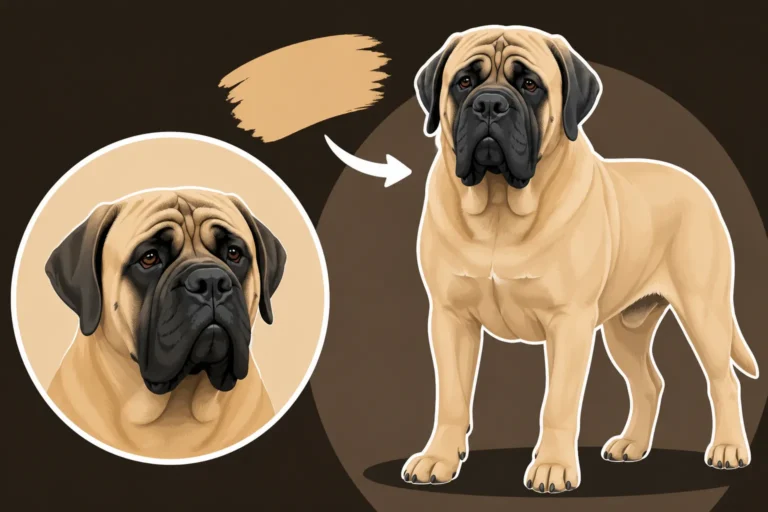
Consider the physical attributes often cited in the breed standard: the broad, massive skull, the deep stop, the powerful neck, and the impressive substance. These were the hallmarks of the Lyme Hall Mastiffs. Their genetic legacy provided the robust framework upon which the modern breed was built, ensuring that traits like size and type were consistently passed down. Without this profound genetic contribution, it is quite possible that the Mastiff breed might have developed very differently, or indeed, might not have survived at all in its recognizable form. When looking at health considerations for the breed, such as Elbow Dysplasia Affects One Mastiff in Seven, understanding these foundational lines is crucial for responsible breeding today.
The "Lyme Hall" Name in Contemporary Pedigrees
Even today, the name "Lyme Hall" carries significant weight in Mastiff circles. While direct descendants from the actual estate are long gone, the influence of their lines is present in countless pedigrees. Breeders often pride themselves on dogs whose ancestry can be traced back to the foundational Mastiffs of that era, many of whom carried the "Lyme Hall" blood. It's a badge of honor, signifying a connection to the breed's historical roots and its purest forms.
The reverence for the Lyme Hall strain reminds us of the long view required in responsible breeding. It teaches us that consistency, careful selection, and a deep understanding of the breed are paramount. While modern breeders use DNA tests and health clearances like The Four CHIC Tests a Mastiff Breeder Must Clear, the underlying principle of preserving and improving the breed remains the same as it was for the Legh family. The historical impact of Lyme Hall is not just a footnote; it's a foundational chapter in the ongoing story of the Mastiff, reminding us that truly great breeds are built on enduring dedication. Even if you're shopping for supplies for your modern Mastiff from a place like Chewy, it's a connection to a long line of dedicated care for these magnificent animals.
| Period | Estimated Involvement | Key Aspects | Influence |
|---|---|---|---|
| 14th-18th Century | Consistent ownership and private breeding | Guarding estate, informal selection, family tradition | Established core Mastiff type and temperament |
| Early 19th Century | Prominent, well-known breeding center | Artistic representation (Landseer), recognized strain | Acknowledged as a source of pure Mastiff lines |
| Mid-Late 19th Century | Major contributor to breed revival and standardization | Bloodlines used by key founders (e.g., Bill George) | Formed the genetic foundation of the modern Mastiff |
| Early 20th Century | Direct breeding likely wound down or became minor | Shifting societal dynamics, economic pressures | Legacy continued through descendant kennels |
| Mid-20th Century – Present | Historical reference, genetic influence via pedigrees | Pedigree tracing, breed standard based on their type | Ongoing respect for foundational quality and purity |
Disclaimer
This article is for general informational purposes only and does not constitute professional advice. Laws, prices and regulations vary by location and change over time. Consult a qualified professional for guidance on your specific situation.