Whether a Mastiff’s Ears Need Cleaning
As a Mastiff owner, you quickly learn that caring for these magnificent giants is a unique journey, filled with incredible love but also very specific challenges. One common question that often comes up, especially for new Mastiff parents, is about ear cleaning. It's not always obvious, and sometimes, you might even think you're doing okay until a tell-tale odor or head shake makes you wonder. This guide is here to walk you through exactly why and how to care for your Mastiff's ears, so you can prevent discomfort and those costly, frustrating vet visits.
Understanding Mastiff Ear Anatomy and Why Cleaning is Important
Unlike some breeds with pricked, open ears that allow for ample airflow, our beloved Mastiffs typically have drop ears. These ears, with their heavy leather (the floppy part of the ear), hang down, covering the ear canal. This design, while undeniably charming and contributing to that classic Mastiff look we adore, also creates a warm, dark, and often humid environment deep within the ear canal. It’s like a little tropical paradise for yeast and bacteria, which can thrive in such conditions.
The Perfect Breeding Ground for Trouble
Think about it: moisture gets trapped, warmth from the body maintains an ideal temperature, and darkness provides cover. This trifecta is exactly what opportunistic microbes love. Without proper airflow, any moisture from bathing, swimming, or even just humidity in the air can become trapped. This isn't just a minor annoyance; it’s a recipe for inflammation and infection. We're talking about things like otitis externa, a common and uncomfortable inflammation of the outer ear canal that can quickly turn into a full-blown bacterial or yeast infection.
Wax, Debris, and Foreign Invaders
Beyond the environmental factors, Mastiff ears are also susceptible to accumulating ear wax. All dogs produce wax, but in a closed, moist environment, this wax can build up faster and become a sticky trap for dirt, dust, and even tiny foreign bodies like grass seeds. Imagine a tiny piece of debris getting lodged deep in the ear, causing irritation and potentially puncturing the eardrum. It's a painful scenario that's entirely preventable with regular checks and appropriate cleaning. Early intervention is always better than waiting for a full-blown crisis, which can escalate quickly in a dog as large and stoic as a Mastiff, making treatment more complex and often more expensive. You might think, "My Mastiff is big, surely they can handle a little dirt," but their anatomy actually makes them more vulnerable, not less.
Recognizing the Signs of Ear Issues in Your Mastiff
Mastiffs are often described as stoic, which can be both a blessing and a curse. They don't always complain loudly about discomfort until it's quite advanced. This means you, their vigilant owner, need to be extra aware of subtle changes that might signal an ear problem brewing. Don't wait for your gentle giant to howl in pain; learn to spot the early warning signs. Catching an issue quickly can save your Mastiff a lot of misery and save you a significant vet bill.
What to Look, Smell, and Feel For
The first thing to do is to get comfortable regularly inspecting your Mastiff's ears. Lift that heavy ear leather and take a good look and a sniff. A healthy Mastiff ear should be a pale pink color, relatively clean, and have a very faint, almost neutral smell. If you notice any of the following, it's time to pay closer attention:
- Redness or Swelling: The inside flap of the ear, or deeper in the canal, might look irritated.
- Discharge: This can vary. It might be black and crumbly (often yeast or ear mites), yellowish-brown and waxy, or pus-like and green. Any discharge that isn't minimal and clear is a red flag.
- Unpleasant Odor: This is one of the most common and earliest signs. A strong, yeasty, sweet, or foul smell emanating from the ear is a definite indicator of trouble. This is why Whether a Mastiff Has a Doggy Odor is sometimes linked to poor ear health, as an infection can contribute significantly to their scent.
- Excessive Scratching or Pawing at the Ears: Your Mastiff might be trying to relieve an itch or pain.
- Head Shaking or Tilting: If your Mastiff is shaking their head more than usual, or consistently tilting it to one side, it could be a sign of discomfort in that ear.
- Rubbing Ears on Furniture or the Floor: Another way they try to scratch an unreachable itch.
- Sensitivity or Pain When Touched: If your Mastiff recoils, whines, or shows aggression when you try to examine their ear, it's likely painful.
- Changes in Behavior: Lethargy, loss of appetite, or general irritability can sometimes be linked to the discomfort of an ear infection.
When to Consult Your Veterinarian
It's important to differentiate between routine cleaning needs and an actual infection requiring medical attention. If you see any of the more severe signs like strong odor, pus-like discharge, extreme redness, swelling, or if your Mastiff is clearly in pain, do not try to treat it yourself with home remedies. You could make things worse or mask a serious problem. It’s time for a vet visit. They can properly diagnose the type of infection (bacterial, yeast, mites, etc.) and prescribe the correct medication. Sometimes, an ear problem can even be a symptom of a larger issue like Hypothyroidism in a Mastiff or Whether a Mastiff Gets Skin Allergies, so a professional diagnosis is crucial. Remember, while you might be tempted to save money by guessing, a misdiagnosed or poorly treated ear infection can become chronic, leading to severe pain and even hearing loss for your gentle giant.
The Proper Way to Clean Your Mastiff's Ears (And When Not To)
Once you've ruled out an active infection that requires veterinary attention, regular ear cleaning can become part of your Mastiff's routine care. It's not a complicated process, but doing it correctly is vital to avoid causing irritation or pushing debris further into the ear canal. Getting your Mastiff comfortable with ear handling from a young age is key; this large breed is known for its sensitivity, as highlighted in The Sensitivity Nobody Expects in a Two Hundred Pound Mastiff.
Essential Supplies for Ear Cleaning
Before you begin, gather your tools. Having everything ready will make the process smoother, especially when working with a large dog who might not be thrilled about having their ears fiddled with.
- Veterinary-Approved Ear Cleaner: This is non-negotiable. Do not use hydrogen peroxide, rubbing alcohol, or witch hazel, as these can be irritating or drying to the delicate skin of the ear canal. Look for gentle, pH-balanced solutions specifically designed for canine ears. Many excellent options are available from reputable pet supply retailers like Chewy or Amazon. Make sure it's non-stinging.
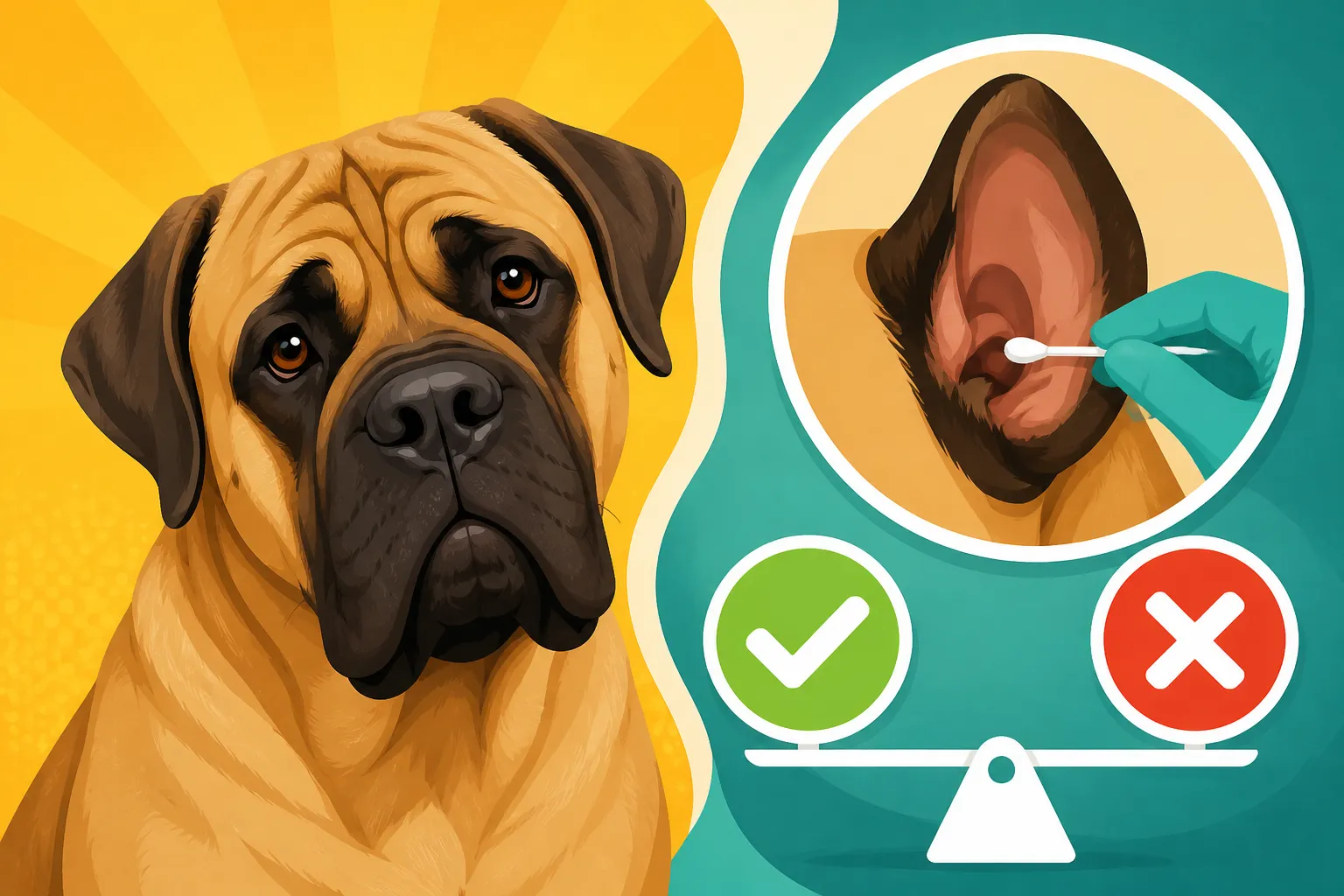
- Cotton Balls or Gauze Pads: You'll need plenty. Avoid cotton swabs (Q-tips) as they can push debris deeper into the ear canal and potentially damage the eardrum.
- Treats! Positive reinforcement is your best friend, especially with a Mastiff.
Step-by-Step Ear Cleaning Process
- Find a Calm Environment: Choose a quiet space where your Mastiff feels comfortable and you have good lighting. Having another person to help hold your Mastiff steady and offer treats can be incredibly beneficial.
- Examine the Ear: Gently lift the ear flap. Take a moment to look for any redness, swelling, discharge, or foul odors. If you spot anything concerning, as discussed in the previous section, stop and consult your vet.
- Apply the Cleaner: Hold the ear flap up and open the bottle of ear cleaner. Carefully squirt a generous amount of the solution directly into the ear canal until it's full. Don't be shy; you want to flush the canal.
- Massage the Base of the Ear: This is the crucial step. With the solution in the ear, gently but firmly massage the base of your Mastiff's ear (the part below the ear opening) for about 20-30 seconds. You should hear a squishing sound, which means the cleaner is working its way through the canal and breaking up wax and debris.
- Allow Your Mastiff to Shake Their Head: Stand back! After massaging, let your Mastiff shake their head. This action helps to dislodge and bring up the loosened wax and cleaner. It's messy, so be prepared with a towel. This is part of What a Mastiff Needs Every Day – a little mess, a lot of love.
- Wipe the Visible Parts: Take a fresh cotton ball or gauze pad and gently wipe away any discharge, wax, and cleaner from the visible parts of the ear canal and the underside of the ear flap. Continue using fresh cotton until no more visible dirt comes out. Remember, only wipe what you can see. Never insert anything deep into the ear canal.
- Repeat for the Other Ear: Follow the same steps for the second ear, using fresh cotton balls and cleaner.
- Reward Generously: Once both ears are done, praise your Mastiff profusely and offer those high-value treats. Make it a positive experience so they associate ear cleaning with good things.
Frequency and Important Caveats
How often should you clean your Mastiff's ears? This varies. For many Mastiffs with healthy ears, a cleaning every 2-4 weeks is sufficient. If your Mastiff is prone to ear issues, swims frequently, or lives in a humid climate, you might need to clean them weekly. If you have an older Mastiff, you might find their ears need more frequent attention as part of Caring for a Mastiff Past Five. However, if your Mastiff's ears are consistently clean and healthy, don't over-clean them, as this can strip the natural protective oils and cause irritation. If you're ever unsure about the frequency or the appearance of your Mastiff's ears, always check with your veterinarian.
Preventative Measures and Long-Term Ear Health for Your Mastiff
Proactive care is always better than reactive treatment, especially when it comes to the health of your giant breed. Establishing good habits and understanding the factors that contribute to ear health can significantly reduce the incidence of painful and costly ear infections for your Mastiff. This isn't just about cleaning; it's about a holistic approach to their well-being.
Regular Checks and Inspections
The simplest and most effective preventative measure is consistent vigilance. Make it a habit to lift your Mastiff's ear flaps and visually inspect their ears every few days, or at least once a week. This allows you to catch any changes – slight redness, a faint odor, or increased wax – before they escalate. It's part of What a Mastiff Needs Every Day. Getting them used to this routine from a young age makes it much easier as they grow into their imposing size. A quick sniff and peek only takes a few seconds but can save you a lot of trouble down the line.
Managing Moisture and Humidity
Moisture is the arch-nemesis of a Mastiff's ear canal. After baths, make sure to thoroughly dry the inside of their ear flaps and the opening of the ear canal. You can use a soft towel or even a low-setting hairdryer (held at a safe distance and never directed into the ear canal) to ensure there's no lingering dampness. If your Mastiff loves to swim, consider placing cotton balls gently in their ears before they go for a dip to act as a barrier, removing them immediately afterward and then following up with an ear-drying solution specifically designed to wick away moisture. These drying solutions can often be found at online pet stores like Chewy or Amazon.
Grooming and Hair Management
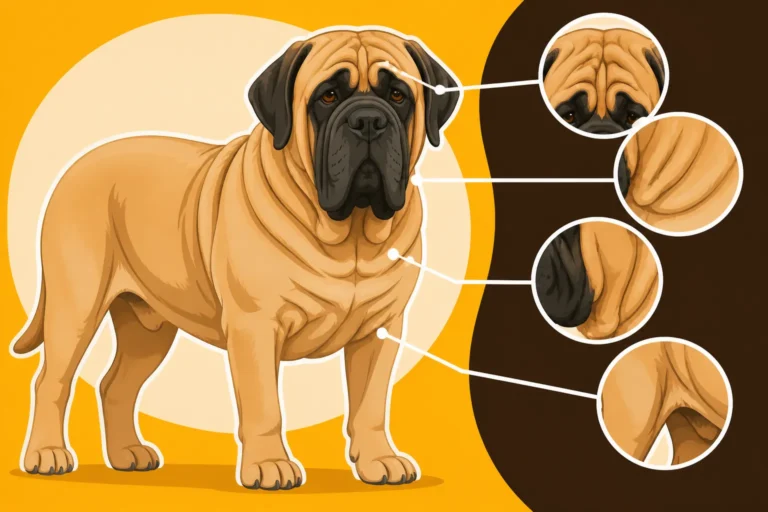
While Mastiffs don't have long hair in their ear canals like some breeds (think Poodles or Schnauzers), some individual Mastiffs might have more hair than others. Excessive hair around the ear opening can sometimes trap moisture and debris. If you notice this, a quick trim by a groomer or your vet can help improve airflow. However, this is less common for Mastiffs than for other breeds, so discuss it with a professional first. Proper grooming overall, including regular attention to areas like The Wrinkles and Folds a Mastiff Owner Cleans Every Week, contributes to their overall hygiene, which indirectly supports ear health.
Addressing Underlying Issues and Diet
Sometimes, chronic ear infections aren't just about trapped moisture or wax; they can be a symptom of an underlying health issue. Allergies are a huge culprit. If your Mastiff suffers from frequent ear infections, especially accompanied by itchy skin or paw licking, talk to your vet about potential food or environmental allergies. A change in diet might be recommended, for example, moving to a limited ingredient diet. Though less directly related to ear cleaning, overall health contributes to resilient immune function, which can help fight off opportunistic infections. Issues like Whether a Mastiff Gets Skin Allergies often manifest with ear problems. It's also worth discussing Why a Mastiff Is Dosed by Lean Weight and Not Scale Weight with your vet, as maintaining a lean weight helps overall health and reduces inflammation throughout the body.
When Professional Help is Necessary
Even with diligent home care, some Mastiffs will experience ear problems. If you're seeing persistent issues, repeated infections, or your Mastiff is showing severe pain, don't hesitate to seek professional veterinary care. They can perform a thorough otoscopic examination, take samples for cytology or culture, and recommend specific treatments. In some severe or chronic cases, a veterinary dermatologist might be recommended. Ignoring chronic ear problems can lead to more serious conditions, including permanent hearing loss or even necessitate expensive and complex surgeries. The costs associated with treating severe conditions are significant, as What a Mastiff's Weight Does to Every Line on the Vet Invoice illustrates, so early intervention truly is the best policy.
| Symptom | Possible Indication | Recommended Action |
|---|---|---|
| Faint odor, light wax | Normal accumulation, minor irritation | Routine cleaning as described |
| Redness, head shaking | Mild inflammation, early infection | Increase cleaning frequency, monitor closely |
| Strong odor, discharge | Active infection (yeast, bacterial) | Vet visit immediately |
| Pain, swelling, fever | Severe infection, foreign body, injury | Emergency vet visit |
| Chronic recurrence | Underlying allergy or systemic issue | Consult vet for comprehensive work-up |
Disclaimer
This article is for general informational purposes only and does not constitute professional advice. Laws, prices and regulations vary by location and change over time. Consult a qualified professional for guidance on your specific situation.