Whether a Mastiff Gets Skin Allergies
It's truly heartbreaking when your gentle giant starts scratching incessantly, creating red, angry patches on their beautiful coat. Many Mastiff owners find themselves in a frustrating cycle of itching, licking, and skin irritation that can make their big dog absolutely miserable. Skin allergies in Mastiffs are a real concern, and this guide is here to walk you through understanding, identifying, and effectively managing these frustrating conditions so your companion can find some much-needed relief.
Understanding Common Mastiff Skin Allergies
Mastiffs, with their distinctive loose skin and majestic size, are unfortunately not immune to the common woes of canine skin allergies. In fact, their unique physiology can sometimes make them even more susceptible or make symptoms more challenging to manage. Knowing what types of allergies typically affect them is the first step toward finding solutions.
Environmental Allergies Atopic Dermatitis
When we talk about environmental allergies in Mastiffs, we're usually referring to atopic dermatitis, or atopy. This is essentially an overreaction of the immune system to common environmental substances like pollen from trees, grasses, and weeds, dust mites hiding in your carpets and upholstery, or even mold spores that might be lurking in damp corners of your home. The frustration here is immense because these allergens are everywhere, and trying to eliminate them entirely feels like an impossible task. Your Mastiff isn't necessarily touching these things; they're inhaling them, and their body reacts by triggering an inflammatory response in the skin.
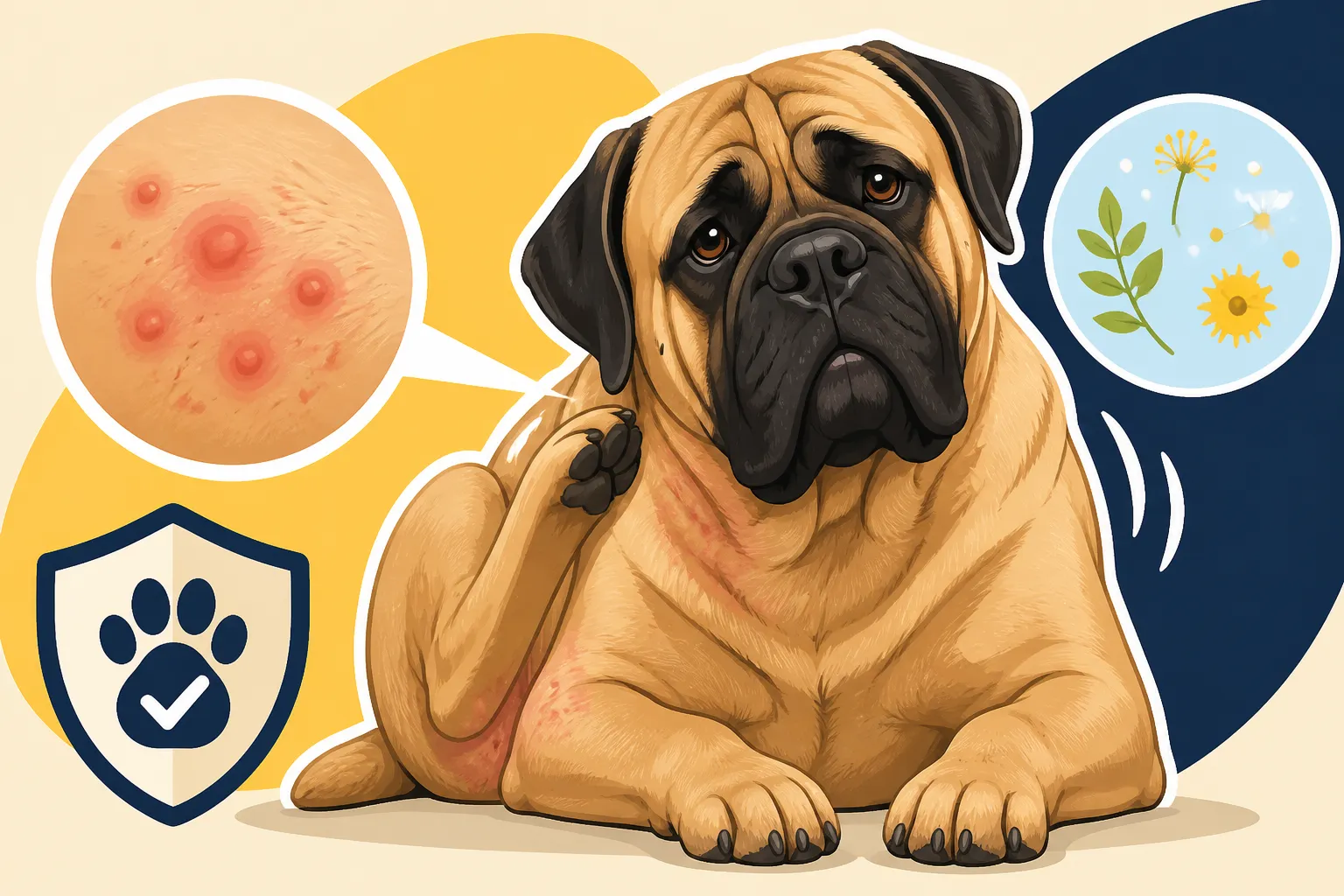
Unlike humans who might sneeze or get watery eyes, dogs with environmental allergies often show it through their skin. You'll see them chewing at their paws, rubbing their face on the carpet, or constantly scratching their sides and ears. The onset often has a seasonal pattern, flaring up when specific pollens are high, but for some Mastiffs, especially those sensitive to dust mites, it can be a year-round battle. The skin can become red, inflamed, and incredibly itchy, leading to a vicious cycle of scratching that further damages the skin barrier.
The loose skin and prominent folds that give Mastiffs their regal appearance can actually exacerbate atopic dermatitis. Allergens can become trapped within these folds, providing a constant source of irritation. This means that areas like their jowls, neck wrinkles, and even tail pockets are often hotspots for allergic reactions. Keeping these areas clean is absolutely critical, as we'll discuss later, to prevent the problem from spiraling into secondary infections.
Food Allergies and Sensitivities
Another major player in the world of Mastiff skin woes is food allergies or sensitivities. It’s easy to get these two terms confused, but the distinction can be important for diagnosis and treatment. A true food allergy involves an immune system response, often to a protein source, while a food sensitivity is more of a digestive issue that can still manifest with skin symptoms. The most common culprits in dogs are often proteins like beef, chicken, dairy, and sometimes wheat or soy, despite popular myths often blaming grains universally.
The signs of a food allergy can be very similar to environmental allergies: intense itching, redness, ear infections, and sometimes gastrointestinal upset like diarrhea or vomiting. The frustrating part about food allergies is that symptoms can appear at any age, even after years of eating the same food without issue. It's not always an immediate reaction; it can build up over time. Trying to pinpoint the exact ingredient can feel like detective work, requiring strict elimination diets and a whole lot of patience from you and your hungry Mastiff.
When considering dietary changes, you might find yourself browsing the extensive selection of specialized diets available from retailers like Chewy or Amazon. There are limited ingredient diets, novel protein diets (using proteins your dog hasn't eaten before, like venison or duck), and even hydrolyzed protein diets where the proteins are broken down so small that the immune system doesn't recognize them as allergens. The key is finding one your Mastiff tolerates and sticking with it religiously during an elimination trial, which can sometimes take weeks to show results.
Flea Allergy Dermatitis
Even in a world with effective flea preventatives, flea allergy dermatitis (FAD) remains a surprisingly common and incredibly irritating issue for many dogs, including Mastiffs. The problem isn't the number of fleas, but the allergic reaction to flea saliva. For a dog with FAD, just a single flea bite can trigger an intense, widespread allergic reaction that can last for days or even weeks. It’s truly remarkable how much misery one tiny bug can cause.
The symptoms of FAD typically include severe itching, redness, bumps, and scabs, often concentrated around the base of the tail, hindquarters, and inner thighs. Your Mastiff might chew or scratch relentlessly at these areas, leading to hair loss and secondary skin infections. Because Mastiffs have such thick coats, it can be easy to miss the fleas themselves, so you might only discover the issue when you see the tell-tale "flea dirt" (digested blood) on their skin or notice the intense scratching.
Preventing FAD is all about consistent and effective flea control, year-round. Don't wait until you see fleas to start treatment, especially if your Mastiff has a history of allergies. There are many excellent prescription and over-the-counter options available, from topical treatments to oral medications. Your veterinarian can help you choose the best product for your Mastiff's size and lifestyle, and you can often find these products conveniently through online pet supply stores.
Recognizing the Signs and Getting a Diagnosis
Identifying that your Mastiff has a skin problem is often the easy part; figuring out what exactly is causing it is where the real challenge lies. The visible symptoms can overlap across different types of allergies, making a proper veterinary diagnosis essential.
Visible Symptoms of Skin Allergies
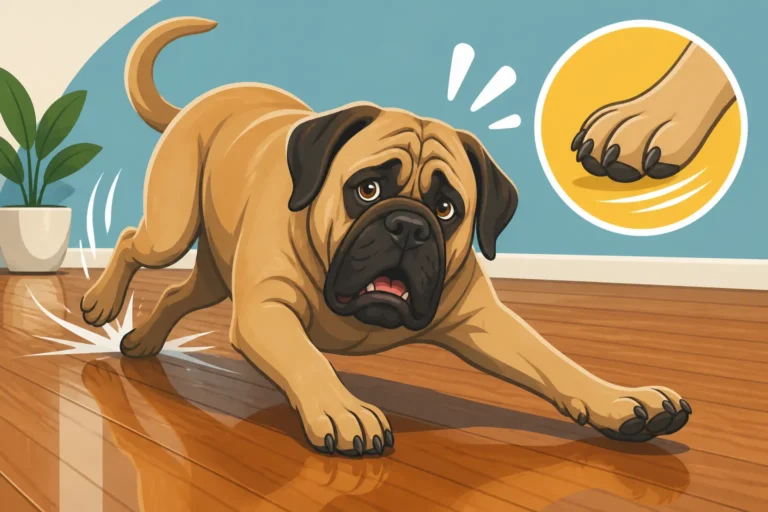
The most obvious sign that your Mastiff is suffering from skin allergies is, of course, itching, medically known as pruritus. This might manifest as relentless scratching with their hind legs, compulsive licking of their paws, or rubbing their face and body against furniture or the floor. Beyond the itching, you'll likely start to see visible changes to their skin and coat. Redness and inflammation are common, often appearing in areas like the armpits, groin, between their toes, and especially within those wonderful, deep facial and body folds.
Hair loss is another frequent symptom, resulting from the constant scratching, licking, and chewing. This can range from patchy thinning to significant bald spots, often accompanied by crusts or scabs on the irritated skin. You might also notice "hot spots," which are acutely inflamed, moist, and painful areas of skin that develop very quickly as a result of obsessive licking or chewing. These are particularly common in Mastiffs due to their size and the folds that can trap moisture and heat. Moreover, chronic allergies often lead to recurring ear infections, characterized by redness, discharge, and a foul odor in one or both ears, and paw chewing can lead to swollen, irritated paws. For more on localized skin issues, consider reading about Whether a Mastiff Gets Hot Spots.
It's truly frustrating to watch your beloved dog suffer, feeling helpless as they continue to scratch despite your best efforts. The sheer size of a Mastiff means that skin issues can be extensive and difficult to manage, making early identification and intervention all the more important. Pay close attention to subtle changes in their behavior, like an increase in grooming activities or a reluctance to be touched in certain areas.
The Diagnostic Process
Getting to the bottom of your Mastiff's skin allergies often involves a systematic approach from your veterinarian, as there isn't one single "allergy test" that definitively diagnoses everything. The journey can be long and sometimes feel expensive, but it's crucial for effective treatment. One of the first steps might be to rule out other common skin conditions, like parasitic infestations (mange mites, lice) or fungal infections. This often involves simple, in-office tests like skin scrapings and fungal cultures.
For suspected food allergies, your vet will likely recommend an elimination diet. This isn't just switching to a different kibble; it's a strict regimen where your Mastiff eats a novel protein or hydrolyzed protein diet exclusively for several weeks, often 8-12 weeks, with absolutely no other treats, table scraps, or flavored medications. If symptoms resolve during this period, your vet will then reintroduce old ingredients one by one to identify the culprit. This is where patience is truly a virtue, and sticking to the diet without cheating is paramount.
To diagnose environmental allergies (atopy), once other causes are ruled out, your vet might suggest allergy testing. There are two main types: blood tests (serum IgE testing) and intradermal skin testing. Intradermal testing, performed by a veterinary dermatologist, involves injecting small amounts of various allergens under the skin and observing the reaction. While blood tests are less invasive, intradermal testing is often considered the gold standard for accuracy in identifying specific environmental allergens, which can then be used to formulate allergen-specific immunotherapy (allergy shots or drops). It's a journey, but a necessary one to help your Mastiff.
Secondary Infections
One of the most unfortunate realities of skin allergies is that the constant itching and skin damage often lead to secondary infections, making your Mastiff even more uncomfortable. When the skin barrier is compromised by scratching and inflammation, it creates a perfect breeding ground for opportunistic bacteria (like Staphylococcus) and yeast (Malassezia). These infections then cause more itching, redness, and discomfort, trapping your Mastiff in a miserable cycle. You might notice a greasy coat, a strong, often yeasty odor, crusting, or pustules on the skin.
Because of their extensive skin folds, Mastiffs are particularly prone to these secondary infections. Moisture can get trapped in the folds, especially around the face, neck, and tail, creating warm, damp environments where bacteria and yeast thrive. You might even discover that your Mastiff's Whether a Mastiff's Fold Smells Yeasty or that their ear infections are a recurring nightmare. These infections are not the allergy itself but a consequence of the allergy, and they need to be treated alongside the underlying allergic condition to bring true relief.
Treating secondary infections typically involves a combination of antibiotics for bacterial infections, antifungal medications for yeast, and medicated shampoos or wipes to treat the skin directly. Your veterinarian will often take a cytology sample (looking at skin cells under a microscope) to identify the type of infection and guide the most effective treatment. Ignoring these secondary infections won't solve the underlying allergy, and can lead to a much more difficult and painful situation for your Mastiff. For advice on dealing with localized infections in their unique skin structure, you might find Whether a Mastiff's Fold Infection Needs Antibiotics helpful.
Managing and Treating Mastiff Skin Allergies
Once you have a diagnosis, the focus shifts to managing your Mastiff's allergies. This is often a multi-modal approach, combining various strategies to control symptoms, prevent secondary issues, and improve your dog's quality of life. There isn't usually a "cure" for allergies, but with consistent effort, your Mastiff can live comfortably.
Topical and Oral Medications
Managing the acute itch and inflammation is often the first priority. Your veterinarian has several tools at their disposal. For immediate relief and to break the itch-scratch cycle, short courses of corticosteroids might be prescribed. While highly effective, long-term steroid use can have side effects, so they're generally used sparingly. Newer, targeted medications like oclacitinib (Apoquel) and lokivetmab (Cytopoint) have revolutionized allergy management. Apoquel is an oral tablet that targets specific pathways involved in itching and inflammation, while Cytopoint is an injectable antibody therapy that works to neutralize a key itch-triggering protein. Both offer excellent relief with fewer systemic side effects than steroids, making them popular choices for chronic allergy management in Mastiffs.
Topical treatments also play a significant role, especially for localized flare-ups or to support overall skin health. Medicated shampoos, mousses, and sprays containing ingredients like chlorhexidine (antibacterial), miconazole (antifungal), or hydrocortisone (anti-inflammatory) can help soothe irritated skin and treat secondary infections. For the numerous skin folds a Mastiff possesses, specialized wipes are incredibly useful. You might find Whether a Medicated Wipe Suits a Mastiff's Wrinkles a good resource for choosing the right one. These can be particularly helpful in maintaining hygiene and reducing microbial load in those hard-to-reach, moist areas.
Working closely with your vet to find the right combination and dosage is crucial, especially with a large breed like a Mastiff. Medications for giant breeds often come with higher price tags due to the larger doses required, which is a frustration many Mastiff owners face. It's not just about stopping the itch; it's about doing so safely and effectively to give your Mastiff the best possible comfort without compromising their overall health.
Diet Management for Allergies
For Mastiffs with diagnosed food allergies or sensitivities, diet management is not just a treatment; it's a way of life. This means strictly adhering to a specific diet formulated to avoid the identified allergens. As mentioned before, limited ingredient diets, novel protein diets, or hydrolyzed protein diets are the go-to choices. These diets should be fed exclusively, which means absolutely no cheating with treats, human food, or even flavored supplements or medications unless approved by your vet. Even a tiny bite of an allergen can set back weeks of progress.
It's common for owners to initially feel overwhelmed by the strictness of these diets. Finding treats that fit the criteria can be a challenge, but many brands now offer single-ingredient treats (like dehydrated sweet potato or specific novel protein jerky) that can be safe options. Your vet might also recommend home-cooked meals, but these must be formulated by a veterinary nutritionist to ensure they are nutritionally complete and balanced for your Mastiff's enormous needs. You can find many specialized food options and treats from online retailers like Chewy or Amazon, making it a bit easier to maintain the strict dietary regimen.
Beyond strict allergy management, sometimes optimizing the general diet can also support skin health. While not a direct treatment for allergies, ensuring your Mastiff receives high-quality nutrition can bolster their immune system and skin barrier. Discussing supplements like omega-3 fatty acids (which have anti-inflammatory properties) with your vet can also be beneficial as part of a holistic approach to skin health. You can see how diet plays a critical role in other health aspects too, by checking out Whether Diet Alone Controls Mastiff Cystinuria.
Environmental Control for Atopy
For Mastiffs suffering from environmental allergies, minimizing exposure to allergens in their home environment can make a significant difference in managing their symptoms. While you can't eliminate pollen from the air outdoors, you can certainly reduce indoor allergens. Regularly vacuuming with a HEPA filter vacuum cleaner, washing your Mastiff's bedding weekly in hot water, and using allergen-proof covers on dog beds can help reduce dust mites. Air purifiers with HEPA filters can also be beneficial in capturing airborne allergens.
When your Mastiff comes inside after being outdoors, especially during peak pollen seasons, wiping down their coat and paws can help remove allergens before they're tracked through the house or absorbed by their skin. A damp cloth or a pet-specific wipe can work wonders for this. Pay particular attention to their facial folds and paws, as these are prime areas for pollen and other irritants to collect. The amount of dust and grime a Mastiff can collect in their deep skin folds is quite astounding, which is why routines like The Wrinkles and Folds a Mastiff Owner Cleans Every Week are so important.
Consider bathing your Mastiff more frequently with a gentle, hypoallergenic shampoo, particularly after outdoor exposure, to wash off allergens. However, be mindful not to over-bathe or use harsh products that could strip their skin's natural oils and further damage the skin barrier. Your veterinarian can recommend appropriate shampoos and bathing schedules. Even though these measures require consistent effort, they can significantly reduce the allergen load on your Mastiff's skin and bring them considerable relief.
Long-Term Care and Prevention Strategies
Living with a Mastiff that has skin allergies means committing to a long-term care plan. It's not about a quick fix, but about consistent management and proactive prevention to keep flare-ups at bay and ensure your gentle giant stays comfortable and happy.
Regular Grooming and Skin Care
Consistent grooming and specific skin care routines are paramount for Mastiffs prone to allergies. Their magnificent, loose skin and deep folds are beautiful but require diligent attention. Daily wiping of facial folds, especially around the eyes and mouth, with a gentle, pet-safe wipe can prevent moisture, food debris, and allergens from accumulating, which are all ingredients for infection. Neglecting these areas can quickly lead to irritation, odor, and secondary bacterial or yeast infections. You'll likely develop a routine very quickly, as outlined in How Often a Mastiff's Folds Need Cleaning.
Regular bathing, as recommended by your vet, with a hypoallergenic or medicated shampoo can help remove allergens, soothe irritated skin, and manage bacterial or yeast overgrowth. The sheer size of a Mastiff makes bathing a project, so investing in a good quality, non-slip mat for your tub or even utilizing a professional groomer with a large washing station can be invaluable. After bathing, it's critical to thoroughly dry all skin folds to prevent moisture-related issues. Remember, dampness is a friend to yeast and bacteria.
Beyond the folds, regular brushing, even for their short coat, helps remove loose hair, dander, and environmental allergens, keeping their coat and skin healthier. While Mastiffs might not need extensive brushing like some long-haired breeds, a soft bristle brush or a rubber curry comb can help stimulate circulation and distribute natural oils. These efforts contribute significantly to maintaining a healthy skin barrier, which is your Mastiff's first line of defense against allergens. Consider these tips for What a Mastiff's Skin Folds Are.
Supplements for Skin Health
While supplements aren't a cure for allergies, certain ones can play a supportive role in improving skin barrier function and reducing inflammation, working in conjunction with other treatments. Omega-3 fatty acids, particularly EPA and DHA found in fish oil, are widely recommended for their anti-inflammatory properties. They can help reduce the intensity of allergic reactions and improve the overall health of the skin and coat, leading to less dryness and flakiness. When purchasing, look for high-quality, vet-recommended fish oil supplements appropriate for your Mastiff's size.
Probiotics are another supplement that some veterinarians recommend. A healthy gut microbiome is increasingly linked to overall immune health, and by supporting digestive health, probiotics may indirectly help modulate the immune system and potentially reduce allergic responses. While more research is always ongoing in this area, many owners find them beneficial.
Always discuss any supplements with your veterinarian before introducing them, as they can interact with medications or not be appropriate for all Mastiffs. They can advise on proper dosages for a giant breed and recommend reputable brands. While we often focus on things like Joint Supplements for a Mastiff for our big dogs, skin health supplements are just as vital for their comfort. Many of these supplements, like fish oil or probiotics, are readily available from pet supply stores or online retailers.
Working with Your Veterinarian
Managing Mastiff skin allergies is undeniably a team effort between you and your veterinarian. This journey requires patience, persistence, and open communication. It's not uncommon for treatment plans to need adjustments over time, as allergies can change, or your Mastiff's response to medications might evolve. You'll need to report back on symptoms, side effects, and any improvements or worsening conditions. Don't be afraid to ask questions, voice your concerns, or seek clarification on any aspect of the treatment plan.
Regular follow-up appointments are essential, not just during acute flare-ups but also for long-term monitoring. Your vet might recommend routine rechecks to assess skin health, check for secondary infections, and adjust preventative measures. They can help you navigate the complexities of allergy management, from understanding test results to finding the most cost-effective long-term solutions for your specific Mastiff. Remember, veterinary medicine is continually advancing, and new treatments for allergies are always emerging.
Ultimately, your commitment to your Mastiff's care, combined with your vet's expertise, will be the key to managing their skin allergies effectively. It’s a marathon, not a sprint, but seeing your Mastiff finally comfortable, free from constant itching, is incredibly rewarding.
| Allergy Type | Common Triggers | Typical Symptoms | Diagnosis Methods | Primary Management Strategies |
|---|---|---|---|---|
| Atopic Dermatitis (Environmental) | Pollen, dust mites, mold spores | Itching, redness, paw licking, ear infections, facial rubbing | Intradermal skin test, serum IgE blood test | Antihistamines, Apoquel, Cytopoint, steroids (short-term), allergen immunotherapy, environmental control |
| Food Allergy/Sensitivity | Beef, chicken, dairy, specific grains, soy | Itching (often non-seasonal), gastrointestinal upset, recurrent ear infections | Strict elimination diet (novel protein/hydrolyzed protein) | Hypoallergenic diet, strict avoidance of allergens, specialized treats |
| Flea Allergy Dermatitis | Flea saliva | Intense itching, scabs, hair loss (especially near tail base and hindquarters), bumps | Identification of fleas/flea dirt, response to strict flea control | Consistent, year-round prescription flea prevention (oral or topical) |
Disclaimer
This article is for general informational purposes only and does not constitute professional advice. Laws, prices and regulations vary by location and change over time. Consult a qualified professional for guidance on your specific situation.