Why a Mastiff Stays on Three Meals Longer
It’s easy to look at a Mastiff puppy, all floppy ears and clumsy paws, and think that because they’re growing into such an enormous dog, they must need to eat like one right from the start. But here’s the thing: rushing a giant breed like a Mastiff onto a two-meal-a-day schedule too soon can actually set them up for a lifetime of health challenges. This guide will dive deep into why keeping your Mastiff puppy on three meals a day for an extended period isn't just a suggestion, but a crucial part of supporting their unique growth and long-term well-being.
The Unique Growth Trajectory of a Mastiff Puppy
Mastiffs are in a league of their own when it comes to growth. They don't just get big; they undergo an incredibly rapid and prolonged growth phase that demands a carefully managed approach to nutrition and feeding schedules. Understanding this unique trajectory is the first step in appreciating why their dietary needs, including the frequency of meals, differ significantly from smaller breeds.
More Than Just "Big": Understanding Giant Breed Development
When we talk about a Mastiff, we're discussing a dog that can easily reach weights exceeding 150-200 pounds, sometimes even more, and often won't finish filling out until they are two or three years old. This isn't just about gaining weight; it's about the massive development of bone, muscle, and organ systems. Unlike smaller breeds that might hit their adult size in 9-12 months, a Mastiff's skeletal system is still maturing, strengthening, and ossifying long after they've reached their full height. This extended development period means their nutritional requirements are distinct, focusing on controlled, steady growth rather than rapid gains. Think of it like building a skyscraper versus a cottage – the skyscraper needs a much longer, more deliberate construction phase with precise material delivery to ensure stability and longevity.
Attempting to accelerate this process with too much food, or too few large meals that overwhelm their digestive system, can have serious repercussions. The goal is a steady, almost deceptively slow weight gain that allows their massive frame to develop properly. This delicate balance is why specialized giant breed puppy foods exist, designed with specific protein, fat, and mineral ratios (especially calcium and phosphorus) to support this measured growth. The Feeding Chart a Mastiff Puppy Should Follow outlines these considerations.
The Dangers of Rapid Growth in Mastiffs
The primary reason for advocating a slower growth rate, facilitated by a three-meal-a-day schedule, is to mitigate the risk of developmental orthopedic diseases. Conditions like hip dysplasia and elbow dysplasia are unfortunately common in large and giant breeds, and while genetics play a significant role, environmental factors like diet and exercise during puppyhood are huge contributors.
When a Mastiff puppy grows too quickly, their bones, joints, and cartilage simply can't keep up with the accelerated weight gain. This disproportionate growth puts undue stress on immature joints, leading to malformation, inflammation, and pain. It's like asking a young sapling to support the weight of a mature oak – the structure isn't ready for it. Rapid growth often results from overfeeding, especially foods with too high a caloric density or incorrect calcium-to-phosphorus ratios. A study might show, for example, that puppies fed ad libitum (all they can eat) have a significantly higher incidence of hip dysplasia compared to their littermates fed a controlled, restricted diet. Why a Mastiff Puppy Must Grow Slowly delves into this in more detail, explaining that even a slightly overweight Mastiff puppy is at increased risk. The aim isn't to make them skinny, but to ensure they grow lean and strong, giving their immense frame the best possible chance to develop without strain.
Why Small Breeds Can Get Away With Two Meals Earlier
To truly understand the Mastiff's needs, it helps to contrast them with smaller breeds. A Chihuahua, for instance, reaches its adult size in under a year and often thrives on two meals a day from a relatively young age. Their digestive systems are smaller, their metabolic rates are different, and their skeletal development concludes much faster. The risk of overwhelming their system with a large meal is lower, and the sheer volume of food is manageable in two sittings.
However, for a Mastiff, trying to cram their daily caloric and nutritional needs into just two large meals creates several issues. Firstly, it places a heavier burden on their digestive system, increasing the risk of discomfort or inefficiency. Secondly, it could lead to fluctuations in blood sugar, and thirdly, it can contribute to that undesirable rapid growth we're trying to avoid. Their slow, deliberate growth cycle requires a consistent, measured intake of nutrients spread throughout the day to support their immense skeletal development without overtaxing their system. This is a critical distinction that often gets overlooked, leading well-meaning owners to unintentionally put their Mastiffs at risk.
Nutritional Demands and Blood Sugar Stability
Beyond just growth, feeding frequency for a Mastiff puppy is also deeply tied to their metabolism, digestive efficiency, and overall comfort. Spreading meals out across the day can make a huge difference in how they utilize nutrients and manage their energy levels.
Maintaining Stable Blood Sugar in a Growing Giant
Imagine eating a huge meal yourself and then trying to run a marathon – it's just not efficient, and you'd likely experience a sugar crash later. The same principle applies to a Mastiff puppy. These aren't tiny dogs with super-fast metabolisms that burn through food in a blink. Their large body mass means a substantial caloric intake is necessary, but providing it all in one or two huge dumps can lead to spikes and drops in blood sugar.
When a Mastiff puppy consumes a massive meal, their body processes a large influx of carbohydrates and nutrients all at once. This can lead to a quick rise in blood glucose, followed by a potential crash as their body works to normalize sugar levels. These fluctuations aren't just uncomfortable; they can affect a puppy's energy levels, mood, and even contribute to excessive weight gain if the body stores the rapid energy as fat. By breaking the daily food allowance into three smaller, more frequent meals, you're offering a steadier supply of glucose and nutrients. This helps maintain more consistent blood sugar levels, leading to more stable energy throughout the day, fewer hunger pangs, and a better ability to utilize the food for steady, healthy growth instead of just fat accumulation.
The Role of Digestibility and Nutrient Absorption
A Mastiff's digestive system, while robust, can be overwhelmed by enormous single meals. Think of it like a factory processing raw materials. If you send a manageable, steady flow of materials, the factory can efficiently sort, process, and produce. If you dump a mountain of materials all at once, the system gets bogged down, some materials might not be processed correctly, and waste increases.
Similarly, smaller, more frequent meals allow the Mastiff's stomach and intestines to work more efficiently. Their large stomach capacity means they can hold a lot of food, but that doesn't mean it's optimal for digestion and nutrient absorption. When a massive quantity of food enters the stomach, it takes longer to break down, and the digestive enzymes might not be able to act on everything optimally. This can lead to less efficient nutrient extraction and more waste. Spreading the meals out improves the surface area to volume ratio for enzyme action, allowing the body to absorb more vitamins, minerals, and proteins from each meal. This is especially important for critical nutrients like calcium and phosphorus, whose absorption needs to be carefully regulated for proper bone development in a giant breed. Utilizing tools like slow feeder bowls, easily found on Amazon or Chewy, can also aid in digestion by preventing frantic eating.
Preventing Gastric Distress with Smaller, More Frequent Meals
While the primary focus of this article is meal frequency for growth, it's impossible to talk about feeding large breeds without touching on gastric distress, particularly bloat (gastric dilation-volvulus, or GDV). While meal frequency alone isn't the sole cause or preventative measure for bloat, feeding smaller meals can contribute to overall gastric comfort and potentially reduce some risk factors.
Large meals, especially when consumed rapidly, can cause the stomach to distend excessively. While the exact causes of bloat are complex and multifaceted, stomach distension is a key component. Feeding three smaller meals instead of two larger ones can help prevent this extreme distension at any one time, allowing the stomach to process food more gradually and comfortably. This reduces the chances of a puppy feeling uncomfortably full, gassy, or experiencing regurgitation. It also might reduce the overall pressure within the abdomen. Of course, preventative measures like waiting to exercise after meals and choosing appropriate food are also crucial, but a divided feeding schedule adds another layer of digestive support. Bloat in the Deepest Chest of Any Breed: the Mastiff highlights the serious nature of this condition.
Practical Aspects of a Three-Meal-a-Day Schedule
Implementing a three-meal-a-day schedule for a Mastiff puppy isn't just about throwing food at them three times a day. It requires thoughtful planning, consistent execution, and careful monitoring to ensure your giant breed pup is getting exactly what they need for optimal development.
When to Consider Transitioning to Two Meals
This is often the million-dollar question for Mastiff owners. There's no hard-and-fast rule that applies to every single Mastiff, but generally, most giant breed puppies benefit from staying on a three-meal schedule until they are at least 12-18 months old, sometimes even closer to two years. It really depends on the individual dog's growth rate, metabolism, and whether they have fully finished their rapid growth phases.
The key indicators to look for before transitioning include:
- Age: As mentioned, aiming for at least 12-18 months is a good starting point. Some Mastiffs, especially the larger males, might even benefit from staying on three meals until they're nearly two years old.
- Growth Plate Closure: While you can't see this without X-rays, by 12-18 months, most of the crucial growth plates in large breeds are starting to close. This signifies that the most rapid, vulnerable period of bone growth is ending.
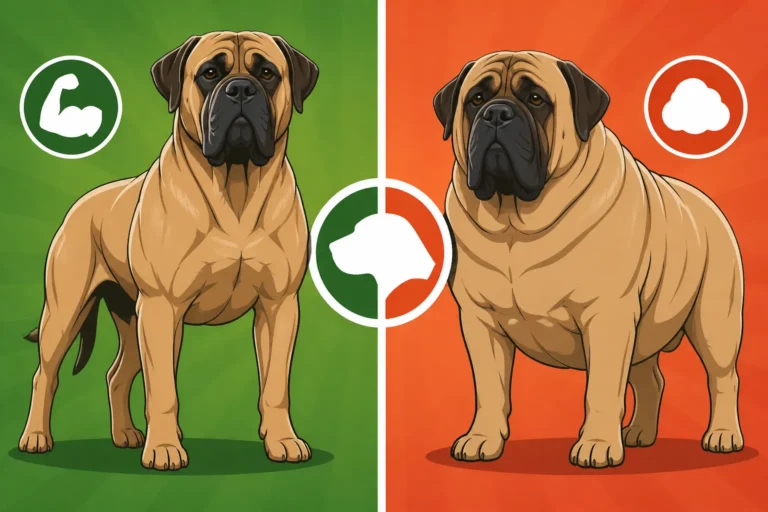
- Body Condition: Your Mastiff should be lean, not chunky. You should be able to feel their ribs without pressing hard, and they should have a discernible waist when viewed from above. If they are maintaining a healthy, lean body condition on three meals, and you're not seeing signs of rapid, uncontrolled growth, you're on the right track. How Ribby a Mastiff Puppy Should Look is a great resource for assessing this.
- Appetite and Digestion: If your Mastiff handles two meals well without signs of bloating, excessive hunger between meals, or digestive upset, they might be ready. However, if they scarf down their food too quickly or seem ravenous hours before their next meal, sticking with three might still be best.
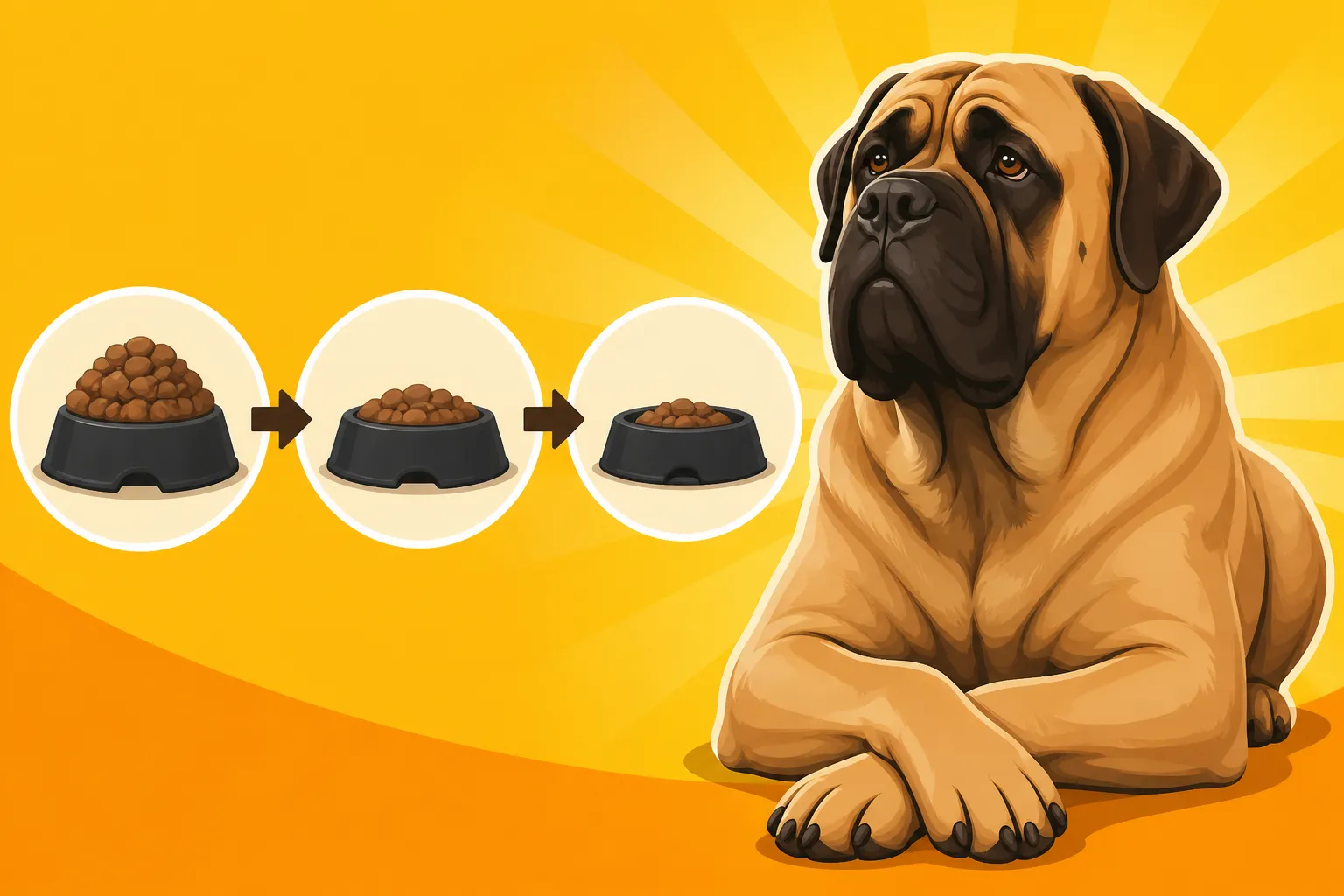
Making the transition should be gradual. You can start by slightly reducing the mid-day meal while incrementally increasing the morning and evening meals over a week or two, observing your dog's reaction closely.
Tips for Implementing a Three-Meal Schedule
Setting up a successful three-meal schedule is all about routine and consistency.
- Establish a Routine: Dogs thrive on routine. Try to feed your Mastiff puppy at roughly the same times each day. For example, 7 AM, 1 PM, and 7 PM. This helps regulate their digestive system and prevents anxiety around meal times.
- Portion Control is Key: Don't just divide their food into three equal portions based on the bag's recommendations for their current weight. Remember, those recommendations are often generic and can lead to overfeeding in giant breeds. Consult your veterinarian for precise caloric needs or refer to guides like How Much a Mastiff Puppy Should Eat and The Protein and Calcium Ceiling for a Mastiff Puppy to ensure you're providing appropriate amounts to support slow, healthy growth. It’s not about feeding more, but feeding smarter.
- Choose the Right Food: Select a high-quality, large or giant breed specific puppy food. These formulas are designed with controlled calcium and phosphorus levels and appropriate protein percentages to support slow bone growth. Brands available on Chewy often have excellent options tailored for large breed puppies.
- Create a Calm Feeding Environment: Feed your Mastiff in a quiet, undisturbed area where they can eat without competition or stress. This aids digestion and reinforces good eating habits. If you have multiple pets, feed them separately.
- Monitor Water Intake: Always ensure fresh water is available, especially around meal times. Hydration is crucial for digestion.
- No Exercise Before or After Meals: This is especially important for giant breeds due to bloat risk. Allow at least an hour of rest before and after meals.
Monitoring Your Mastiff's Body Condition
Consistently assessing your Mastiff's body condition is paramount, regardless of their feeding schedule. It's easy for these big dogs to carry a bit of extra weight, which can silently add strain to their developing joints.
Use a "hands-on" approach:
- Ribs: Gently run your hands along their sides. You should be able to feel their ribs distinctly without pressing hard, like feeling the back of your hand. If you have to dig to find them, they're likely overweight. If you can see them protruding, they might be too thin (unless they're going through a lanky growth phase, which is normal for a Mastiff puppy to some extent).
- Waist: Look down at your Mastiff from above. They should have a noticeable tuck or "waist" behind their ribs, before their hips. If they look like a straight block from chest to tail, they're carrying too much weight.
- Abdominal Tuck: View them from the side. Their belly should tuck up slightly from their chest to their hind legs, not hang low or be parallel to the ground.
Keep a growth chart, or at least a mental note of their weight and appearance during vet visits. Your vet is your best resource for assessing body condition scores and advising on any necessary adjustments to their food intake or feeding schedule. Remember, a lean Mastiff puppy is a healthier Mastiff puppy, and this careful management through a three-meal-a-day schedule contributes significantly to their long-term well-being.
| Age Range (Approx.) | Recommended Meal Frequency | Primary Rationale for Mastiffs | Transition Considerations |
|---|---|---|---|
| 8 weeks – 6 months | 3-4 meals per day | Rapid, delicate bone growth; high metabolic demands; small stomach capacity; blood sugar stability. | Focus on consistent portions and high-quality giant breed puppy food. |
| 6 months – 18 months | 3 meals per day | Continued significant bone and muscle development; risk of orthopedic issues if growth is too fast; aids digestion. | Monitor body condition closely; consult vet on specific caloric needs. |
| 18 months – 2 years | 2-3 meals per day | Filling out, but primary skeletal growth slowing; maintains energy, aids digestion, reduces bloat risk. | Gradual reduction, often to two meals, but some may prefer three smaller meals. |
| 2+ years (Adult) | 2 meals per day | Fully grown; supports stable energy levels and digestion; helps manage weight and prevent bloat. | Should be fully mature and settled into a maintenance diet. |
The Long-Term Benefits of a Slower Feeding Approach
The effort you put into carefully managing your Mastiff puppy's feeding schedule and growth rate during those critical early months and years pays dividends over their entire life. It’s an investment in their health, comfort, and longevity, contributing to a happy, mobile giant.
Supporting Lifelong Joint Health
The most significant long-term benefit of keeping a Mastiff on three meals a day for longer, thereby promoting slow, controlled growth, is the profound impact on their joint health. Mastiffs are already predisposed to debilitating conditions like hip and elbow dysplasia due to their genetic lineage and sheer size. By preventing rapid weight gain and bone development that outpaces soft tissue maturity, you are actively reducing the environmental contribution to these issues.
Imagine the difference between a house built slowly, allowing each foundation layer to cure properly, versus one rushed to completion. The slower, more deliberate construction will inevitably be stronger and more resilient. Similarly, joints that develop under less strain during the formative years are more likely to be sound and less prone to early onset arthritis and degenerative changes. While you can't erase genetic predispositions, you can significantly influence the severity and timing of these conditions. A Mastiff with well-developed, stable joints will enjoy greater mobility, less pain, and a higher quality of life into their senior years. This foundation laid in puppyhood is critical for their entire Six to Ten Years Is What a Mastiff Gets.
Establishing Healthy Eating Habits
Beyond the physical benefits, a consistent three-meal-a-day schedule helps establish positive behavioral patterns around food. When a Mastiff puppy knows food is coming at predictable intervals, they are less likely to feel intense hunger, which can lead to undesirable behaviors.
For instance, puppies who are fed sporadically or given very large, infrequent meals might develop food insecurity, leading to resource guarding, bolting their food, or even scavenging behavior. Bolting food, in particular, is not only a digestive risk but can make meal times chaotic and stressful for both dog and owner. By offering three smaller meals, you teach your Mastiff that food is a regular, reliable part of their day. This fosters a calm, confident approach to eating, reducing the likelihood of gulping their food down in a panic. It also allows you to monitor their appetite more closely, which is an important indicator of overall health. If a dog on a consistent schedule suddenly skips a meal, it's a much clearer sign that something might be amiss.
Behavioral and Energetic Considerations
A stable diet translates directly into a stable dog. When blood sugar levels are consistent throughout the day, your Mastiff puppy will experience fewer extreme highs and lows in their energy, which can contribute to a more even temperament. Dogs, like people, can get "hangry" or overly energetic from sugar spikes.
Three smaller meals help keep their energy levels more balanced, reducing instances of hyperactivity followed by lethargy. This steady energy contributes to better focus during training sessions and a generally calmer demeanor in the house. Mastiffs are known for their laid-back nature, but inconsistent feeding can disrupt this. Furthermore, because Mastiff puppies should not be over-exercised (as outlined in Why a Mastiff Puppy Must Not Be Exercised Hard), managing their internal energy through diet becomes even more important. A well-fed, well-regulated Mastiff is more likely to be the gentle giant you expect, rather than a moody, unpredictable pup struggling with their own internal rhythm.
Ultimately, keeping your Mastiff on a three-meal-a-day schedule for a longer period is a cornerstone of responsible giant breed ownership. It supports their unique growth process, minimizes health risks, and contributes to a balanced, happy life for these magnificent dogs.
Disclaimer
This article is for general informational purposes only and does not constitute professional advice. Laws, prices and regulations vary by location and change over time. Consult a qualified professional for guidance on your specific situation.