Whether a Mastiff’s Facial Fold Can Get Infected in Winter
As a Mastiff owner, you quickly learn that those adorable, majestic folds on their face are not just for show; they're a responsibility. The worry often centers around keeping them clean and dry in the warmer, wetter months, but many of us overlook the unique challenges winter presents. This guide will walk you through how the colder, drier air, combined with unexpected moisture, can set the stage for facial fold infections in your beloved Mastiff, and what you can do to prevent and address them.
The Unique Challenges of Mastiff Facial Folds Year-Round
Living with a Mastiff means becoming intimately familiar with their glorious wrinkles. While they add so much character to our gentle giants, they also demand consistent attention. It’s not just about aesthetics; these folds are intricate ecosystems that, if neglected, can quickly become problematic. The sheer depth and overlap of the skin create an environment unlike almost anywhere else on their body, making them prone to specific issues regardless of the season.
Understanding the Anatomy of a Mastiff's Wrinkles
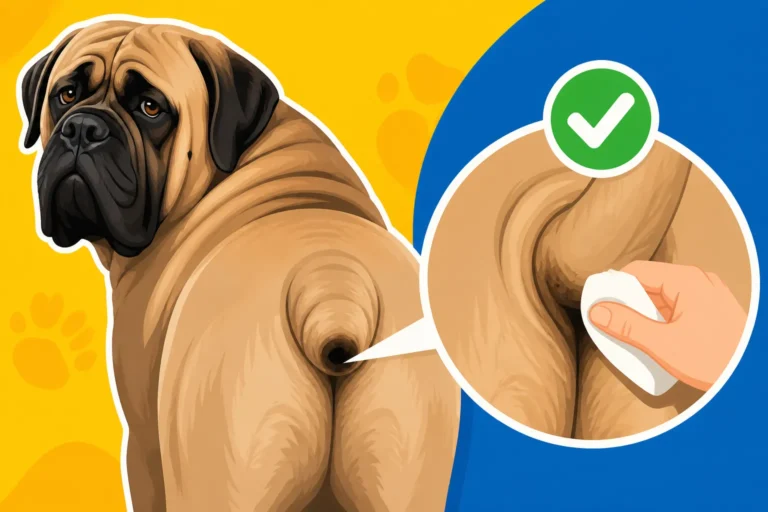
Imagine several layers of thick, warm blanket pressed tightly together. That’s essentially what a Mastiff's facial folds are like. They are areas where skin meets skin, with little to no air circulation getting between those layers. This lack of airflow is the root cause of many of the issues we face. Think about your own skin in a humid environment; now imagine that inside a pocket of skin. These folds naturally trap everything: tiny bits of food after a meal, moisture from drinking water, stray hairs, and even just the dog's natural skin oils. Each tiny particle adds to the potential for irritation.
Beyond just the physical trapping, the skin itself is constantly producing sebum, its natural oil, which can build up. When this sebum, along with shed skin cells, gets trapped in a warm, dark, and often damp environment, it creates a rich buffet for microscopic organisms. This is why a rigorous cleaning routine is so vital for these magnificent dogs. If you want a deeper dive into the general care, you might find The Wrinkles and Folds a Mastiff Owner Cleans Every Week a helpful read.
Why Folds Are a Prime Spot for Skin Issues
The internal environment of a Mastiff's fold is a paradise for bacteria and yeast. It’s warm, it's dark, and there’s usually a bit of moisture. This trifecta creates the perfect breeding ground for these microbes, which are normally present on the skin in harmless quantities. However, when they multiply unchecked, they can cause an overgrowth, leading to inflammation and infection. It's a classic case of too much of a good thing turning bad.
Even a slight irritation can quickly escalate. A tiny scratch from a rogue thorn during a walk, a speck of food rubbing the skin, or just prolonged dampness can break the skin barrier. Once that barrier is compromised, it’s an open invitation for opportunistic bacteria or yeast to move in and set up shop. The skin within the folds can become red, itchy, and uncomfortable. If you've ever smelled a faint, yeasty odor coming from your Mastiff's face, you know exactly what I mean; that's often the tell-tale sign of yeast starting to take hold. Without intervention, these minor irritations can develop into full-blown infections, causing significant discomfort for your Mastiff. The constant need for vigilance isn't just a recommendation; it’s a non-negotiable part of Mastiff ownership.
How Winter Weather Impacts Mastiff Facial Folds
We often focus on hot, humid summers as the prime time for skin fold issues, imagining sweat and dampness as the main culprits. However, winter brings its own insidious set of challenges that can be just as, if not more, damaging to a Mastiff's delicate facial folds. It’s not always about obvious wetness; sometimes, the problem is a subtle shift in environmental conditions that compromises the skin’s natural defenses.
The Double-Edged Sword of Cold and Dry Air
When the temperatures drop and the air gets crisp and dry, it might seem counterintuitive to worry about skin infections that thrive in moisture. Yet, this cold, dry air is a double-edged sword for your Mastiff's skin. Firstly, the lack of humidity can strip the skin of its natural moisture, leading to dryness and a loss of elasticity. Think about your own hands in winter – they get chapped and cracked. The same can happen, albeit less visibly, within your Mastiff's folds. These tiny micro-fissures in dry skin provide entry points for bacteria, even if the overall environment feels drier.
Secondly, indoor heating systems, a necessity in winter, often exacerbate this dryness. They suck the humidity out of the air, creating an even harsher environment for your dog’s skin. The skin, particularly in the protected folds, can become irritated, itchy, and prone to inflammation. While the outside air might be cold, the inside air is often parched, leading to a constant battle for skin hydration and integrity. This dryness can actually make the skin more vulnerable, turning a seemingly "clean" dry fold into a pathway for infection if any irritants are present.
Increased Moisture Risks in Winter Activities
Despite the generally dry winter air, specific winter activities can introduce significant, localized moisture to your Mastiff's folds, creating perfect conditions for infection. Picture your Mastiff romping through fresh snow, their jowls scooping up icy flakes, or even just drinking deeply from their water bowl and then heading outside into the cold. The melting snow, ice, or even just water from drinking can become trapped deep within their facial folds.
Once trapped, this moisture doesn't evaporate quickly in the cold, dense environment of the folds. Instead, it sits there, warming slightly against their body heat, creating a damp, warm pocket. If that moisture is combined with any dirt, debris, or even food particles – especially if your Mastiff is a messy eater of wet food – it becomes an ideal breeding ground. The contrast between the cold air and the body-warmed dampness within the folds is particularly problematic. Even if they're not overtly wet, that constant, low-level dampness can wreak havoc, leading to irritated skin and potential for bacterial or yeast overgrowth. This is why knowing How Often a Mastiff's Jowls Need Wiping becomes critically important during these months.
The Role of Compromised Immunity and Winter Stress
Beyond environmental factors, winter can also place additional stress on a Mastiff's overall health and immune system, indirectly impacting their skin fold vulnerability. Just like humans, dogs can experience a dip in their immune function during colder months, especially if they are exposed to changes in temperature, have less outdoor activity, or are simply feeling the effects of aging. A dog with a slightly compromised immune system is less equipped to fight off the natural bacterial and yeast populations on their skin, making them more susceptible to localized infections.
Consider an older Mastiff who might be feeling the chill in their joints, leading to less movement and perhaps more time lying down. This reduced activity can affect circulation and overall vitality. While not a direct cause, an underlying general stress or a subtle immune dip can make the skin, particularly in sensitive areas like facial folds, more prone to issues. When the body is spending its resources on staying warm or managing other minor ailments, it might not be as robust in policing every skin fold against microbial overgrowth. It's a holistic view of health – a healthy dog with a strong immune system is always better equipped to ward off localized infections, regardless of the season.
Preventing Facial Fold Infections in Colder Months
Prevention is always better than cure, especially when it comes to the deep, often hidden folds of a Mastiff's face. In winter, this means adapting your routine to combat both dryness and unexpected moisture. Being proactive and consistent can save your Mastiff a lot of discomfort and you, a trip to the vet. It’s about creating a diligent care regimen that acknowledges the specific challenges of the season.
Establishing a Consistent Winter Cleaning Routine
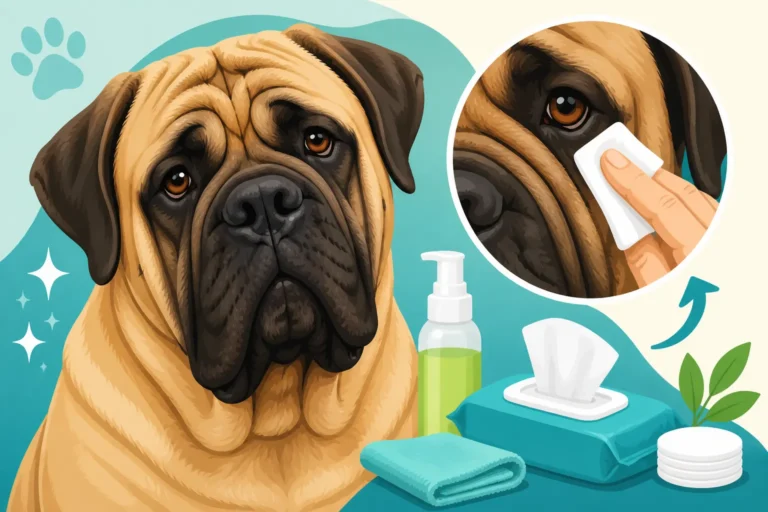
The cornerstone of fold health, regardless of the season, is a consistent cleaning routine. In winter, this routine needs to be even more meticulous. Aim for at least once daily, and ideally after every meal or outdoor play in snow or wet conditions. The goal is to remove any trapped moisture, food debris, and potential irritants before they can cause a problem. Use a soft cloth or a pet-safe wipe. There are many excellent brands available on sites like Chewy or Amazon that are specifically formulated for sensitive skin and folds.
When you clean, gently part the folds and wipe thoroughly, reaching into the deepest crevices. The most critical step, however, is drying. Do not leave any moisture behind. Use a dry, soft cloth or even a cotton pad to blot every nook and cranny until it's bone dry. Any residual dampness, especially in cold air, can quickly lead to chilling or provide a breeding ground for bacteria and yeast. This thorough drying is often overlooked but is arguably the most important part of winter fold care. For more specifics on the frequency, check out How Often a Mastiff's Folds Need Cleaning.
Moisturizing and Protecting Dry Winter Skin
Just as dry skin on your hands needs moisturizer, your Mastiff's skin can benefit from specific protection in winter, especially around the exterior of the folds. For areas that tend to get chapped or raw from wind and cold, a pet-safe balm or emollient can be helpful. Think of it like lip balm for their jowls. However, be incredibly careful not to apply thick, occlusive products deep within the folds, as this can trap moisture and exacerbate the very problem you're trying to prevent. The aim is to protect the exposed, drier skin, not create a humid pocket.
Consider barrier creams if your Mastiff spends significant time outdoors in harsh conditions, applying them lightly to the outer areas of the jowls and muzzle to shield against windburn and ice. Internally, ensure your Mastiff has constant access to fresh water to support overall skin hydration from within. A well-hydrated body is a healthier body, better equipped to maintain skin integrity. A healthy diet also plays a role in skin health; while not directly for fold care, providing a balanced diet, perhaps even exploring options like those from Ollie, can contribute to their overall well-being and skin resilience.
Environmental Controls and Monitoring
Beyond direct cleaning, managing your Mastiff's environment can also significantly aid in preventing winter fold infections. Indoor heating, while essential, can drastically reduce humidity. Consider using a humidifier in the rooms where your Mastiff spends most of their time to add moisture back into the air, which can prevent their skin from drying out excessively. This small change can make a big difference in maintaining skin suppleness and reducing irritation.
Another simple but effective measure is to re-evaluate their water bowl setup. Elevated bowls can help reduce how much their jowls get dunked and subsequently wet when drinking, minimizing the amount of moisture that might then transfer to their folds. After they drink, a quick dab with a dry towel can intercept any drips before they seep into the folds. Most importantly, maintain a routine of daily visual inspection. Gently part the folds and look for any signs of redness, irritation, or discharge. Catching any issue early is crucial. If you notice any unusual odor, like a yeasty smell, it’s a strong indicator that something is amiss, as discussed in Whether a Mastiff's Fold Smells Yeasty.
Recognizing and Treating a Winter Fold Infection
Despite your best preventative efforts, sometimes a facial fold infection can still creep in. Recognizing the signs early is absolutely critical for prompt treatment and your Mastiff’s comfort. Ignoring symptoms can lead to rapidly worsening infections, increased pain, and more complex veterinary interventions. Knowing what to look for and when to act can make all the difference.
Signs Your Mastiff's Fold is Infected
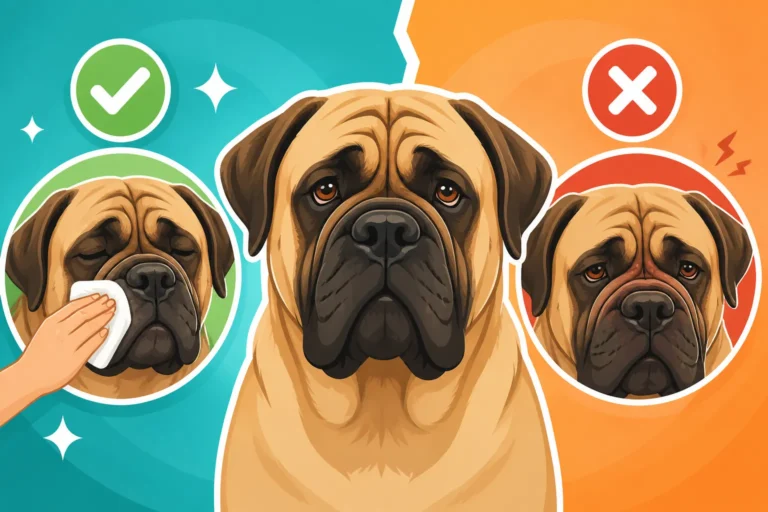
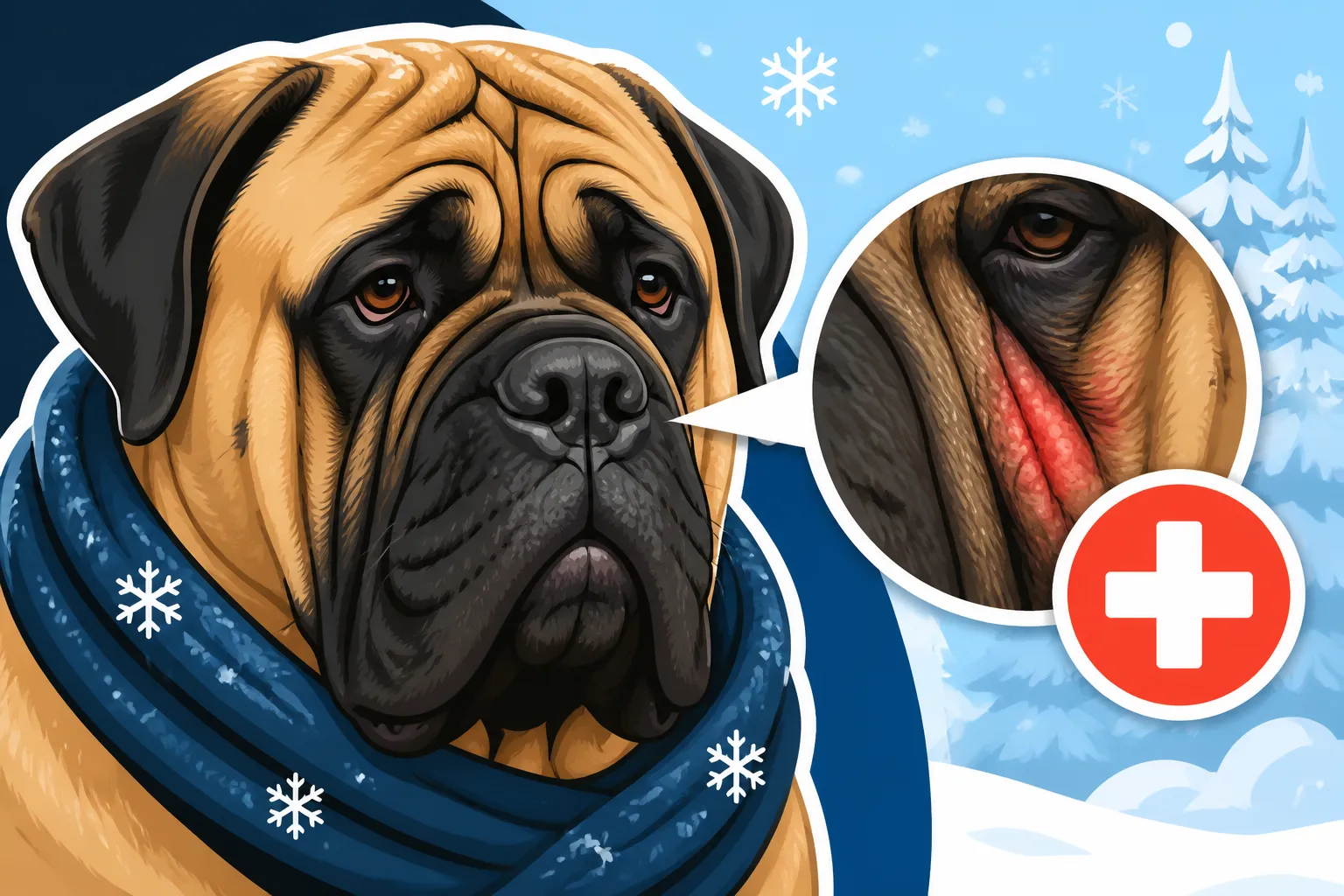
An infected fold will usually present with a combination of visual cues, odors, and changes in your Mastiff’s behavior. Visually, you'll often see redness, inflammation, and swelling deep within the fold. The skin might look raw, moist, or even ulcerated in severe cases. You might also notice pustules or small bumps. A tell-tale sign is discharge – this can range from a yellow or greenish pus to a brown, pasty substance, or even a bloody ooze.
The smell is usually distinct and unpleasant. It might be a strong, yeasty odor if it's primarily a fungal infection, or a more putrid, foul smell if bacteria are heavily involved. Your Mastiff will likely show signs of discomfort or pain. They might resist having their face touched, rub their face on furniture or the carpet more frequently, or paw at the affected area. In some cases, they might become lethargic or even lose their appetite due to the pain and irritation. These signs are a clear call to action, and should not be overlooked. For a comprehensive list, refer to Signs a Mastiff's Fold Has Become Infected.
Here’s a quick comparison to help you differentiate:
| Characteristic | Normal Mastiff Fold | Infected Mastiff Fold |
|---|---|---|
| Appearance | Clean, dry, light pink, sometimes slightly darker | Red, inflamed, swollen, raw, pustules visible |
| Odor | Minimal to none; perhaps a faint "doggy" smell | Foul, yeasty, cheesy, or distinctly putrid |
| Discharge | None | Yellow, green, brown, bloody, pus |
| Texture | Soft, pliable, smooth | Greasy, crusty, rough, thickened skin |
| Sensitivity | Tolerates gentle touch and cleaning | Painful to touch, dog may resist examination |
| Behavioral Signs | No change in demeanor | Pawing at face, rubbing head, lethargy, loss of appetite |
When to Consult Your Vet
As soon as you notice signs of an infection – redness, discharge, foul odor, or your dog showing discomfort – it's time to call your veterinarian. Do not attempt to self-treat with human medications or harsh cleaning agents, as these can often do more harm than good and may mask symptoms, making diagnosis harder. Your vet will be able to properly diagnose the type of infection (bacterial, yeast, or both) and prescribe the appropriate treatment. They might take a swab for cytology to look at the cells and microbes under a microscope.
Prompt veterinary attention is crucial, especially with a Mastiff. These infections can spread quickly and become deeply uncomfortable. Your vet may prescribe topical medications, such as medicated wipes (different from regular cleansing wipes – some excellent options might be found on Chewy or Amazon as vet-recommended products), creams, or oral antibiotics or antifungals. They might also recommend a specific cleaning regimen with a gentle, antiseptic solution. Remember, addressing the issue early often leads to a quicker, less complicated recovery for your Mastiff. Learning Whether a Mastiff's Fold Infection Needs Antibiotics is a common question, and the answer is often yes, so veterinary consultation is key.
Home Care During Recovery
Once your vet has diagnosed and prescribed a treatment plan, your role in home care is vital for a successful recovery. The first rule is to follow your veterinarian's instructions precisely. This means administering all medications as directed, for the full course, even if the symptoms seem to improve quickly. Stopping treatment early can lead to a recurrence or resistance. Continue the gentle cleaning and thorough drying routine with the specific medicated solutions recommended by your vet. This might be more frequent than your usual preventative cleaning.
Ensure your Mastiff’s environment remains clean and dry. Change bedding frequently to minimize bacterial load, and continue to manage moisture around their face, particularly after drinking. It’s also important to prevent your Mastiff from further irritating the area. If they are constantly rubbing or scratching, an Elizabethan collar (the "cone of shame") might be necessary to allow the infection to heal without interference. While no dog loves a cone, it's a short-term solution for a long-term benefit. Your dedication during this recovery period will greatly contribute to your Mastiff's comfort and health.
Disclaimer
This article is for general informational purposes only and does not constitute professional advice. Laws, prices and regulations vary by location and change over time. Consult a qualified professional for guidance on your specific situation.