How a Mastiff’s Hind End Fails With DM
Degenerative Myelopathy causes progressive hind-end weakness, coordination loss, and eventual paralysis in large Mastiff dogs.
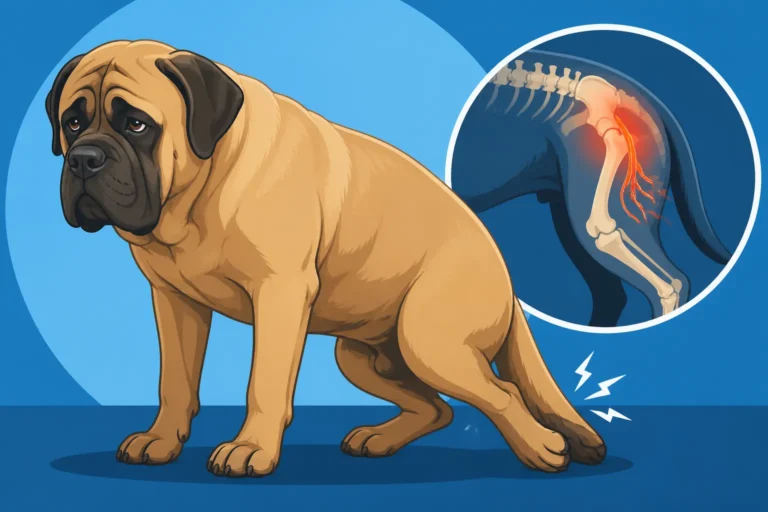
Degenerative Myelopathy causes progressive hind-end weakness, coordination loss, and eventual paralysis in large Mastiff dogs.
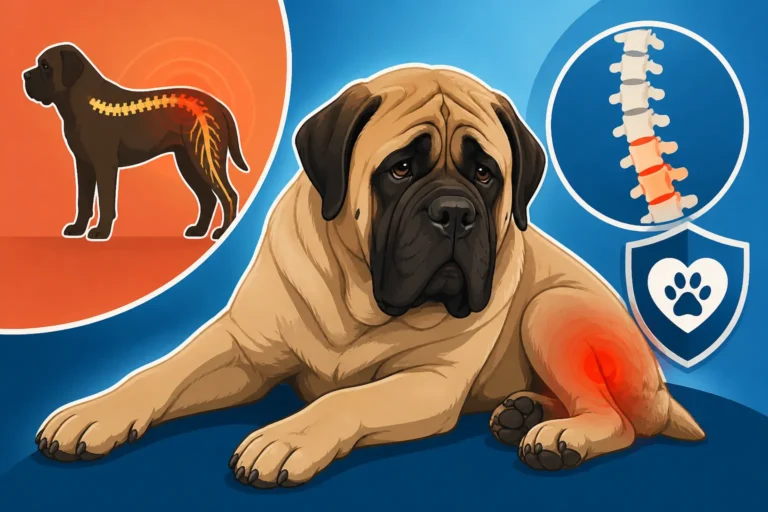
Degenerative Myelopathy in Mastiffs explains if this spinal cord disease causes pain and how hind leg weakness progresses in dogs.
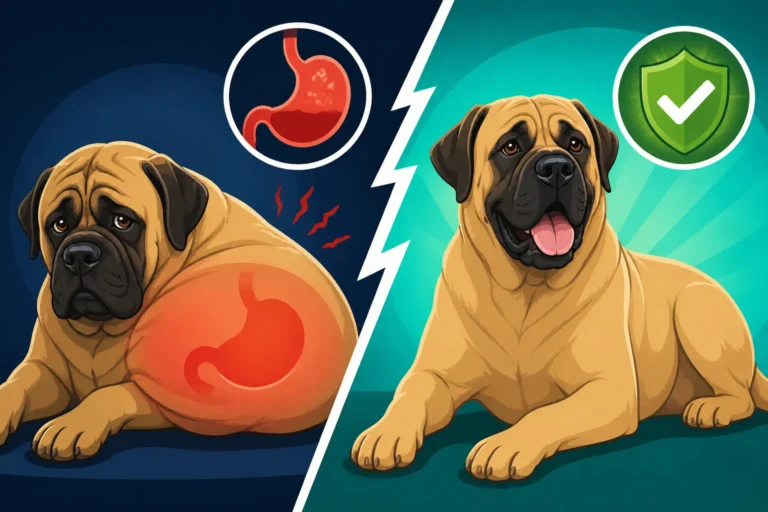
Mastiff bloat surgery survival rates depend on emergency veterinary intervention for gastric dilatation volvulus and stomach twisting.
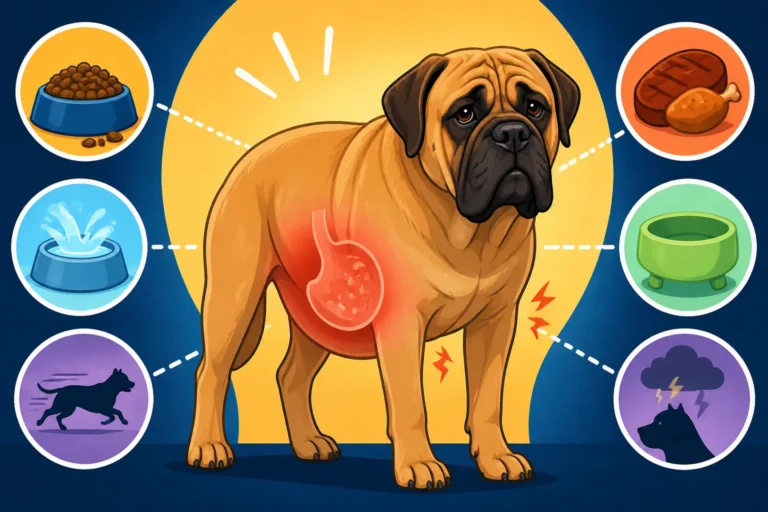
Gastric Dilatation-Volvulus triggers in Mastiffs explain how eating habits and deep chests cause life-threatening stomach twists.
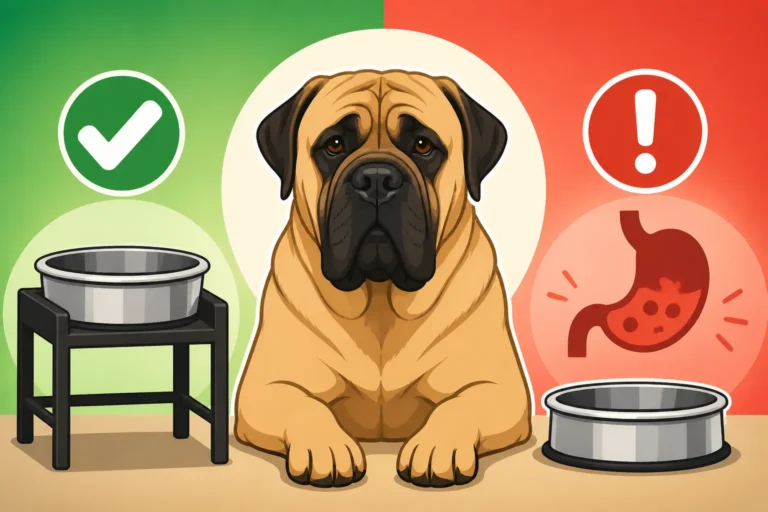
Mastiff bowl height and its actual impact on gastric dilatation-volvulus risk explained using Purdue University veterinary research.
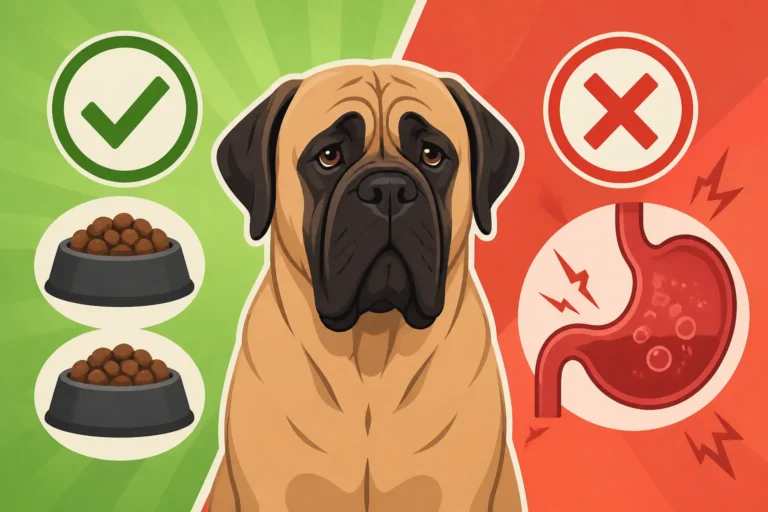
Feeding Mastiffs two meals daily lowers gastric dilatation and volvulus risk by managing food intake and preventing severe stomach twists.
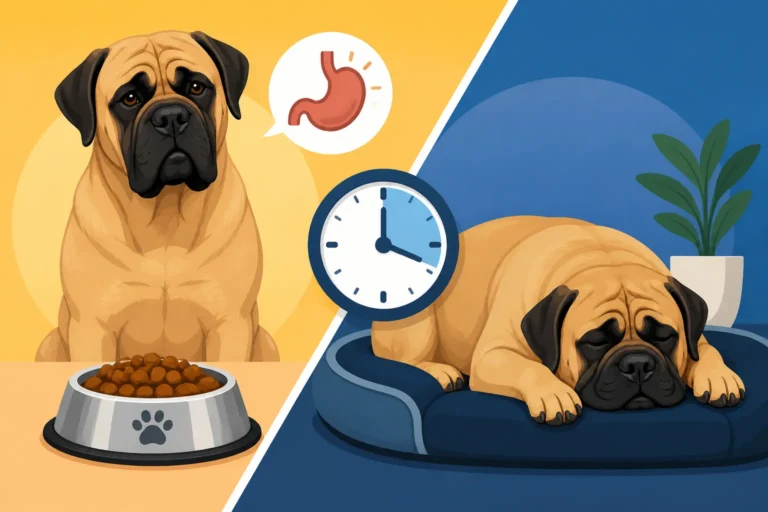
Mastiff rest periods after eating require sixty to ninety minutes of calm downtime to prevent life-threatening gastric torsion.
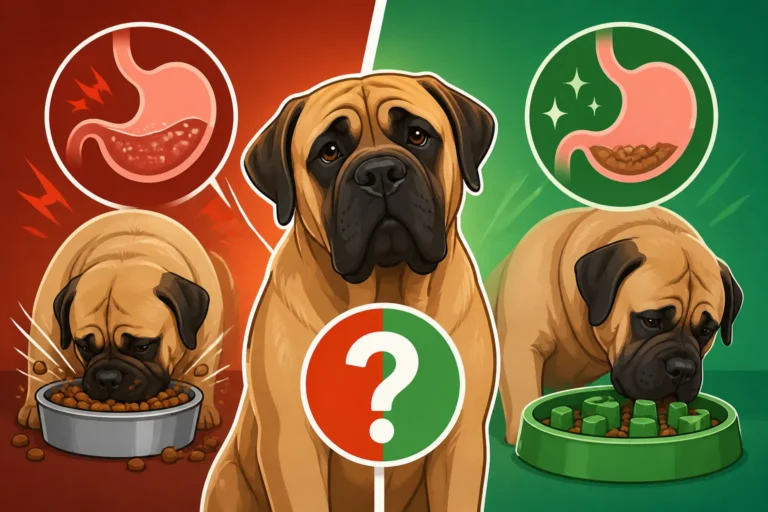
Slow feeder bowls for Mastiffs and their effect on gastric dilatation volvulus risk, examining science and prevention strategies.
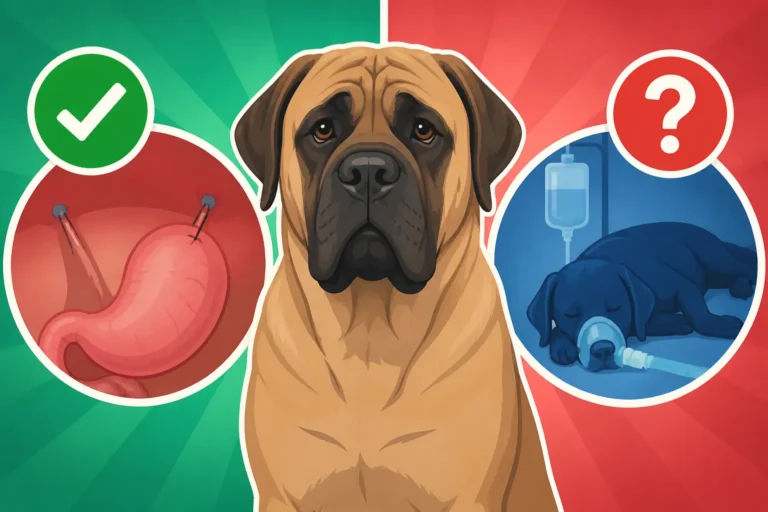
Combining gastropexy and neutering in Mastiffs reduces anesthesia risks and recovery periods while preventing fatal stomach twisting.
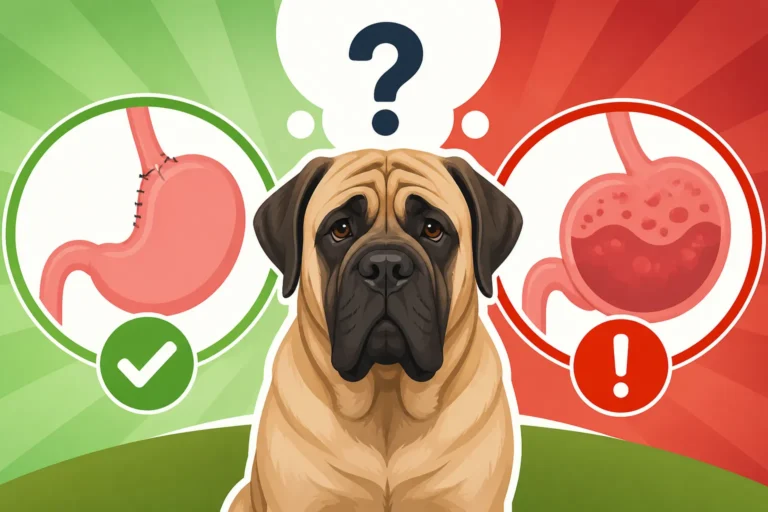
Preventative gastropexy surgery in Mastiffs stops dangerous stomach twisting while initial gas accumulation remains possible.