Whether an Embark Panel Covers Mastiff PRA
Finding out your beloved Mastiff might be susceptible to a devastating genetic condition like Progressive Retinal Atrophy (PRA) can be incredibly worrying. As devoted owners, we want to do everything in our power to ensure our gentle giants live long, healthy lives, and that includes understanding the tools available for genetic screening. This guide aims to thoroughly explore whether the popular Embark DNA testing panel includes the specific test for Mastiff PRA, what those results mean for your dog, and how this knowledge empowers you in their care.
Understanding Progressive Retinal Atrophy (PRA) in Mastiffs
The thought of your majestic Mastiff slowly losing its sight is truly heartbreaking. Progressive Retinal Atrophy, or PRA, isn't just one disease but a group of genetic disorders that cause the cells in the retina to degenerate over time. For a breed as noble and sensitive as the Mastiff, preserving their senses is paramount to their quality of life.
What Mastiff PRA Actually Is
Imagine a tiny, delicate camera film at the back of your Mastiff's eye – that's the retina. PRA is a hereditary condition where these light-sensing cells, the rods and cones, gradually break down. Initially, you might notice your Mastiff having trouble navigating in dim light, maybe bumping into furniture at dusk, or being hesitant to go outside after the sun sets. This is often because the rod cells, responsible for night vision, are affected first. As the disease progresses, the cone cells, which handle daytime and color vision, also degenerate, leading to complete blindness.
The insidious nature of PRA is that it's typically progressive, meaning it gets worse over time, and sadly, there is no cure. The specific type of PRA often seen in Mastiffs is known as progressive rod-cone degeneration 1, or rcd1-PRA. What's particularly challenging for breeders and owners alike is that this form can sometimes manifest later in life, making early detection through observation difficult. Knowing that Why Mastiff Retinal Atrophy Needs Only One Copy of the Gene can cause such significant issues even with just one copy of the faulty gene emphasizes the importance of understanding its inheritance.
The Importance of Genetic Testing for PRA
When we talk about genetic diseases like PRA, waiting for visible symptoms is often too late. By the time you notice your Mastiff struggling with their vision, the degenerative process is already well underway, and they’ve likely been adapting to subtle changes for quite some time. This is where genetic testing steps in as a powerful proactive tool.
Genetic tests work by analyzing your dog's DNA for specific mutations known to cause certain diseases. For Mastiff PRA, a DNA test can identify if your dog carries the gene mutation responsible for rcd1-PRA long before any clinical signs appear. This isn't just about preparing yourself for a potential future challenge; it's also absolutely crucial for responsible breeding. Without genetic testing, carriers of the disease can unknowingly pass it on, perpetuating the cycle of suffering. By identifying carriers, breeders can make informed decisions to prevent affected puppies from being born. It’s a vital step in working towards a healthier future for the entire breed. Think of it as a roadmap, giving you information to guide your Mastiff's care and, for breeders, to guide their pairings.
Deciphering the Embark DNA Panel for Mastiffs
In today’s world, genetic testing for dogs has become incredibly sophisticated, offering insights into ancestry, traits, and, most importantly for our Mastiffs, health risks. The Embark DNA panel is one of the most comprehensive options available, and many Mastiff owners and breeders turn to it for a wealth of information.
What an Embark Panel Typically Covers
An Embark DNA panel isn't just a simple test; it's often a deep dive into your dog's genetic makeup. For many breeds, it analyzes hundreds of thousands of genetic markers, providing a detailed breakdown of their ancestry, revealing potential relatives, and predicting physical traits like coat color or adult size. But perhaps most valuable for health-conscious Mastiff owners is its extensive health screening. Embark typically screens for over 200 genetic health conditions, encompassing a wide range of issues from neurological disorders to blood diseases and, critically for our Mastiffs, various eye conditions.
This comprehensive approach means that when you receive an Embark report, you're not just getting a yes/no answer for one thing. You're getting a broad spectrum of genetic information. For a breed that can face several health challenges, from orthopedic issues to certain cancers, having this genetic "stack" of information is incredibly valuable. Knowing about potential predispositions allows you to work with your veterinarian on preventative care and early monitoring.
Does Embark Include Mastiff PRA?
This is the burning question for many Mastiff enthusiasts, and the good news is, yes, the Embark DNA panel typically includes genetic testing for Progressive Retinal Atrophy (PRA). Specifically, Embark screens for the rcd1-PRA mutation, which is recognized as a form of PRA affecting Mastiffs. This means that if you submit a DNA sample from your Mastiff to Embark, you can expect to receive results regarding their genetic status for this particular eye condition.
The inclusion of rcd1-PRA in Embark's comprehensive panel is a huge relief for many. It consolidates multiple tests into one, providing breeders and owners with critical information about their dog's genetic health profile concerning this devastating eye disease. The results will typically tell you if your Mastiff is "Clear," a "Carrier," or "Affected" by the rcd1-PRA mutation, giving you a clear picture of their risk and their potential to pass the gene on. This specific test is a vital part of the puzzle for responsible ownership and breeding. If you're wondering The DNA Test That Finds Mastiff PRA, Embark is one of the leading services offering it.
Interpreting Your Mastiff's Embark PRA Results
Getting those Embark results back can feel a bit like opening a report card – a mix of anticipation and perhaps a touch of anxiety. Understanding what "Clear," "Carrier," and "Affected" truly mean for your Mastiff is crucial for informed decision-making regarding their health and any potential breeding plans.
Understanding "Clear," "Carrier," and "Affected"
Let's break down the three primary results you might see on your Mastiff's Embark panel for PRA:
- Clear (also known as "Normal" or "Homozygous Normal"): This is the best possible outcome. A "clear" Mastiff has inherited two normal copies of the gene, one from each parent. This means they do not carry the specific rcd1-PRA mutation and will not develop this form of PRA. Furthermore, they cannot pass this specific mutation on to any offspring. This offers a significant level of peace of mind.
- Carrier (also known as "Heterozygous"): A "carrier" Mastiff has inherited one normal copy of the gene and one copy of the rcd1-PRA mutation. Since rcd1-PRA is often inherited in a recessive pattern, a carrier typically will not develop the disease themselves. They will likely live their entire lives with normal vision. However, the critical aspect of being a carrier is that they can pass the mutated gene on to their offspring. This is why a breeder needs to know Whether a Mastiff Carrier of PRA Goes Blind Too – they usually don't, but they are genetically significant.
- Affected (also known as "Homozygous Affected"): An "affected" Mastiff has inherited two copies of the rcd1-PRA mutation, one from each parent. This means they are at high risk of developing rcd1-PRA and will likely experience progressive vision loss, eventually leading to blindness. They will also pass a copy of the mutated gene to all of their offspring. This result has serious implications for the dog's future health and, definitively, for any breeding considerations. Knowing Whether a Mastiff With PRA Should Be Bred is a key question, and for an affected dog, the answer is a resounding no, to protect future generations.
Here’s a quick summary of what these results imply:
| Result Status | Genetic Makeup | Will Develop rcd1-PRA? | Can Pass rcd1-PRA Gene to Offspring? | Breeding Implications |
|---|---|---|---|---|
| Clear | Two normal gene copies | No | No | Ideal for breeding; no risk of passing this specific PRA. |
| Carrier | One normal, one mutated | No (typically) | Yes (50% chance per puppy) | Can be bred responsibly only with a Clear partner. |
| Affected | Two mutated gene copies | Yes | Yes (100% chance per puppy) | Should never be bred. |
Beyond the DNA Test: Eye Exams and Comprehensive Health
While a DNA test like the Embark panel is an incredibly powerful tool for identifying genetic predispositions, it's essential to remember that it's just one piece of the health puzzle. A "Clear" result for rcd1-PRA does not guarantee your Mastiff will never have any eye problems. Dogs, including Mastiffs, can still develop other forms of PRA that aren't covered by this specific genetic test, or other common eye issues like cataracts, glaucoma, or even injuries.
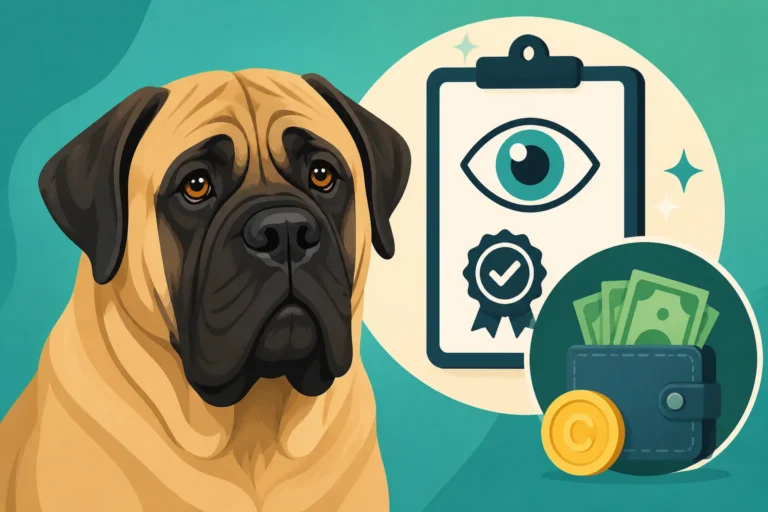
This is why regular veterinary check-ups and specialized eye examinations by a board-certified veterinary ophthalmologist remain critically important. Organizations like the Orthopedic Foundation for Animals (OFA) offer Eye Certification exams where a specialist thoroughly checks for a wide range of ocular conditions. These examinations are typically done annually, especially for breeding dogs, to catch any non-genetic or different forms of inherited eye disease early. For example, Whether a Mastiff Should Have a Yearly Eye Exam is not just good practice but a recommendation for breeders to maintain the health certifications of their dogs. Combining genetic testing with regular clinical exams provides the most comprehensive approach to safeguarding your Mastiff's vision and overall eye health.
Integrating DNA Testing into Responsible Mastiff Ownership and Breeding
Understanding your Mastiff's genetic health profile, especially concerning conditions like PRA, is a cornerstone of responsible ownership. This knowledge empowers you to make proactive decisions, whether you're a potential puppy buyer or an experienced breeder.
The Breeder's Role in PRA Prevention
Responsible Mastiff breeders are the frontline defense against inherited diseases. They don't just breed for impressive size and temperament; they breed for health. This means meticulously health testing their breeding stock for a variety of conditions, and genetic tests like the Embark panel for PRA are an indispensable part of that process. Breeders utilize these panels to identify "Clear" dogs for their breeding programs, or to carefully plan pairings involving "Carrier" dogs only with "Clear" partners, ensuring no "Affected" puppies are produced. This conscious effort is how the incidence of these diseases can be significantly reduced over generations.
Transparency is another hallmark of a responsible breeder. They should be eager to share the health test results of both parents, including their Embark PRA status, with prospective buyers. This isn't just about showing off; it's about providing assurance that they are doing everything possible to produce healthy puppies. When a breeder proudly displays Whether a Breeder Should Show a Mastiff's PRA Result, it reflects their commitment to the breed's future. They understand that while a beautiful dog is wonderful, a healthy dog is priceless.
What Prospective Owners Should Look For
If you're dreaming of bringing a Mastiff puppy into your home, congratulations! You're embarking on an incredible journey with a truly special breed. However, this journey starts long before you pick up your puppy. It begins with selecting a responsible breeder who prioritizes health. Armed with the knowledge that the Embark panel covers Mastiff PRA, you now have a crucial question to ask: "Can I see the Embark (or other genetic test) results for both parents, specifically for PRA?"
A good breeder will not only have these results but will be happy to explain what they mean. Look for parents that are "Clear" or, if one is a "Carrier," ensure the other is "Clear" to guarantee the puppies won't be "Affected." This proactive inquiry empowers you as a buyer and greatly increases your chances of bringing home a healthy puppy. While a puppy might seem like a bargain if it's less expensive, sometimes those lower prices reflect a lack of investment in health testing, which can lead to significant emotional and financial heartache down the line. Keep in mind that What the CHIC Four Add to a Mastiff Puppy's Price includes extensive health screenings that prevent future problems.
Investing in a puppy from health-tested parents can also impact your future expenses. While no genetic test can predict every single health issue, minimizing the risk of a known genetic disease like PRA can potentially save you significant veterinary costs and emotional distress later on. Knowing your dog's genetic predispositions can even inform your choices regarding pet insurance, with companies like Healthy Paws, who focus on comprehensive coverage, being valuable partners in managing a giant breed's health. You might also want to consult resources like Chewy for specialized diets or supplements that could support overall eye health or general well-being, or consider premium food options from brands like Ollie if you prefer fresh dog food for your Mastiff. The peace of mind that comes from knowing you've done your due diligence in selecting a puppy from healthy lines is truly invaluable.
Disclaimer
This article is for general informational purposes only and does not constitute professional advice. Laws, prices and regulations vary by location and change over time. Consult a qualified professional for guidance on your specific situation.