Whether a Mastiff Gets Hot Spots
One of the most disheartening things as a Mastiff owner is seeing your gentle giant suddenly miserable, incessantly licking or scratching at a spot that wasn't there yesterday. These raw, angry patches of skin, often called hot spots, can appear almost overnight and leave you wondering what happened to your perfectly healthy dog. This guide will walk you through what hot spots are, why Mastiffs are so susceptible, how to treat them, and most importantly, how to prevent these painful skin flare-ups.
Understanding Hot Spots in Mastiffs
It's easy to feel overwhelmed when a hot spot erupts on your Mastiff. They can be incredibly painful for your dog and frustrating for you, often seeming to defy all logic in their sudden appearance and rapid escalation.
What Exactly Is a Hot Spot?
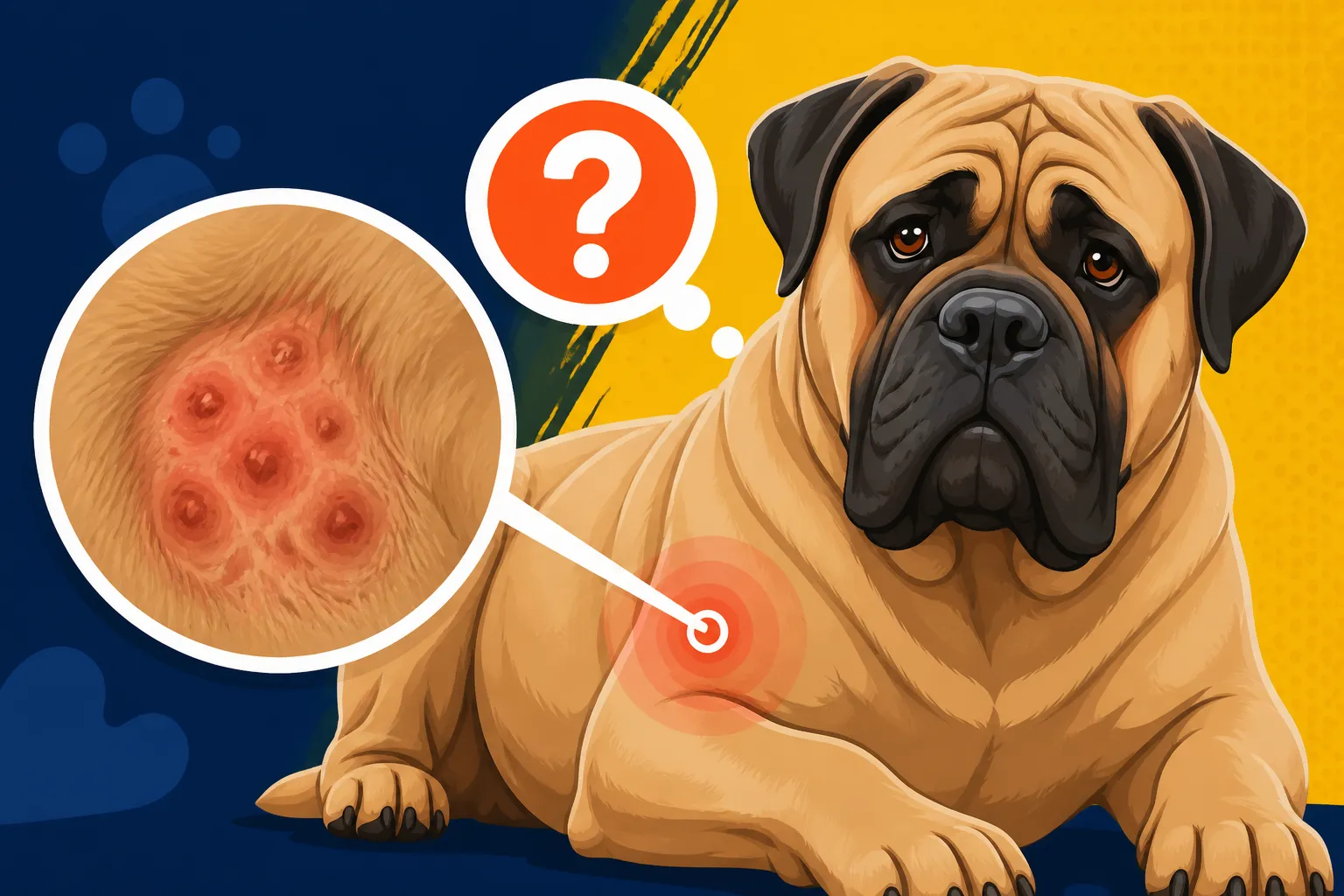
A hot spot, medically known as acute moist dermatitis, is essentially a localized skin infection that appears quickly and spreads rapidly. Imagine a small scratch or insect bite that starts to itch. Your Mastiff, being a dog, will lick, chew, or scratch that itch. This constant self-trauma breaks the skin barrier, introducing bacteria from their mouth or environment into the compromised skin. The moisture from their saliva, combined with the warmth of their body and a usually dense coat, creates the perfect breeding ground for bacteria. Before you know it, what started as a tiny irritation becomes a red, oozing, painful lesion that looks much worse than it did hours ago. The hair in the area often becomes matted with discharge, hiding the true extent of the problem until you clip it away.
Why Mastiffs Are Particularly Prone
Mastiffs, with their majestic size and specific physical characteristics, unfortunately, come with a heightened susceptibility to hot spots. Their thick, often dense coats, especially during warmer, humid months, can trap moisture against the skin. Think about a hot, muggy summer day in the Midwest – that kind of environment is just begging for skin issues in a Mastiff. More notably, their beautiful, expressive wrinkles and skin folds are prime real estate for bacterial growth. Areas like their jowls, neck folds, or even folds around their tail can become breeding grounds if not kept meticulously clean and dry. The Wrinkles and Folds a Mastiff Owner Cleans Every Week details just how much attention these areas need. Any minor irritation, from a flea bite to a stray piece of grass, can quickly turn into a full-blown hot spot because of these predisposing factors. It's not a reflection of poor care; it's simply the reality of owning a breed with such magnificent skin and coat.
The Frustration of Persistent Itching
If you've ever dealt with a Mastiff that has a hot spot, you know the sound of incessant licking or the sight of them constantly scratching with a back paw, even through their massive bulk. It's heartbreaking to witness. The itching is often intense and seemingly relentless, leading to a vicious cycle. The more they lick, the more irritated the skin becomes, which in turn makes it itch even more. This isn't just a minor annoyance for your dog; it can be incredibly uncomfortable and even painful. They might become restless, unable to settle, or even show signs of discomfort when the area is touched. The sheer size of a Mastiff means these hot spots can cover a significant area, compounding their misery. Owners often report feeling helpless, trying everything from cones to calming sprays, only to see their dog return to the offending spot with renewed determination. It's a common struggle, and you're definitely not alone in feeling this frustration.
Identifying and Addressing Hot Spots
Catching a hot spot early can make a world of difference in your Mastiff's comfort and the speed of recovery. A small red patch is much easier to manage than a large, weeping sore.
Early Signs and Symptoms
Often, the first sign you'll notice isn't the hot spot itself, but your Mastiff's behavior. Are they licking a particular area more than usual? Are they gnawing at their hip or constantly scratching behind an ear? These are huge red flags. Upon closer inspection, you might find a matted patch of fur. If you gently part the hair, you'll likely see a red, inflamed area of skin that might be moist or even oozing a clear or yellowish discharge. The skin around it will often feel warm to the touch. Sometimes, there might be a distinct, unpleasant odor, signaling a deeper bacterial presence. The lesion itself can range in size from a quarter to a dinner plate, expanding rapidly in a matter of hours. Pay close attention to areas like the cheeks, neck, hips, and under the tail, as these are common sites for these painful irritations. Regular grooming and petting can help you discover these spots before they get out of hand.
First Aid at Home
When you discover a hot spot, your immediate goal is to stop the self-trauma, clean the area, and dry it out. First, you'll need to carefully trim the hair around and within the hot spot. This might sound scary, especially if it's painful for your Mastiff, but it's crucial for air circulation and cleaning. Use blunt-nosed scissors or clippers, being extra careful not to nick the skin. Once the hair is removed, you'll be able to see the full extent of the lesion.
Next, gently clean the area with a mild antiseptic solution. Many owners find a diluted chlorhexidine solution or even a gentle saline rinse effective. You can find these at pet supply stores or online through retailers like Chewy or Amazon. Avoid harsh soaps or alcohol, which can further irritate the already sensitive skin. Pat the area completely dry after cleaning. This step is vital – moisture is the enemy of a hot spot. You might consider applying a thin layer of a veterinarian-approved antibiotic cream or a drying powder, but always consult your vet before applying anything. Finally, and perhaps most importantly, you need to prevent your Mastiff from further licking or scratching. An Elizabethan collar (the "cone of shame") is often necessary, despite how much your Mastiff might hate it. Without preventing them from reaching the spot, all your efforts will be in vain, and the cycle of irritation will continue. Remember, What to Clean a Mastiff's Wrinkles With provides similar advice for general skin fold hygiene.
When to See the Vet
While prompt home care can often mitigate a minor hot spot, there are definitely times when professional veterinary intervention is absolutely essential. If the hot spot is large, rapidly spreading, or deeply infected, your at-home efforts might not be enough. Signs like significant swelling, excessive pus, a fever, or if your Mastiff is clearly in severe pain and lethargic, warrant an immediate trip to the vet. If the hot spot hasn't shown improvement within 24-48 hours of diligent home treatment, or if it keeps recurring in the same or different locations, it's time for professional diagnosis.
Your vet can accurately assess the severity, culture the bacteria to prescribe the most effective antibiotics (often oral, in addition to topical treatments), and may also prescribe anti-inflammatory medications to help with the pain and swelling. Sometimes, the hot spot is a symptom of an underlying issue, such as allergies (food or environmental), flea infestations, or even hormonal imbalances. A vet can help identify and treat these root causes, which is crucial for preventing future flare-ups. Don't hesitate or feel like you've failed if you need to go to the vet; they are there to help, especially with conditions like hot spots that can be persistent and challenging.
Preventing Hot Spots in Your Mastiff
Prevention is always better than cure, especially when it comes to the discomfort of hot spots for your Mastiff. A proactive approach can save you and your dog a lot of grief.
Daily Care and Hygiene Practices
Maintaining meticulous hygiene is paramount for a Mastiff, given their unique physical traits. Those beautiful wrinkles, while charming, are magnets for moisture, debris, and bacteria. Make it a daily habit to clean your Mastiff's facial folds, neck wrinkles, and any other skin folds with a gentle, pet-safe wipe. Many owners find medicated wipes, perhaps containing chlorhexidine, very helpful, and these can be found on Chewy or Amazon. After cleaning, always ensure the folds are completely dry. Air circulation is key, so don't let moisture linger. How Often a Mastiff's Folds Need Cleaning highlights the importance of this routine.
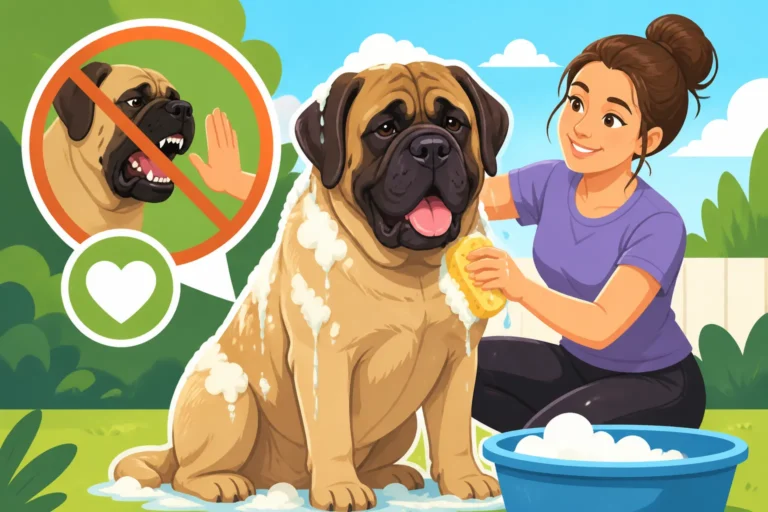
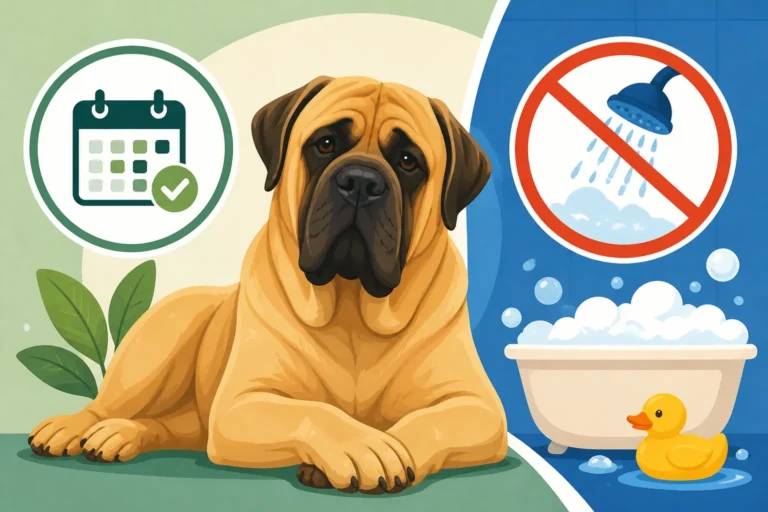
Regular bathing, especially during warm or humid weather, can also help keep the skin clean and reduce bacterial load. Just be sure to use a dog-specific shampoo and rinse thoroughly, ensuring no residue is left behind. Remember, Bathing a Mastiff You Cannot Lift Into a Tub offers practical tips for this substantial task. After every bath or swim, dry your Mastiff completely, paying extra attention to hidden areas where moisture can collect. A good quality dog dryer can be an invaluable tool. Consistent flea and tick prevention is also non-negotiable, as a single bite can trigger the itch-scratch cycle that leads to a hot spot.
Dietary Considerations and Supplements
What goes into your Mastiff's bowl can significantly impact their skin health. A high-quality diet provides the necessary nutrients for a strong immune system and healthy skin barrier. Look for foods with good sources of Omega-3 and Omega-6 fatty acids, which are known to support skin and coat health. Some Mastiff owners explore fresh food options, like those from Ollie, believing it can help reduce inflammatory responses that sometimes contribute to skin issues.
Consider incorporating fish oil supplements into your Mastiff's diet. These fatty acids can help reduce inflammation throughout the body, including the skin, making it more resilient to irritation. Always discuss any dietary changes or supplements with your veterinarian to ensure they are appropriate for your dog's specific needs and don't interact with any existing conditions or medications. A well-nourished Mastiff is better equipped to fight off skin infections and maintain a healthy coat.
Environmental Management
Your Mastiff's environment plays a crucial role in preventing hot spots. Humidity is a big culprit, as it fosters bacterial growth. During hot, humid months, ensure your Mastiff has access to air conditioning or fans to keep them cool and dry. If they spend time outdoors, provide plenty of shade and access to fresh, cool water. After a walk in damp grass or a dip in a pond, dry them off thoroughly, especially in their underbelly and folds.
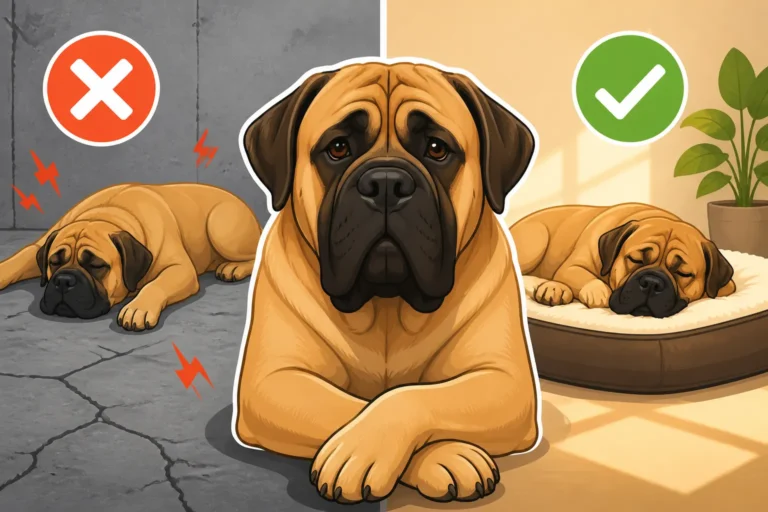
Regularly cleaning their bedding and living areas helps reduce allergens and bacteria that can trigger skin irritation. Consider using hypoallergenic bedding if your Mastiff seems prone to environmental allergies. Dust mites, pollens, and certain cleaning products can all be irritants. Pay attention to anything new in their environment – a new shampoo, a different laundry detergent for their blankets, or even a new type of treat – that might coincide with a hot spot flare-up. Eliminating potential triggers can be a key step in prevention.
Long-Term Management and Recurrence
Dealing with a hot spot isn't just a one-time fix; it often requires a long-term strategy, especially if your Mastiff is prone to them. It's about ongoing vigilance and understanding the underlying factors.
Working with Your Veterinarian
If your Mastiff experiences recurrent hot spots, establishing a strong partnership with your veterinarian is crucial. They can help you investigate potential root causes beyond surface-level irritation. This might involve allergy testing, which can range from blood tests to intradermal skin tests, to pinpoint environmental or food allergens. Understanding these triggers is foundational to a long-term prevention plan. Your vet might suggest prescription diets if food allergies are suspected, or specific medications for environmental allergies. They can also recommend a regimen of medicated shampoos or topical treatments to use preventatively, especially during high-risk seasons like summer. Don't be afraid to ask for a referral to a veterinary dermatologist if your Mastiff's skin issues are persistent and complex. These specialists have advanced tools and knowledge to tackle the toughest skin challenges. What a Mastiff Needs Every Day includes consistent veterinary care as a cornerstone of their well-being.
Addressing Underlying Issues
Hot spots are often just the tip of the iceberg, a visible symptom of a deeper problem. As mentioned, allergies are a huge factor. If your Mastiff has environmental allergies, managing them might involve antihistamines, immunotherapy (allergy shots), or even newer targeted medications that reduce itching and inflammation. For food allergies, a strict elimination diet under veterinary guidance might be necessary to identify the offending ingredients. Parasites like fleas are another common trigger; even if you don't see them, one bite can cause a cascade of itching in a sensitive dog. Consistent, veterinarian-recommended flea prevention is non-negotiable.
Boredom or anxiety can also manifest as excessive licking, leading to hot spots. Ensure your Mastiff gets adequate mental stimulation and appropriate exercise (remember, a Mastiff doesn't need grueling runs but rather consistent, moderate activity). Sometimes, behavioral modification or calming supplements can help reduce stress-related licking. Hormone imbalances, like hypothyroidism, can also impact skin health, making it more susceptible to infections. Your vet can perform blood tests to check for these conditions. Addressing these foundational issues is often the most effective way to break the cycle of hot spot recurrence.
Staying Vigilant
Even with the best preventative measures, hot spots can sometimes still sneak up on a Mastiff. This is where vigilance becomes your best friend. Make it a routine to thoroughly check your Mastiff's skin, especially in their folds, under their armpits, between their toes, and around their tail, during your daily petting sessions. These physical checks are far more effective than just waiting for visible signs or excessive licking. Early detection allows for immediate, simple intervention before the hot spot becomes a large, painful ordeal. If you know your Mastiff has seasonal allergies, be extra diligent during those times of the year. After outdoor activities, particularly in damp or dusty environments, do a quick inspection and wipe down their paws and any exposed skin. Keep their grooming routine consistent, including regular brushing, even though How Little Brushing a Mastiff's Coat Needs might suggest otherwise, as brushing can help you spot skin issues. A watchful eye and a consistent routine are your most powerful tools in keeping your Mastiff free from the misery of hot spots.
| Area of Concern | Mastiff Specific Risk Factors | Prevention Strategies |
|---|---|---|
| Skin Folds | Deep jowls, neck wrinkles, tail folds trap moisture and debris. | Daily cleaning with pet-safe wipes, ensuring thorough drying. Use medicated wipes if prone to infections. |
| Coat Type | Thick, dense coat can hold moisture against the skin. | Thorough drying after baths/swims, regular brushing to improve air flow. |
| Allergies | Prone to environmental and food allergies that cause itching. | Identify and avoid triggers, vet-prescribed allergy medications, high-quality diet with Omega fatty acids. |
| Parasites | Flea or mite bites can trigger intense itching and hot spots. | Consistent, vet-approved flea and tick prevention year-round. |
| Humidity | Warm, moist conditions are ideal for bacterial growth. | Provide air conditioning/fans, avoid prolonged exposure to dampness, dry after outdoor activity. |
| Self-Trauma | Licking/chewing due to itch perpetuates the hot spot. | Elizabethan collar (cone), deterrent sprays (vet-approved), addressing underlying itch. |
Disclaimer
This article is for general informational purposes only and does not constitute professional advice. Laws, prices and regulations vary by location and change over time. Consult a qualified professional for guidance on your specific situation.