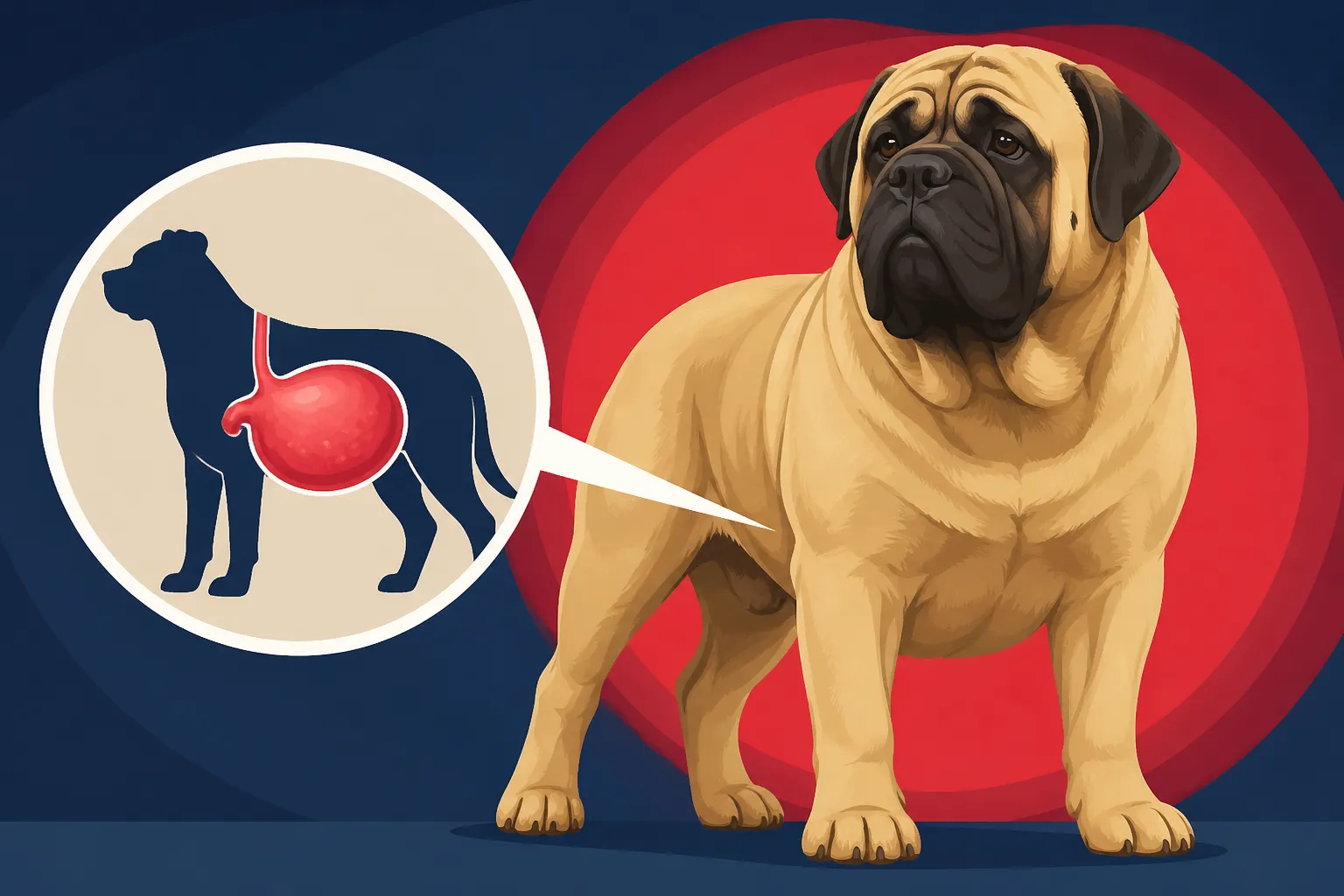
Bloat in the Deepest Chest of Any Breed: the Mastiff
There’s a silent, swift killer that stalks deep-chested dogs, and for us Mastiff owners, it’s a constant, terrifying shadow: bloat. Seeing your gentle giant suddenly restless, drooling, and trying desperately to vomit but producing nothing, fills you with a chilling dread that no one truly understands until they’ve lived it. This isn't just an upset stomach; it's a medical emergency that demands immediate, decisive action, and this guide is here to walk you through understanding it, preventing it, and acting quickly if it ever strikes your beloved Mastiff.
Understanding Gastric Dilatation-Volvulus: The Silent Killer
Bloat, or Gastric Dilatation-Volvulus (GDV), is a condition that every Mastiff owner fears, and for very good reason. It’s an incredibly rapid, excruciatingly painful, and often fatal event that can unfold in mere hours, leaving owners feeling helpless and terrified.
What Exactly Is Bloat GDV
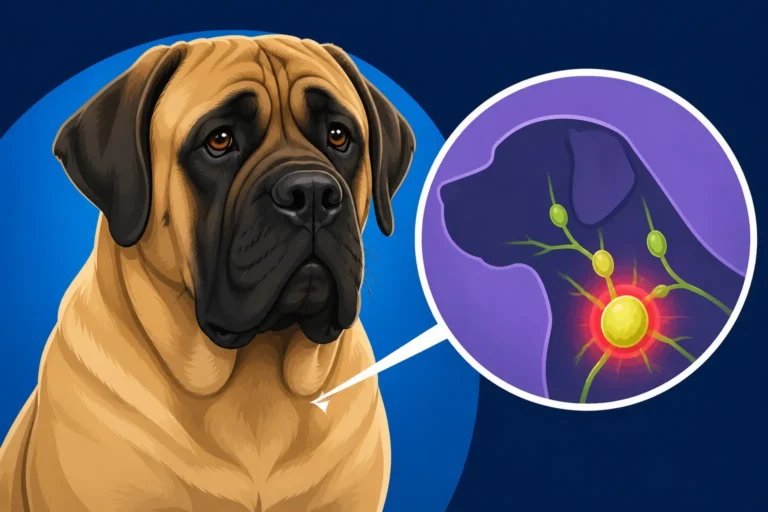
Imagine your Mastiff's stomach, usually a flexible bag, suddenly filling with gas and fluid, expanding like a balloon. That’s the "dilatation" part of GDV. This alone is incredibly painful, putting immense pressure on other organs and restricting blood flow. But the truly deadly part, the "volvulus," is when that distended stomach then twists on its axis. When the stomach twists, it effectively clamps off both the entry (esophagus) and exit (duodenum), trapping all that gas and fluid inside. It also cuts off its own blood supply and can impede blood flow to other vital organs, including the heart and lungs. The consequences are catastrophic: shock, organ damage, and ultimately, death, sometimes within hours if not treated immediately.
The sheer speed at which this can happen is what makes it so frightening. One moment your Mastiff might seem a little off, and the next, they're in critical condition. It leaves owners reeling, often questioning if they missed something or did something wrong. Please understand, GDV is often an unpredictable monster, and its onset can be incredibly subtle, even for the most vigilant owner. It's a truly harrowing experience, and your immediate reaction, not your prior knowledge, is often what makes the difference.
Why Mastiffs Are Particularly Susceptible
If you own a Mastiff, you're already acutely aware of their magnificent, deep chests. It's one of their most defining features, making them truly imposing and regal. Unfortunately, this very trait, combined with a generally loose abdominal ligament structure, makes them uniquely prone to bloat. Think of it like a pendulum: a deeper, narrower chest creates more "swing room" for the stomach to distend and then twist. While many large, deep-chested breeds are at risk, the Mastiff truly earns its place near the top of that list. You see, the Mastiff has the deepest chest of any breed, which means their stomach literally has more room to flip and turn when it starts to distend with gas. This isn't just a slight risk factor; it's a significant anatomical predisposition that we, as Mastiff owners, must always be mindful of.
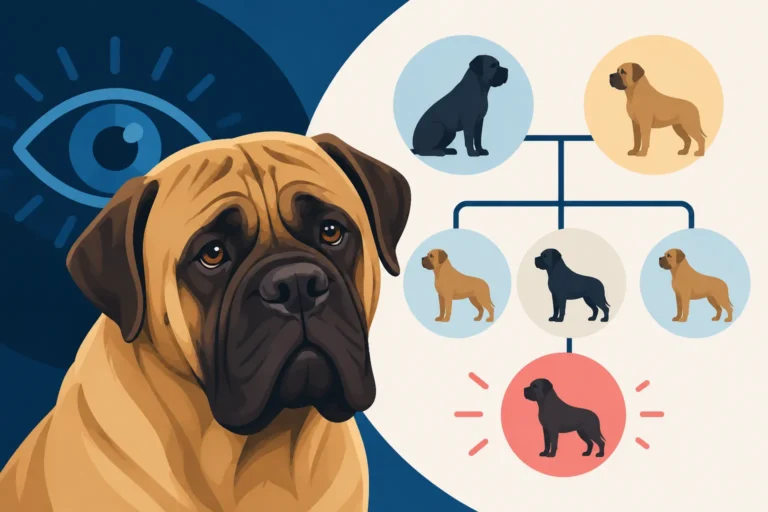
Beyond their physical build, there’s also a genetic component. While specific genes are still being researched, it's widely accepted that a family history of bloat increases a Mastiff's individual risk. If you know that your Mastiff's ancestors or siblings have experienced GDV, it adds another layer of concern. This confluence of anatomy and genetics means that prevention and rapid response aren't just good practices; they're essential for a Mastiff's well-being.
Recognizing the Early, Subtle Signs
The challenge with bloat is that the initial signs can be incredibly subtle, easily mistaken for minor discomfort or an upset tummy. This is particularly true for Mastiffs, who often have a stoic nature and might not overtly vocalize their pain until things are quite advanced. However, learning to spot these early clues can be life-saving.
Keep an eye out for:
- Restlessness and Pacing: Your usually calm Mastiff might seem agitated, unable to settle down. They may pace aimlessly, shift positions frequently, or keep getting up and lying down.
- Unproductive Retching or Dry Heaving: This is one of the most classic and concerning signs. Your dog will try to vomit, their body convulsing, but nothing, or maybe just a bit of foamy saliva, will come out. This indicates that the stomach is blocked.
- Distended or Taut Abdomen: In some cases, you might notice the abdomen, particularly on the left side behind the last rib, becoming visibly swollen or feeling hard and drum-like when you gently tap it. However, this isn't always immediately obvious, especially in a heavily muscled or furry Mastiff, or in the very early stages.
- Excessive Drooling: More drooling than usual can be a sign of nausea or discomfort.
- Panting or Labored Breathing: As pressure builds, it can affect your dog's ability to breathe comfortably.
- Whining or Groaning: While Mastiffs can be stoic, intense pain might elicit low moans or whimpers.
- Lethargy and Weakness: As bloat progresses and shock sets in, your Mastiff may become weak, unresponsive, and collapse.
- Pale Gums: A sign of compromised circulation.
It's truly heartbreaking to watch your beloved dog in such distress. The key is to trust your gut. If your Mastiff is acting "off" in any way, especially if they are trying to vomit without success, don't wait. Even a slight change in behavior from your normally placid companion should trigger an immediate call to your veterinarian. Remember, with bloat, every minute counts.
The Race Against Time: First Steps When Bloat Strikes
Once you suspect bloat, the clock starts ticking. This isn't a situation for "let's wait and see" or "maybe it will pass." This is an absolute, undeniable emergency.
Immediate Veterinary Care Is Non-Negotiable
If you suspect bloat, your immediate priority is getting your Mastiff to an emergency veterinary clinic. Seriously, drop everything. Do not call your regular vet first if it's outside of business hours; go directly to the nearest 24/7 emergency facility. Time is the most critical factor here. We're talking about a matter of minutes, not hours, that can differentiate between a successful outcome and a devastating loss. It's often said that "How Long a Bloating Mastiff Has Before Surgery" can be a matter of hours, but truly, the sooner, the better. Delaying even for "a few hours to see if they get better" can be fatal.
Trying to treat bloat at home with home remedies is not only ineffective but incredibly dangerous. There's no magical pill or technique you can administer that will untwist a stomach or safely decompress the gas. This is a complex medical emergency requiring immediate professional intervention, specialized equipment, and skilled veterinary hands. The emotional burden of seeing your Mastiff in such distress, knowing you need to act fast, is immense. But your swift action is their only chance.
What to Communicate to Your Vet
When you arrive at the emergency clinic, you'll be anxious, and your Mastiff will be in distress. Being able to provide clear, concise information to the veterinary staff can save precious time and help them prioritize care.
Here's what they'll need to know:
- When did you first notice symptoms? Be as specific as possible about the onset time.
- What specific symptoms are you seeing? Unproductive retching, pacing, distended abdomen, lethargy, etc.
- When was their last meal and drink?
- What did they eat? (Though usually less critical than the timing).
- Have they had a history of bloat or any other gastrointestinal issues?
- Are they on any medications?
- Do you know if any relatives (parents, siblings) have had bloat?
Don't worry about forgetting something; the veterinary team is trained to ask probing questions. The most important thing is to get your Mastiff through the door. While they're assessing your dog, take a deep breath. They understand the gravity of the situation and will move quickly.
Stabilizing Your Mastiff at the Clinic
Once your Mastiff is at the clinic, the veterinary team will jump into action. Their first priority is to stabilize your dog and assess the severity of the bloat. This initial phase is crucial, as GDV can quickly lead to shock and cardiac complications.
Typical initial steps include:
- Physical Examination: A rapid but thorough check of vital signs, gum color, capillary refill time, and palpation of the abdomen.
- IV Fluids: An intravenous catheter will be placed to administer fluids rapidly. This helps combat shock, maintain blood pressure, and improve circulation to vital organs.
- Pain Medication: Strong pain relief will be administered. A dog experiencing bloat is in immense pain, and managing this is not only humane but also aids in stabilization.
- Stomach Decompression (if possible): The vet may attempt to pass a tube down your Mastiff's esophagus into the stomach to relieve the gas pressure. If the stomach is twisted, this might not be possible. In such cases, a large bore needle or trocar may be inserted through the abdominal wall directly into the stomach to release the trapped gas, providing temporary relief and stabilizing the dog for surgery.
- X-rays: Radiographs of the abdomen are essential to confirm the diagnosis of GDV and determine if the stomach has twisted. This helps the surgical team prepare.
- Bloodwork: Blood tests will be run to check for electrolyte imbalances, organ damage, and overall health status, which helps guide treatment.
The goal of this stabilization phase is to get your Mastiff into the best possible condition before they undergo surgery. It's an incredibly stressful time, but knowing these steps are happening can offer a small measure of comfort, as the team works tirelessly to give your Mastiff the best chance at survival.
Surgical Intervention: The Gastropexy Lifeline
For a twisted stomach, surgery is the only definitive treatment. This procedure, known as gastropexy, is critical for survival and long-term prevention.
What Gastropexy Entails
Gastropexy is a surgical procedure where the stomach is permanently "tacked" or sewn to the abdominal wall. The primary goal of a gastropexy is not to prevent bloat (the gas accumulation) but to prevent the volvulus – the life-threatening twisting of the stomach. So, while a gastropexied Mastiff can still get gas in their stomach, it won't be able to rotate, which means the condition won't progress to the deadly GDV.
There are a few different techniques for performing a gastropexy:
- Incisional Gastropexy: This is the most common and involves making a small incision in the outer muscular layer of the stomach and then suturing it to the inside of the abdominal wall.
- Circumcostal Gastropexy: Less common, this technique involves creating a flap of stomach wall and wrapping it around a rib before suturing it back on itself.
- Laparoscopic Gastropexy: This minimally invasive technique uses a camera and specialized instruments inserted through small incisions. It results in less pain and a faster recovery, but not all veterinary hospitals are equipped to perform it, and it's often done prophylactically rather than during an emergency.
- Open Abdominal Gastropexy: In an emergency GDV situation, an open abdominal surgery is usually performed. The surgeon manually untwists the stomach, checks for any tissue damage, and then performs the gastropexy.
The surgeon will also thoroughly inspect the stomach and spleen for any damage due to the lack of blood flow. In severe cases, parts of the stomach or even the spleen may need to be removed if the tissue has become necrotic (died). This adds to the complexity and recovery time. It's a significant surgery, but for a Mastiff, it's often the only option when bloat strikes.
The Benefits of Prophylactic Gastropexy
Given the Mastiff's high susceptibility to GDV and the incredibly high mortality rate of emergency bloat surgery, many owners and veterinarians advocate for a prophylactic gastropexy. This means performing the surgery as a preventative measure before a bloat episode ever occurs.
The most common time to consider this is concurrently with another planned surgery, such as spaying or neutering. "When a Mastiff's Gastropexy Should Be Done" is often recommended to align with these procedures, typically around 6-12 months of age, as it minimizes the number of times your Mastiff needs to go under anesthesia. Prophylactic gastropexy dramatically reduces the risk of future GDV by about 90-95%. This is a huge peace of mind for Mastiff owners, as it removes the constant dread of the stomach twisting.
The decision to undergo prophylactic gastropexy is a personal one, often weighing the costs and risks of an elective surgery against the far greater risks and costs of an emergency GDV. For many Mastiff owners, the thought of preventing such a terrifying event is well worth it. It’s a proactive step that can add years to your Mastiff’s life and spare you and your dog immense suffering. When considering this, it's wise to discuss the procedure in detail with your vet, exploring both the open and laparoscopic options, and understanding the recovery process.
Recovery and Post-Operative Care
After a gastropexy, especially an emergency one for a twisted stomach, your Mastiff will require intensive post-operative care. They might stay in the veterinary hospital for several days for monitoring. Remember that anesthesia is riskier in a Mastiff due to their size and unique physiology, so careful monitoring is essential.
During this time, they'll receive:
- Pain Management: Continuous pain relief is crucial for comfort and healing.
- IV Fluids and Medications: To support recovery, address any complications, and prevent infections.
- Monitoring for Complications: Vets will watch closely for arrhythmias (heart rhythm abnormalities, common after GDV), peritonitis (infection in the abdominal cavity), or further stomach issues.
- Gradual Reintroduction of Food and Water: Small, frequent meals of easily digestible food will be started once tolerated.
Once your Mastiff comes home, your role in their recovery is paramount.
- Restrict Activity: This means no running, jumping, or strenuous play for several weeks. Leash walks for potty breaks only are usually recommended. For a large, powerful breed, this can be challenging, but it’s vital to allow the surgical site to heal properly and prevent complications.
- Wound Care: You’ll need to keep the incision site clean and dry and monitor for any signs of redness, swelling, or discharge. An Elizabethan collar (cone) might be necessary to prevent licking.
- Medication Administration: You’ll likely have a regimen of pain medications and possibly antibiotics to administer at home.
- Observe Closely: Continue to watch for any signs of discomfort, vomiting, lethargy, or changes in appetite. Even a gastropexied Mastiff can still bloat (without twisting), so vigilance remains important. "Whether a Gastropexied Mastiff Can Still Bloat" is a valid concern, and while the twist is prevented, gas accumulation can still cause distress.
Recovery from GDV surgery can be a long road, but with your diligent care and your vet's guidance, most Mastiffs can return to a good quality of life.
Mitigating Risks and Proactive Prevention Strategies
While you can't eliminate the risk of bloat entirely in a Mastiff, there are several proactive measures you can take to significantly reduce the likelihood of this life-threatening event.
Feeding Practices to Reduce Bloat Risk
The way you feed your Mastiff can have a substantial impact on their bloat risk. Here are some key strategies:
- Multiple Small Meals: Instead of one large meal a day, break your Mastiff's daily food allowance into two or three smaller meals. "Whether Two Meals a Day Lower a Mastiff's Bloat Risk" is a common question, and yes, it does help. Large meals can cause the stomach to distend more rapidly. For a giant breed like a Mastiff, dividing their food ensures they aren't gorging.
- Slow Down Eating: Mastiffs, like many large breeds, can be enthusiastic eaters. Rapid ingestion of food often means gulping down a lot of air along with their kibble. Invest in a "slow feeder" bowl, which has obstacles or mazes that force your dog to eat around them, significantly slowing down their mealtime. "Whether a Slow Feeder Reduces a Mastiff's Bloat Risk" is generally accepted as a helpful preventative measure. You can also try placing a large, clean rock or a tennis ball in their regular bowl, forcing them to eat around it (just make sure it's too big to swallow).
- Avoid Rapid Diet Changes: Any sudden changes to your Mastiff's diet can upset their digestive system and potentially lead to excess gas production. If you need to switch foods, do so gradually over 7-10 days, mixing increasing amounts of the new food with decreasing amounts of the old.
- High-Quality, Large Breed Specific Food: While the jury is still out on specific ingredients, feeding a high-quality kibble formulated for large or giant breeds, which often has a balanced protein-to-fat ratio, can support digestive health. Avoid foods with obscure ingredients or excessive fermentable carbohydrates that might lead to more gas.
These seemingly small adjustments to your Mastiff's feeding routine can make a big difference in their overall digestive comfort and bloat prevention.
Managing Exercise Around Meals
The timing of activity around meals is another critical factor in reducing bloat risk. It's not just about what they eat, but what they do before and after.
- The "Rest Before and After" Rule: Never allow your Mastiff to engage in strenuous exercise, vigorous play, or even excessive excitement for at least one hour before eating and at least two hours (preferably three or four) after eating. This is often referred to as "How Long a Mastiff Must Rest After a Meal," and it's a golden rule for bloat prevention. Intense activity can cause the stomach to churn and potentially twist, especially when it's full. A simple, calm potty break is fine, but anything more should be avoided.
- Avoid Gulping Water Post-Meal: While fresh water should always be available, try to limit large volumes of water immediately after a meal. A full stomach combined with excessive water intake can increase distension. You can offer smaller amounts more frequently or remove the water bowl for about an hour after a meal if your Mastiff tends to chug.
- Minimize Stress Around Meals: Stress can also contribute to bloat. Ensure your Mastiff has a calm, quiet place to eat, free from other pets or disruptions.
These practices help ensure that your Mastiff’s digestive system isn’t put under unnecessary strain when it’s working hard to process food.
Bowl Height and Water Intake
The debate around elevated food bowls and bloat risk has been ongoing for years, and the current scientific understanding has actually shifted from older recommendations.
- The Elevated Bowl Debate: For a long time, it was thought that feeding from an elevated bowl would reduce bloat risk by allowing dogs to eat more comfortably and swallow less air. However, a large study conducted by Purdue University in the early 2000s actually found that elevated feeders increased the risk of GDV in large and giant breeds. While the exact reasons aren't fully understood, one theory suggests that an elevated bowl might encourage faster eating or position the stomach in a way that makes twisting more likely. Therefore, based on current research, it is generally recommended to feed Mastiffs from bowls placed on the floor. If your Mastiff struggles to reach a floor-level bowl due to arthritis or other mobility issues, consult your vet about the safest feeding posture. "Whether Bowl Height Changes a Mastiff's Bloat Risk" is a critical question, and the current consensus leans towards floor-level bowls.
- Consistent Water Access: Always ensure your Mastiff has access to fresh, clean water throughout the day. Dehydration can lead to a host of health problems. However, as mentioned before, try to moderate large gulps of water immediately after meals or strenuous activity. Offering ice cubes after a walk can be a good way to hydrate slowly without encouraging rapid gulping.
By being mindful of these feeding and hydration practices, you can further stack the odds in your Mastiff's favor against bloat.
Lifestyle and Environmental Factors
Beyond feeding practices, certain lifestyle and environmental elements can also play a role in a Mastiff's susceptibility to bloat.
Stress and Anxiety as Potential Triggers
It might sound surprising, but stress and anxiety can definitely be "What Triggers Bloat in a Mastiff." Just like in humans, stress can wreak havoc on a dog's digestive system. A Mastiff who is chronically anxious, or one who experiences acute stress, may be more prone to gastrointestinal issues, including bloat.
Consider these scenarios:
- Major Life Changes: Moving to a new home, the introduction of a new pet or family member, or the loss of a companion can be very stressful for a sensitive Mastiff.
- Travel and Vet Visits: For some dogs, car rides or trips to the vet can be incredibly anxiety-inducing.
- Thunderstorms or Fireworks: Loud noises and unsettling events can cause significant stress.
- Separation Anxiety: While Mastiffs generally cope well with being alone for reasonable periods, some can develop separation anxiety, leading to destructive behaviors and heightened stress.
Maintaining a calm, consistent routine for your Mastiff is paramount. Providing them with a secure environment, plenty of predictable interaction, and positive reinforcement training can help manage their stress levels. If your Mastiff exhibits significant anxiety, discuss strategies with your vet or a professional dog behaviorist, as managing this stress could indirectly contribute to bloat prevention.
Age and Genetics: Unchangeable Factors
While we can modify diet and activity, some risk factors for bloat are simply inherent to being a Mastiff, and particularly to being an aging Mastiff.
- Age: The risk of bloat generally increases with age. While it can occur at any age, middle-aged to senior Mastiffs (typically 5 years and older) seem to be at higher risk. As dogs age, their gastric ligaments can become looser, making the stomach more prone to twisting.
- Genetics: As discussed earlier, there's a clear genetic predisposition to bloat in certain lines. This is why choosing a reputable Mastiff breeder is so incredibly important. A responsible breeder will be transparent about the health history of their breeding stock, including any incidence of bloat in their lines. They should be actively working to breed away from this devastating condition. While you can't change your Mastiff's genetic makeup, being aware of their family history allows you to be extra vigilant and proactive with preventative measures.
These are factors we cannot change, but understanding them empowers us to be more attentive to our Mastiffs as they age and to make informed decisions about where our puppies come from.
The Role of Supplements and Diet in Prevention
The right diet and thoughtful use of supplements can play a supportive role in maintaining digestive health and potentially lowering bloat risk, though they are not a substitute for proper feeding practices or veterinary care.
- Probiotics and Digestive Enzymes: Some owners choose to add probiotics or digestive enzymes to their Mastiff's food. These can help maintain a healthy gut microbiome, which in turn supports efficient digestion and may reduce excessive gas production. However, always consult your veterinarian before adding any supplements, especially for a giant breed. They can advise on appropriate dosages and reputable brands.
- High-Quality Diet: While there's no single "anti-bloat" food, a consistent diet of high-quality kibble that avoids excessive fillers, artificial ingredients, or ingredients that cause your individual Mastiff digestive upset, is beneficial. Some studies have suggested that foods with fat listed among the first four ingredients might be associated with higher bloat risk, but more research is needed. Discuss your Mastiff's diet with your vet to ensure it meets their specific needs.
- Fish Oil: While primarily known for its benefits for joints and coat, Omega-3 fatty acids found in fish oil can support overall health, including potentially reducing inflammation in the gut. Again, consult your vet for appropriate dosages for your giant breed.
It's crucial to remember that supplements are complementary; they are not a magic bullet and should never replace veterinary advice or established preventative feeding protocols. They are just one piece of the puzzle in holistic Mastiff care.
Living with a Mastiff Post-Bloat or Post-Gastropexy
Bringing your Mastiff home after a bloat scare, or having opted for a prophylactic gastropexy, brings a mix of relief and continued vigilance. The journey doesn't end after surgery; it merely shifts.
Understanding Residual Risks
Even with a gastropexy, it's vital to understand that the procedure prevents the stomach from twisting, but it does not prevent the stomach from dilating (bloating with gas). "Whether a Gastropexied Mastiff Can Still Bloat" is a common and valid question, and the answer is yes, they can. However, the critical difference is that without the twist, the gas can usually escape, and the condition is far less life-threatening and painful.
You still need to be aware of the signs of bloat: restlessness, unproductive retching, drooling. If you see these symptoms in a gastropexied Mastiff, it warrants a vet visit, though it's typically less urgent than a full GDV. Your vet might recommend medications to relieve gas or address underlying digestive issues. Continuing with all the preventative feeding and activity strategies mentioned earlier is still essential to minimize even non-twisting bloat episodes. The peace of mind from a gastropexy is immense, but it's not a license to become complacent.
The Financial Reality of Bloat Treatment
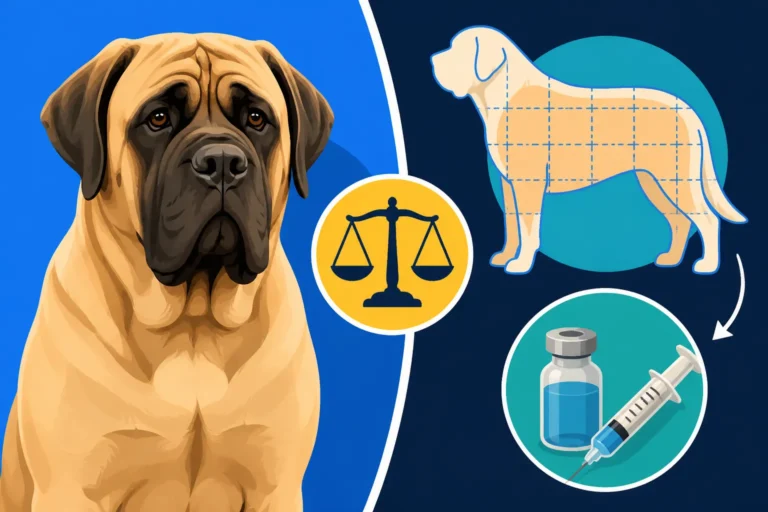
Let's be brutally honest: owning a Mastiff is not for the faint of heart, financially speaking. Every line on the vet invoice for a giant breed tends to be significantly higher due to the sheer volume of medication, anesthetic, and supplies needed. "What a Mastiff's Weight Does to Every Line on the Vet Invoice" is a stark reality, and a bloat emergency is perhaps the most expensive demonstration of this.
An emergency GDV surgery can easily run into thousands of dollars, often ranging from $3,000 to $10,000 or more, depending on your location, the time of night, and whether complications arise. This cost includes the surgery itself, post-operative care, medications, imaging, and extended hospital stays. This financial burden, coupled with the emotional stress, can be overwhelming.
This is precisely why pet insurance is often an invaluable investment for Mastiff owners. Companies like Healthy Paws can provide significant coverage for emergency procedures like GDV, helping to alleviate the financial strain during an already harrowing time. Having insurance can allow you to make medical decisions based on what's best for your Mastiff, rather than being solely driven by cost. It's a pragmatic decision that truly reflects responsible giant breed ownership.
Ongoing Monitoring and Owner Vigilance
Living with a Mastiff who has had bloat, or who is gastropexied, means maintaining a high level of owner vigilance for the rest of their lives. It's about knowing your dog better than anyone else.
- Know Their Normal: Pay close attention to your Mastiff's daily routine, appetite, energy levels, and bathroom habits. Any deviation from their "normal" could be a subtle sign of an issue.
- Daily Checks: A quick visual check of their abdomen, noting if it seems distended or unusually taut, can become part of your daily routine.
- Be Prepared: Know the location and phone number of your nearest 24/7 emergency veterinary clinic. Keep it programmed in your phone and visible at home. Consider having a pet first-aid kit that includes things like gas-reducing medications (under vet guidance) to have on hand for non-twisting bloat episodes, though these are never a substitute for vet care in an emergency.
- Educate Family and Sitters: Ensure anyone who cares for your Mastiff understands the signs of bloat and knows what to do in an emergency.
This constant awareness isn't about living in fear, but rather living with informed preparedness. It’s an act of deep love and commitment to your gentle giant.
Navigating the Emotional Toll of Bloat
Bloat isn't just physically devastating for a Mastiff; it takes an immense emotional toll on their human companions, too. It's a whirlwind of fear, guilt, and profound anxiety.
The Fear and Guilt of a Bloat Episode
When bloat strikes, the fear is palpable. Seeing your magnificent Mastiff in such obvious pain, struggling to breathe, and knowing their life hangs in the balance, is a gut-wrenching experience. Many owners immediately go to a place of guilt: "Did I feed them too fast? Did I let them play too much? Did I miss the signs earlier?" This self-blame is a natural, albeit unfair, reaction to such a sudden and severe crisis.
It's crucial to acknowledge these feelings, but also to remember that bloat is often unpredictable. While preventative measures reduce risk, they don't eliminate it. You are doing your best by your Mastiff, and if an episode occurs, your swift action is the most important thing. The veterinary team understands the emotional weight you carry, and they are there to support both you and your dog. Don't let guilt paralyze you; channel that energy into decisive action for your Mastiff.
Supporting Your Mastiff Through Recovery
If your Mastiff undergoes surgery and makes it through, the recovery period is a time for immense relief, but also continued dedication. Your presence and calm demeanor are incredibly therapeutic for your dog.
- Provide a Calm, Comfortable Space: Set up a quiet, easily accessible recovery area with soft bedding where your Mastiff can rest undisturbed. A large, orthopedic bed is ideal for their joints anyway, but especially important during recovery.
- Gentle Affection: Offer soft words, gentle petting, and reassurance. Your Mastiff will pick up on your anxiety, so try to remain as calm as possible.
- Adhere Strictly to Vet Instructions: This means precise medication timing, diet restrictions, and activity limitations. No cheating! A few extra minutes of a walk or a forbidden treat could set back their recovery.
- Monitor for Pain and Discomfort: Even with medication, watch for signs that your Mastiff is still in pain and report it to your vet.
- Patience is Key: Recovery is a process. There will be good days and challenging days. Celebrate small victories and be patient with your Mastiff as they regain their strength and comfort. Caring for a Mastiff past five years often means facing more health challenges, and bloat can certainly be one of the most serious.
This period of nursing your Mastiff back to health strengthens your bond in ways you never thought possible.
Preparing for the Unthinkable
No one wants to think about losing their beloved companion, especially not to something as sudden as bloat. However, part of responsible Mastiff ownership, given their susceptibility to serious health issues and relatively short lifespan, is being prepared for difficult decisions.
- Have the Conversation Early: Discuss quality of life and end-of-life options with your vet before an emergency strikes. Knowing your wishes in advance can make an agonizing decision slightly less overwhelming in the heat of the moment.
- Understand Prognosis: In an emergency bloat situation, the vet will give you an honest assessment of your Mastiff's chances of survival and the potential for complications. Sometimes, despite best efforts, the damage is too severe, or the financial and emotional toll becomes unsustainable.
- Focus on Comfort: If the prognosis is poor or treatment isn't feasible, the most loving choice may be to prevent further suffering. This is an incredibly personal and heartbreaking decision, but one that comes from a place of deep love and compassion.
The journey with a Mastiff is full of immense joy, but also significant responsibilities and, at times, profound sorrow. Being prepared for bloat, both practically and emotionally, is one of the most critical ways we can care for these magnificent, vulnerable dogs.
| Symptom Category | Specific Signs to Watch For | Immediate Action |
|---|---|---|
| Gastrointestinal | Unproductive retching/dry heaving, excessive drooling, distended/hard abdomen | EMERGENCY VET IMMEDIATELY. Do not wait. |
| Behavioral | Restlessness, pacing, unable to settle, whining, groaning, acting "off" | EMERGENCY VET IMMEDIATELY. Even if unsure, better safe than sorry. |
| Physical | Labored breathing, rapid shallow breathing, pale gums, weakness, collapse, increased heart rate | EMERGENCY VET IMMEDIATELY. These indicate advanced shock. |
| Prevention – Daily | Eating too fast, large meals, activity post-meal | Use slow feeder, multiple small meals, strict rest before/after meals (2-4 hours). |
| Prevention – Proactive | No gastropexy in at-risk Mastiff | Discuss prophylactic gastropexy with your vet, especially during spay/neuter. |
| Financial | No pet insurance or emergency fund | Consider pet insurance (e.g., Healthy Paws) or establish a dedicated emergency fund. |
Disclaimer
The information provided in this article is for educational purposes only and should not be considered a substitute for professional veterinary advice. Always consult with a qualified veterinarian for any health concerns or before making any decisions about your Mastiff's care.