Whether a Mastiff’s Lip Folds Trap Food
If you're a Mastiff owner, you've likely seen it – that little bit of kibble stubbornly lodged in a jowl fold, or a tell-tale smear of food tucked away after mealtime. It's a common frustration, not just because it's messy, but because you worry about what it means for your beloved giant's health. This guide is here to walk you through why those magnificent lip folds are prone to trapping food, the potential issues this creates, and most importantly, how to keep your Mastiff's mouth clean and healthy.
The Unique Anatomy of a Mastiff's Mouth and Why Food Gets Trapped
Mastiffs are undeniably majestic, with their broad heads and impressive jowls. These distinctive features are part of what makes them so endearing, but they also create unique challenges when it comes to oral hygiene. It's not just a superficial aesthetic; their facial structure directly impacts how they eat and how prone they are to food getting stuck.
Understanding Those Magnificent Jowls
A Mastiff's jowls are those wonderfully loose, pendulous lips that hang down from their majestic muzzle. While they contribute to the breed's classic "slobbery giant" look, they're also incredibly effective at collecting and holding onto things. Imagine trying to eat soup from a spoon while wearing a loose, baggy shirt – some of it is bound to spill and get caught in the fabric. A Mastiff's jowls, while not quite that extreme, function in a similar way. They create natural pockets and folds around the mouth, especially at the corners, which are perfectly designed to catch anything that doesn't quite make it into the gullet. These folds aren't just for show; they're a remnant of their ancestral purpose, helping them grip prey, but in modern life, they primarily trap food and moisture.
How Food and Drool Become a Problem
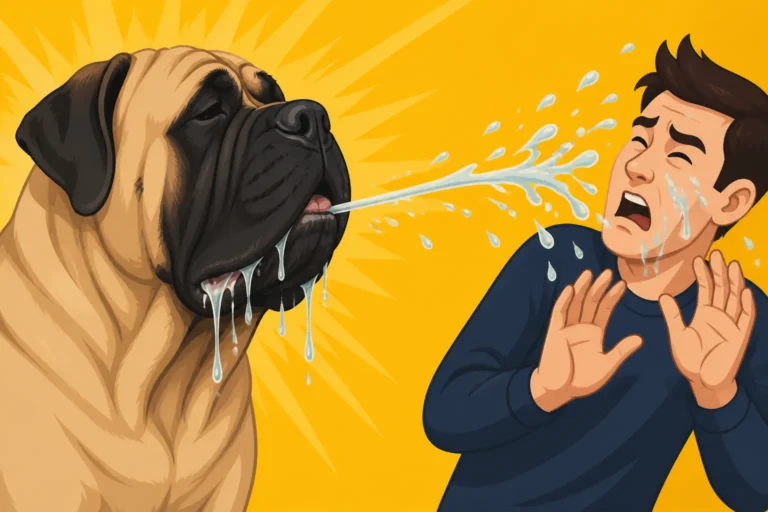
When your Mastiff eagerly dives into their dinner, bits of kibble, moist food particles, and even water can easily get pushed into these deep folds. Their powerful jaws and broad muzzle mean they scoop and chew with gusto, and it’s almost inevitable that some debris will migrate into the crevices rather than being swallowed. Combine this with the sheer volume of drool that many Mastiffs produce – a natural lubricant for digestion and a coolant for their massive bodies – and you have a perfect storm. This excess moisture can turn trapped food into a warm, damp, and nutrient-rich environment, an ideal breeding ground for bacteria and yeast. It’s not just about the solid food, either. Even after a drink, water can remain in those folds, keeping the area perpetually moist. If you've ever had a Mastiff lean its wet jowl on your leg after a drink, you know exactly what I mean! The Anatomy Behind a Mastiff's Drool is a fascinating read on this very topic.
More Than Just Mess: The Health Implications
The presence of trapped food and constant moisture isn't just a nuisance; it's a significant health concern. These tucked-away bits of food aren't just unsightly; they can become potent irritants. Think about how uncomfortable a small piece of food stuck between your teeth can be; now imagine it festering in a warm, dark, moist skin fold for hours or even days. This isn't just about discomfort; it sets the stage for a range of issues. Without regular cleaning, this environment can lead to localized inflammation, skin irritation, and eventually, full-blown infections. It’s a preventable problem, but one that requires consistent vigilance from dedicated Mastiff owners.
The Unpleasant Consequences of Neglected Lip Folds
Ignoring the minor inconvenience of food-trapping jowls can quickly escalate into more serious, and certainly more unpleasant, health issues for your Mastiff. It's not just about aesthetics; it's about comfort, hygiene, and preventing pain.
The Smell No One Talks About: Odor Buildup
Let's be blunt: a neglected Mastiff jowl can get stinky. That warm, moist environment where food particles and drool gather is a haven for bacteria and yeast. As these microorganisms multiply and break down the organic matter, they release volatile compounds that produce a distinct, unpleasant odor. It’s often described as a yeasty, sour, or even rotten smell. You might notice it most when your Mastiff is sleeping nearby, or when they shake their head and the scent wafts towards you. This isn't just a minor issue; it's a clear indicator that something is amiss in those folds. If you've ever thought, "Does my dog have bad breath, or is it something else?", often, with a Mastiff, the answer lies in those neglected facial folds. It’s similar to Whether a Mastiff's Fold Smells Yeasty, which covers general fold hygiene.
Skin Fold Dermatitis and Other Infections
The constant dampness and trapped debris create the perfect conditions for skin fold dermatitis. This is an inflammatory condition where the skin within the folds becomes irritated, red, and itchy. Left untreated, this irritation can easily progress to bacterial or yeast infections. You might notice redness, swelling, hair loss in the affected area, or even discharge that can range from clear to yellowish or bloody. Your Mastiff might rub their face more, paw at their mouth, or become sensitive to touch around their jowls. These infections can be quite painful and can even spread if not addressed promptly. It's a prime example of Signs a Mastiff's Fold Has Become Infected. Without intervention, these localized issues can become persistent problems requiring veterinary attention and potentially strong medication.
Dental and Oral Health Concerns
While the primary concern with lip folds trapping food is skin health, there's a secondary impact on overall oral hygiene. Food that sits against the teeth, even if external to the gum line, can contribute to bacterial overgrowth in the mouth. While a Mastiff's sheer size often means their diet is primarily kibble, and the risk of severe dental disease from lip folds trapping chewed food is less direct than, say, from plaque, the general increase in oral bacteria isn't ideal. More importantly, dogs with uncomfortable or infected lip folds may avoid having their mouths touched, making routine dental care like brushing even more challenging. If your Mastiff is resisting having their teeth cleaned, it might be worth checking those jowls first for any hidden irritation.
Daily Care and Prevention: Keeping Your Mastiff's Mouth Clean
The good news is that preventing these issues is largely about consistent, proactive care. It takes a little dedication, but establishing a routine for your Mastiff's lip folds can save you a lot of heartache (and vet bills!) down the line.
Essential Tools for Lip Fold Maintenance
You don't need a professional grooming kit to keep your Mastiff's lip folds clean, but having the right tools on hand makes a big difference.
- Soft cloths or cotton pads: These are indispensable. Choose soft, absorbent materials that won't irritate delicate skin. Microfiber cloths work well, or you can even repurpose old, clean t-shirts.
- Gentle cleaning solution: Plain warm water is often sufficient for daily cleaning. For more thorough cleaning or if there's a mild odor, you can use a diluted veterinary-approved antiseptic wipe or solution. Many owners find chlorhexidine wipes effective, which you can often find on sites like Chewy or Amazon. Always ensure any product you use is safe for dogs and designed for use on sensitive skin. Avoid human baby wipes unless they are specifically formulated for pets and pH-balanced. What to Clean a Mastiff's Wrinkles With offers more specific product recommendations.
- Drying agent: After cleaning, it's crucial to dry the folds thoroughly. A soft, dry cloth is usually enough. For very deep folds or if your Mastiff is particularly prone to moisture, you might use a tiny dusting of cornstarch (unscented) to absorb excess moisture, though always consult your vet first.
- Treats: Don't underestimate the power of positive reinforcement! Having some high-value treats on hand will make this routine a much more pleasant experience for your Mastiff.
| Cleaning Tool | Purpose | Considerations | Where to Find |
|---|---|---|---|
| Soft Cloth/Cotton Pads | Gentle cleaning and drying | Choose non-abrasive, absorbent material | Household items, pet stores, Amazon |
| Pet-Safe Wipes | Quick clean, mild antiseptic action | Check ingredients for alcohol/harsh chemicals | Chewy, local pet store |
| Diluted Chlorhexidine | Antiseptic solution for deeper cleaning | Vet-recommended concentration; avoid ingestion | Vet clinics, specialty pet supply (Amazon) |
| Unscented Cornstarch | Moisture absorption (use sparingly) | Consult vet first; avoid inhalation | Grocery stores, Amazon |
| High-Value Treats | Positive reinforcement | Make the experience enjoyable for your Mastiff | Any pet store, Chewy, Ollie (meal toppers) |
Step-by-Step Cleaning Routine
Making lip fold cleaning a regular, positive experience is key. Start slow, be patient, and always end on a good note.
- Gather your supplies: Have your cloths, cleaning solution, and treats ready.
- Choose a calm time: Pick a moment when your Mastiff is relaxed, perhaps after a nap or a gentle walk.
- Positive introduction: Start by gently touching your Mastiff's face and jowls, offering praise and treats. You want them to associate this area with positive interactions.
- Gently lift the jowl: With one hand, gently lift and pull back the loose skin of the jowl to expose the underlying folds. This is where most of the trapped food and moisture will be hiding.
- Wipe gently: Take a damp cloth or a pet-safe wipe and gently clean inside the folds. Wipe away any visible food debris, drool, or reddish-brown residue. Be thorough but gentle, never scrubbing aggressively. You’ll be surprised how much gunk can accumulate!
- Check for irritation: As you clean, visually inspect the skin for any redness, swelling, sores, or unusual odors. This is your early warning system for potential infections.
- Dry thoroughly: This step is crucial. Using a separate, dry cloth or cotton pad, gently dry the cleaned folds. Moisture is the enemy of healthy skin in these areas.
- Reward and praise: Shower your Mastiff with praise and immediately give them a high-value treat. This reinforces the positive association.
- Frequency: For most Mastiffs, a quick wipe-down daily is ideal, especially after meals and drinking. A more thorough cleaning might be needed every 2-3 days, or as often as your individual dog requires based on their jowl depth and drool production.
Consistency truly is your best friend here, just like with The Wrinkles and Folds a Mastiff Owner Cleans Every Week.
Dietary Considerations to Minimize Mess
While you can't completely eliminate the risk of food getting stuck, certain dietary choices and feeding practices can help minimize the mess.
- Kibble size and shape: Extremely small kibble can sometimes be harder for Mastiffs to "contain" in their mouths, leading to more particles escaping into the folds. Larger, denser kibble pieces might be easier for them to pick up and chew cleanly.
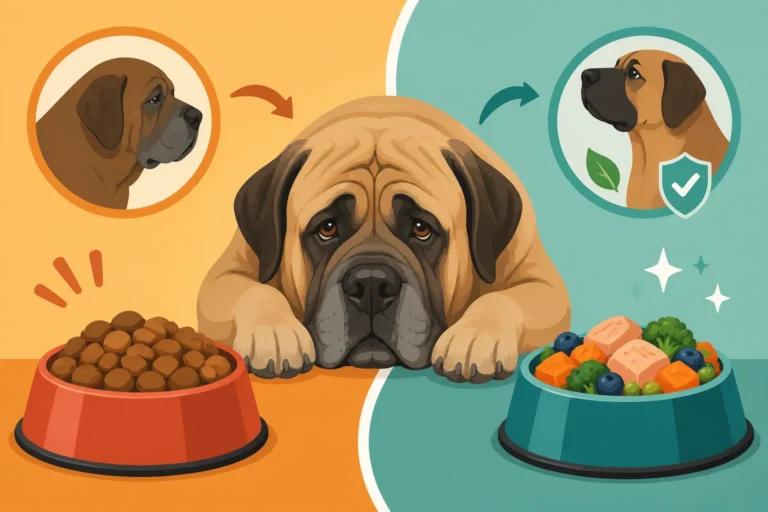
- Moisture content: Wet food or raw diets can leave more residue in the jowls. If you feed these, be extra diligent with post-meal cleaning. Some owners who use fresh food services like Ollie find that while the food is nutritious, the softer consistency means a bit more mess around the mouth, requiring immediate cleanup.
- Elevated bowls: While there's debate on whether elevated bowls reduce bloat risk, some owners find they can help with cleaner eating by promoting a more upright posture, potentially reducing spillage into folds. However, this varies by dog.
- Slow feeder bowls: If your Mastiff eats with incredible speed, a slow feeder bowl can encourage them to take smaller, more deliberate bites, which might reduce the amount of food flung into their jowls. You can find many options on Chewy or Amazon.
- Post-meal wipe-down: Regardless of diet, a quick wipe of the jowls immediately after meals and drinks is the most effective preventive measure. Make it part of your routine. Managing a Mastiff's Jowls After It Drinks highlights the constant battle with moisture.
When to Call the Vet: Recognizing Serious Issues
Despite your best efforts, sometimes problems can still arise, or you might encounter an issue that's beyond home care. Knowing when to seek professional veterinary help is crucial for your Mastiff's comfort and health.
Signs of Infection That Require Professional Help
While daily cleaning can prevent many issues, some signs indicate that a mild irritation has escalated into something more serious, requiring a vet's diagnosis and treatment. Look out for:
- Intense redness and swelling: Beyond a slight pinkness, if the skin folds are bright red, inflamed, or noticeably swollen, it's a red flag.
- Pain or sensitivity: If your Mastiff recoils, growls, or tries to bite when you touch their jowls, they are likely in significant pain.
- Discharge: Any pus-like discharge (yellow, green, or thick white) or persistent bloody weeping from the folds is a clear sign of infection.
- Foul odor despite cleaning: If you're cleaning regularly but a strong, putrid smell persists, it means the infection is deeply established.
- Ulcerations or raw skin: Open sores, erosions, or areas where the skin has broken down are painful and highly susceptible to secondary infections.
- Lethargy or loss of appetite: While less common for localized skin fold issues, if your Mastiff seems generally unwell, uninterested in food, or unusually tired in conjunction with a severe jowl issue, it indicates a more systemic problem.
Don't hesitate if you see any of these signs. Early veterinary intervention can prevent a minor infection from becoming a much more complicated and painful problem for your Mastiff. The article Whether a Mastiff's Fold Infection Needs Antibiotics explores treatment options for these situations.
Advanced Cleaning Techniques or Treatments
When you visit the vet for a jowl infection, they might recommend more advanced cleaning techniques or specific treatments. They may gently clip the hair around the affected area to improve airflow and allow for better cleaning. A thorough flush with a medicated solution might be performed, and they will likely prescribe topical medications such as antibacterial or antifungal creams, ointments, or medicated wipes that contain stronger active ingredients than over-the-counter options.
In cases of severe bacterial infection, oral antibiotics may be necessary. If it’s a yeast infection, oral antifungals might be prescribed. It’s vital to follow your vet’s instructions precisely regarding dosage and duration, even if the symptoms seem to improve quickly. Stopping treatment too soon can lead to a relapse. Remember, your vet has specialized tools and knowledge, and they can properly assess the depth and severity of the infection, often distinguishing between bacterial and yeast overgrowth, which require different types of medication.
Long-Term Management Strategies
For Mastiffs who are particularly prone to severe, recurring skin fold infections, your vet might discuss long-term management strategies. This could involve trying different prescription-strength medicated wipes for regular maintenance or exploring hypoallergenic diets if allergies are suspected to be contributing to skin irritation. In very rare and extreme cases where infections are persistent, painful, and unresponsive to medical management, surgical removal of excessive skin folds (a procedure called cheiloplasty or rhytidectomy) might be considered. This is a significant decision and usually a last resort, but it can provide immense relief and improve the quality of life for a severely affected Mastiff. It's an option that would only be discussed after all other medical and management strategies have been exhausted, and always with a specialist veterinary surgeon.
Ultimately, keeping your Mastiff's lip folds clean and healthy is an ongoing commitment, but one that ensures your gentle giant remains comfortable and free from preventable skin issues.
Disclaimer
This article is for general informational purposes only and does not constitute professional advice. Laws, prices and regulations vary by location and change over time. Consult a qualified professional for guidance on your specific situation.