How Rarely a Mastiff Barks
Mastiff barking habits and natural temperament explain why this large guard dog stays surprisingly quiet in most situations.
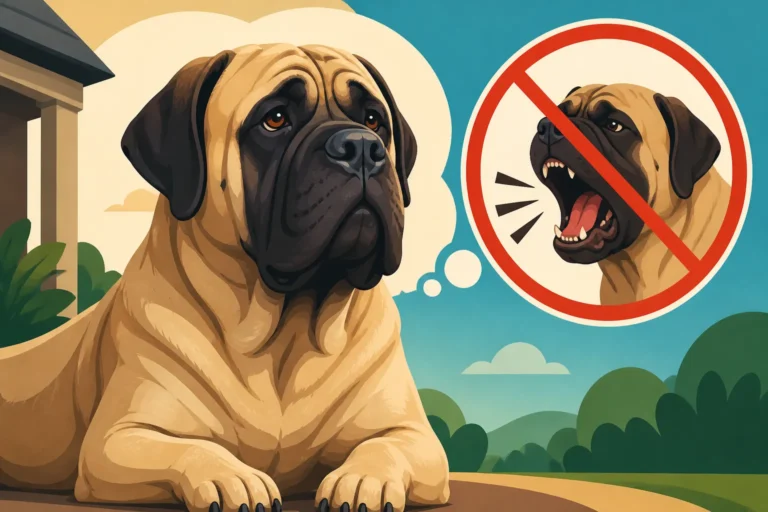
Mastiff barking habits and natural temperament explain why this large guard dog stays surprisingly quiet in most situations.

Mastiff size and impressive presence deter opportunistic criminals, but physical appearance alone does not guarantee foolproof home security.
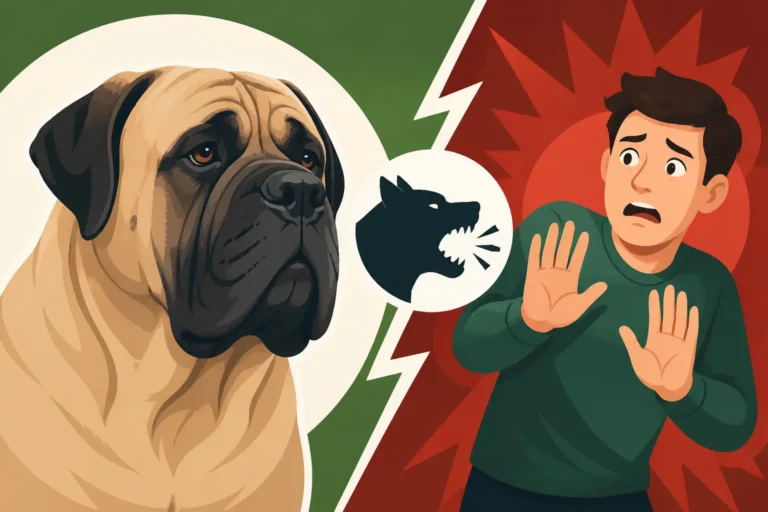
Mastiff temperament, protective instincts, and historical guarding roles explain whether this giant dog breed is likely to bite.

Mastiff protective instincts and natural guarding behaviors provide passive security through presence and size rather than aggressive training.
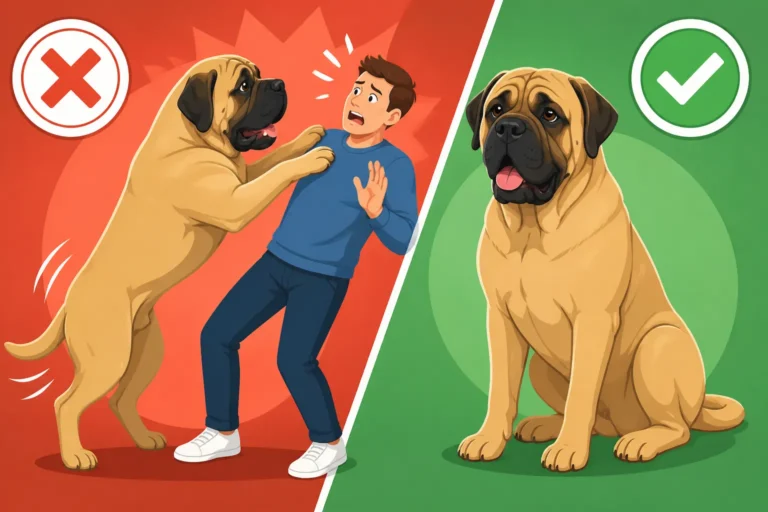
Mastiff jumping behaviors create safety hazards for guests, requiring proper training to prevent serious injuries from large dogs.

Mastiff walking gear choices explain how collars and harnesses distribute pressure to manage giant breed strength safely.

Walking a Mastiff alone safely requires proper equipment, consistent training techniques, and clever redirection strategies for large dogs.

Mastiff walking behavior explains why two hundred pound dogs stop suddenly and provides force-free methods to move them.
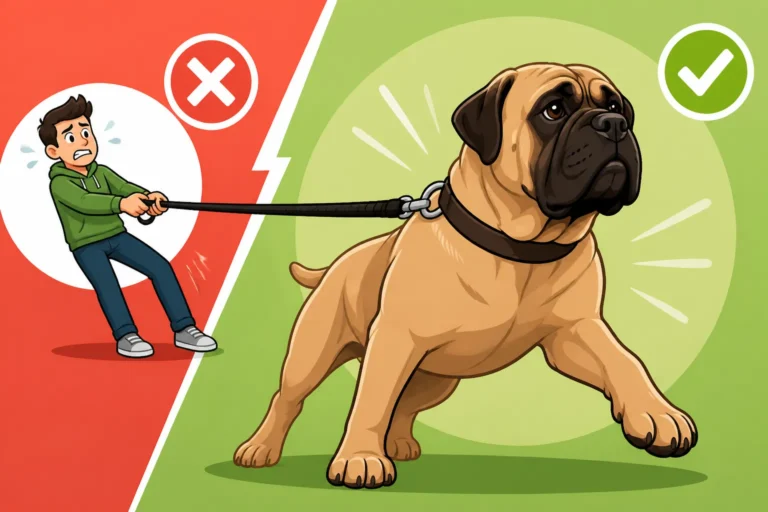
Walking a two-hundred-pound Mastiff explains leash physics, heavy pulling forces, and realistic management strategies for owners.

Mastiff leaning behavior stems from historical instincts for protection, deep affection, and a primal need for physical security and comfort.