Six to Ten Years Is What a Mastiff Gets
It’s a heartbreaking reality for anyone who brings a Mastiff into their home: these gentle giants, despite their immense size and loving hearts, are simply not with us for as long as many other breeds. The expectation of a long, leisurely life with your beloved companion often clashes with the harsh truth that six to ten years is what a Mastiff gets. This guide is here to walk you through why that is, what factors play into their shorter lifespans, and crucially, what you can realistically do to ensure those years are as healthy, happy, and long as possible, validating the deep love and concern you already feel for your magnificent dog.
The Unvarnished Truth About Mastiff Lifespans
When you first welcome a Mastiff puppy into your home, you're looking at a fluffy, oversized bundle of joy. It’s hard to imagine that this massive creature will have a relatively short time with you compared to, say, a Beagle or a Jack Russell Terrier. But the truth is, the bigger they are, the shorter their typical lifespan tends to be. This isn’t just anecdotal; it’s a widely observed pattern across the canine world, and it hits particularly hard when you've fallen for a breed as magnificent and emotionally profound as the Mastiff. It feels unfair, a cruel twist of nature that the most loving and gentle giants are the ones who leave us too soon.
Why Six to Ten Years Feels So Short
The average dog lives about 10 to 13 years, with many smaller breeds easily reaching 15 or even 18 years old. When you compare that to the Mastiff's average of 6 to 10 years, it’s a stark difference. This truncated timeline means that every year with a Mastiff feels incredibly precious, and the accelerated aging process can be a difficult thing for owners to wrap their heads around. You blink, and suddenly your boisterous adolescent Mastiff is starting to show the tell-tale signs of middle age, its movements a little slower, its naps a little longer. It's not just a matter of statistics; it's a deeply emotional experience, realizing that the time you have is limited, and every moment truly counts.
Owners often feel a pressure to pack a lifetime of love and experiences into those few years, which can be both rewarding and incredibly stressful. It means being hyper-vigilant about their health, cherishing every slobbery kiss, and preparing yourself for an inevitable parting much sooner than you’d ever wish. This shorter lifespan is often cited as a significant reason why some people hesitate to get a Mastiff, or why sadly, some end up in rescue at a relatively young age when owners can't cope with the accumulating health issues.
Understanding the "Giant Breed Penalty"
The phenomenon of larger dog breeds having shorter lifespans than smaller breeds is often referred to as the "giant breed penalty." While the exact biological mechanisms are still being fully researched, current theories suggest it’s related to their accelerated growth rate and metabolism. Giant breeds grow from tiny puppies to massive adults in a fraction of the time it takes smaller dogs, and this rapid growth puts immense strain on their bodies. Their cells divide at a faster rate, which some scientists believe may lead to a higher accumulation of cellular damage and a quicker onset of age-related diseases, including cancer.
Think about it: a Mastiff puppy can gain several pounds a week, transforming from a 15-pound bundle of fluff to a 100-pound adolescent in just a few months. This incredible growth spurt requires a huge amount of energy and cellular activity. While impressive, this rapid development might contribute to their bodies wearing out sooner. It's a trade-off, perhaps, for their awe-inspiring size, but one that comes with profound implications for their health and longevity. It's a sad irony that the very thing that makes them so magnificent—their sheer size—also contributes to their shorter time with us.
Genetic Predispositions and Lifespan
Beyond the general giant breed penalty, Mastiffs, like many purebred dogs, have specific genetic predispositions that can impact their lifespan. Years of selective breeding for certain physical traits have, unfortunately, sometimes narrowed the gene pool and inadvertently concentrated genes for particular health issues. While responsible breeders strive to breed out these problems, some remain prevalent.
Conditions such as certain cancers, orthopedic issues like hip and elbow dysplasia, and cardiac diseases are often seen in the breed. For instance, the Mastiff is prone to various forms of cancer, which unfortunately can manifest at a younger age than in other breeds. This means that a Mastiff may encounter life-threatening health challenges in what would be considered their prime years for a different dog. It's a constant battle for breeders and owners to navigate these genetic realities, making health screening and careful lineage selection incredibly important steps in trying to give these dogs the best possible chance at a full life. Understanding these predispositions is the first step in being a proactive and informed Mastiff owner.
The Impact of Selective Breeding
The history of the Mastiff breed, from ancient war dogs to estate guardians, has focused on creating a dog of immense size and formidable presence. While this has given us the majestic Mastiff we know and love today, it hasn't always prioritized longevity. Early breeding practices sometimes emphasized size and appearance over genetic health, inadvertently selecting for traits that could contribute to health issues down the line.
In more recent times, however, responsible breeders have made incredible strides in trying to improve the breed's health. They invest heavily in genetic testing and health clearances, aiming to reduce the incidence of hereditary diseases. However, reversing generations of selective breeding is a monumental task, and the sheer physical characteristics of a Mastiff—their heavy bone structure, deep chest, and rapid growth—continue to present inherent challenges to longevity. It's a balance between preserving the iconic traits of the breed and working tirelessly to improve their overall health and extend their precious years with us.
Factors That Influence a Mastiff's Lifespan
While the 6-10 year average might seem set in stone, it's really just that—an average. There's a lot you can do as an owner, working alongside dedicated veterinarians and conscientious breeders, to help your Mastiff fall on the higher end of that spectrum, and perhaps even push beyond it. It’s not about magic, but about diligent care, informed choices, and a deep commitment to their well-being throughout their entire life. Every decision, from what they eat to how much they move, plays a role.
The Critical Role of Genetics and Health Testing
One of the most significant influences on your Mastiff's potential lifespan starts long before you ever bring them home: their genetics. A puppy from parents with a proven history of good health and longevity, and who have undergone comprehensive health testing, simply has a better foundation. This isn't a guarantee, of course, but it significantly stacks the odds in their favor.
Reputable breeders will conduct various health screenings on their breeding stock to rule out hereditary conditions that plague the breed. This includes checks for hip and elbow dysplasia, cardiac exams, and eye certifications. For instance, knowing that Elbow Dysplasia Affects One Mastiff in Seven, a responsible breeder will ensure their dogs are cleared. They’ll also often perform DNA tests for specific conditions like Progressive Retinal Atrophy (PRA) or Cystinuria Type III, which is particularly relevant for intact males. These tests help identify carriers or affected dogs, allowing breeders to make informed decisions to produce healthier puppies. You should always ask a breeder about The Four CHIC Tests a Mastiff Breeder Must Clear, as this demonstrates a commitment to health. Investing in a puppy from such a background is perhaps the single most impactful step you can take to foster a longer, healthier life for your Mastiff.
Nutrition from Puppyhood to Seniority
What you feed your Mastiff, and how much, is paramount from the moment they arrive as a puppy and continues to be crucial throughout their entire life. Rapid growth in giant breed puppies is a known culprit in the development of orthopedic problems later in life, so controlled growth through appropriate nutrition is non-negotiable. This means feeding a high-quality, large-breed specific puppy food that has a carefully balanced calcium-to-phosphorus ratio and moderate protein levels, rather than an overly rich, high-calorie food designed for smaller, faster-metabolizing breeds.
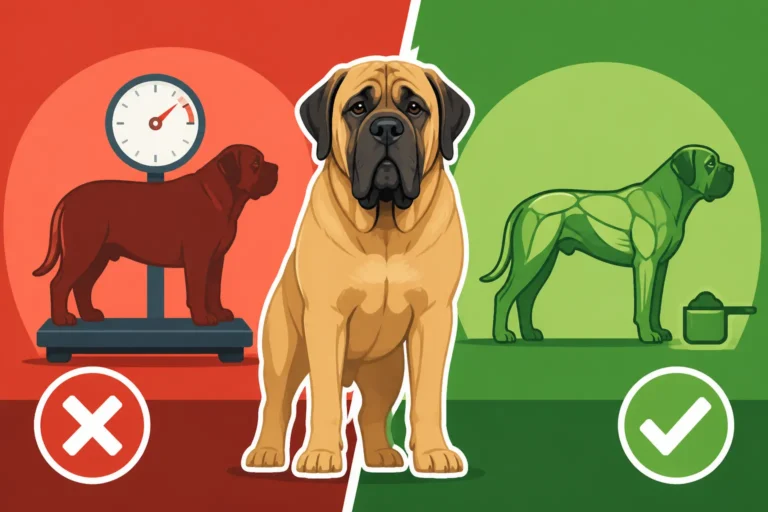
As they mature, maintaining a lean body condition becomes the golden rule. An overweight Mastiff carries excessive strain on their joints, heart, and other organs, accelerating wear and tear and making them more susceptible to various health issues. This is why it’s crucial to understand Why a Mastiff Is Dosed by Lean Weight and Not Scale Weight, especially when it comes to medications or preventative care. Transitioning to an adult food at the appropriate time and adjusting portion sizes to maintain that ideal weight is an ongoing commitment. In their senior years, their nutritional needs might shift again, possibly requiring fewer calories or specific joint-supporting supplements, ensuring their diet continues to support their changing body.
Exercise and Weight Management
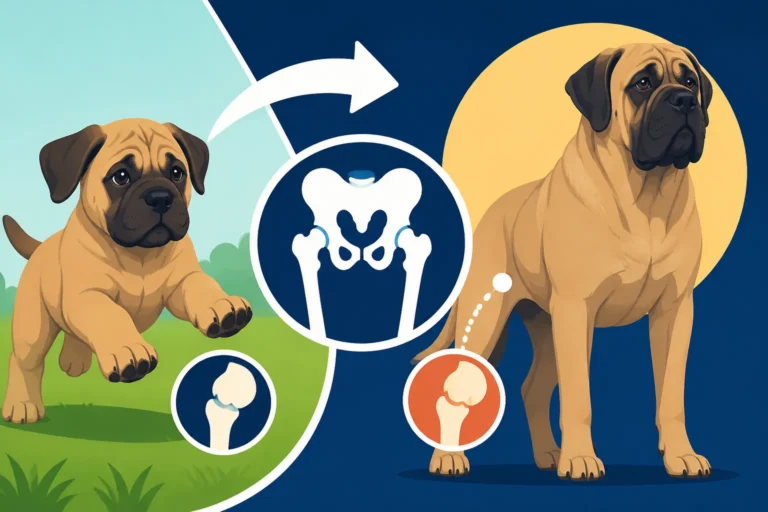
For a breed as massive as the Mastiff, proper exercise might not mean what you think it does. Unlike high-energy breeds that need miles of running, Mastiffs are not marathoners. Over-exercising a growing Mastiff puppy can be incredibly damaging to their developing joints, increasing the risk of conditions like hip and elbow dysplasia. Short, controlled walks and playtime on soft surfaces are far more appropriate than long hikes or intense running sessions.
As adults, consistent, moderate exercise is key to maintaining muscle tone, joint health, and a healthy weight. Daily walks, perhaps a leisurely stroll through the park or around the neighborhood, are often sufficient. It’s about quality, not quantity. Preventing obesity is a critical component of exercise management; even a few extra pounds can severely impact a Mastiff’s large frame. Combining a balanced diet with regular, appropriate exercise is fundamental to preserving their mobility and overall health. Owners often feel pressure to do "more" with their dogs, but with a Mastiff, "less is more" when it comes to strenuous activity, especially in their early years.
Veterinary Care and Early Intervention
Regular veterinary care is perhaps the most obvious, yet often underestimated, factor in maximizing a Mastiff's lifespan. These aren't dogs you can afford to skip annual check-ups with. Mastiffs can be stoic, sometimes hiding signs of discomfort until a condition is quite advanced, which makes proactive veterinary visits even more important. Annual exams allow your vet to catch subtle changes, monitor weight, check for lumps and bumps, and discuss preventative care like vaccinations and parasite control.
Early intervention is crucial, especially with conditions like Bloat in the Deepest Chest of Any Breed: the Mastiff. Knowing the signs and getting immediate veterinary attention can be life-saving. Regular screenings, particularly as they age, might include blood work to check organ function, or imaging if a concern arises. Having a good relationship with a vet who understands giant breeds is invaluable. Pet insurance, such as a plan from Healthy Paws, can be a lifesaver, helping to cover the often substantial costs of diagnostics, treatments, and emergency surgeries that can arise with a Mastiff's health challenges. Being prepared for these eventualities allows you to prioritize their health without the added financial strain, which can sometimes lead to agonizing decisions.
Common Health Challenges That Shorten Mastiff Lives
It’s an unfortunate reality that Mastiffs are prone to several serious health conditions that contribute to their shorter lifespan. Knowing about these common challenges isn't about dwelling on the negative, but about empowering yourself with knowledge so you can be vigilant, proactive, and prepared to act swiftly when necessary. Many of these conditions are progressive, meaning early detection and management can significantly improve your Mastiff's quality of life and potentially extend their time with you.
Orthopedic Issues: Hips, Elbows, and More
Given their massive size and rapid growth, it's probably no surprise that Mastiffs are highly susceptible to orthopedic problems. These issues can cause chronic pain, limit mobility, and profoundly impact their overall well-being and lifespan.
Hip and elbow dysplasia are at the top of the list. Hip dysplasia, a malformation of the hip joint, can range from mild discomfort to debilitating arthritis. Similarly, elbow dysplasia involves several developmental abnormalities of the elbow joint, leading to lameness and pain. Both conditions are often hereditary, which is why rigorous screening of breeding stock is so important. When considering a Mastiff, understanding How Common Hip Dysplasia Is in Mastiffs is a key part of your research. Owners often find themselves faced with difficult decisions regarding pain management, physical therapy, and sometimes even expensive surgeries to improve their dog's comfort and mobility. The goal is to keep them moving comfortably for as long as possible, even if their gait isn't perfect.
Beyond the major joints, other orthopedic issues like osteochondritis dissecans (OCD) can affect their shoulders, and simply the immense weight they carry puts strain on their entire skeletal system. Maintaining a lean body condition and avoiding over-exercise during puppyhood are your best defenses against exacerbating these inherited tendencies. Even with the best care, arthritis can set in relatively early for a Mastiff, making proactive joint supplements and pain management crucial as they age.
The Silent Threat of Bloat
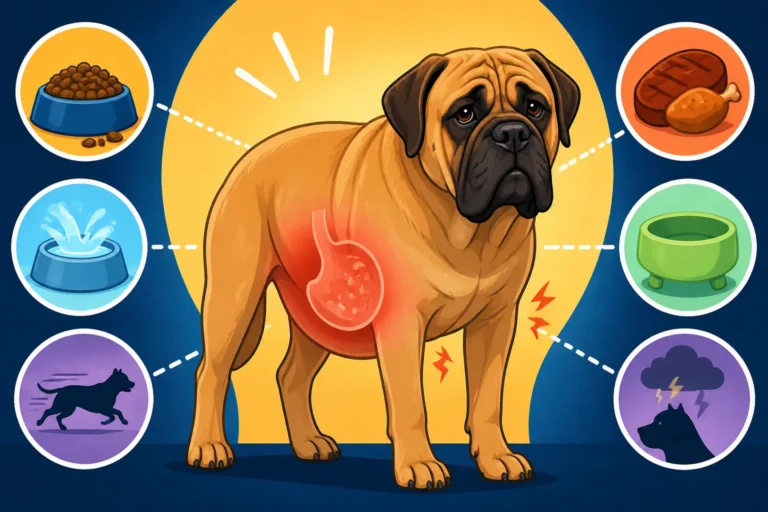
Gastric Dilatation-Volvulus (GDV), more commonly known as bloat, is a terrifying and rapidly fatal condition that strikes deep-chested breeds like the Mastiff with alarming frequency. It occurs when the stomach fills with gas and twists on itself, cutting off blood flow and causing irreversible damage to vital organs. The onset can be sudden and without obvious warning, turning a perfectly healthy dog into a critical emergency within hours. Knowing The First Sign a Mastiff Is Bloating is absolutely crucial for any Mastiff owner.
Symptoms include a distended abdomen, unproductive retching, restlessness, and signs of pain. Bloat is a true veterinary emergency, and immediate surgery is often the only hope for survival. The window for intervention is incredibly narrow, often just a few hours. Because of this, many Mastiff owners opt for a prophylactic gastropexy—a surgical procedure where the stomach is tacked to the abdominal wall to prevent it from twisting—often performed when the dog is spayed or neutered. Even with a gastropexy, a dog can still bloat, meaning the stomach fills with gas but doesn't twist, still requiring emergency vet care. This condition is so prevalent and dangerous that every Mastiff owner lives with a low hum of anxiety about it, making awareness and preparedness paramount. Understanding What Triggers Bloat in a Mastiff can also help in prevention.
Cancer: A Pervasive Concern
Cancer is a devastating diagnosis for any pet owner, but it's particularly prevalent in giant breeds, including Mastiffs. It is unfortunately one of the leading causes of death in the breed, often manifesting earlier in their lives than in smaller dogs. Various types of cancer can affect Mastiffs, from lymphoma and hemangiosarcoma to osteosarcoma (bone cancer), which is particularly aggressive in large and giant breeds.
The sheer size of a Mastiff means that tumors can grow quite large before they are noticed, or they can spread rapidly. Regular veterinary check-ups are vital for early detection, as your vet might feel a suspicious lump during a routine examination or notice subtle changes in blood work. Prompt investigation of any new lumps, changes in appetite, energy levels, or unexplained lameness is crucial. While a cancer diagnosis is always frightening, advancements in veterinary oncology mean that treatment options, including surgery, chemotherapy, and radiation, are available and can sometimes extend a Mastiff's life and improve their quality of life. Even with these options, cancer remains a heartbreaking reality for many Mastiff families.
Cardiac Health and Degenerative Myelopathy
Beyond orthopedic issues and cancer, Mastiffs can also face challenges with their heart and neurological system. While not as universally prevalent as bloat or certain cancers, conditions like dilated cardiomyopathy (DCM) can occur, where the heart muscle becomes thin and weak, impairing its ability to pump blood effectively. Regular cardiac screenings, especially as they approach middle age, can help detect issues early.
Another significant neurological concern is Degenerative Myelopathy (DM), a progressive disease of the spinal cord that leads to weakness and paralysis in the hind limbs. While not painful, it is ultimately debilitating. The initial signs might be subtle, like a slight dragging of a paw or instability in the hindquarters, and can sometimes be mistaken for arthritis. This is why a proper veterinary diagnosis is so important. There is no cure for DM, but physical therapy, supportive care, and mobility aids can help manage the progression and maintain a good quality of life for as long as possible. Understanding Degenerative Myelopathy in a Mastiff is vital for owners of at-risk dogs. These complex health challenges underscore the need for dedicated veterinary care throughout a Mastiff's life, as these conditions often contribute to their shorter average lifespans.
Proactive Steps to Maximize Your Mastiff's Years
While the genetic dice are cast at conception, and certain health challenges are sadly inherent to the Mastiff breed, that doesn’t mean you’re powerless. Far from it. As an owner, your daily choices and proactive measures can profoundly impact your Mastiff's health, comfort, and ultimately, how many good years you get to share together. It's about being informed, diligent, and committed to providing the best possible environment for your gentle giant.
Choosing a Reputable Breeder
This is truly the bedrock of a healthy Mastiff, and perhaps the single most important decision you'll make. A reputable breeder isn't just selling puppies; they're investing years of effort into preserving and improving the breed's health and temperament. They meticulously research pedigrees, perform extensive health screenings on their breeding stock, and are transparent about their dogs' health histories. They're trying their absolute best to avoid perpetuating conditions like hip and elbow dysplasia, heart disease, and genetic eye issues.
When you're looking for a puppy, don't just ask to see the parents; ask for proof of their health clearances. This often includes certifications from organizations like the Orthopedic Foundation for Animals (OFA) for hips, elbows, and cardiac health, as well as ophthalmologist certifications for eyes. A good breeder will also perform DNA tests for conditions like PRA and cystinuria. They'll be happy to discuss their breeding philosophies, their dogs' temperaments, and even put you in touch with previous puppy buyers. While such puppies come with a higher initial cost, this investment often pays dividends in reduced veterinary bills and a healthier, longer-lived companion. You can learn more about this by researching The CHIC Tests Both Mastiff Parents Must Clear.
Dietary Strategies for Longevity
As we touched upon earlier, diet plays a monumental role, especially for a rapidly growing giant breed. The "more is better" philosophy absolutely does not apply to Mastiff puppies. Overfeeding, particularly with high-protein, high-calorie foods, can force rapid growth that puts undue stress on their developing bones and joints, setting the stage for orthopedic problems. Instead, opt for a high-quality, large or giant breed puppy formula specifically designed for slow, steady growth. These formulas typically have controlled protein and fat levels, and crucially, a balanced calcium-to-phosphorus ratio.
For adult Mastiffs, the goal remains consistency and moderation. Feeding a high-quality adult giant breed formula, portioned appropriately to maintain a lean body condition, is essential. Avoid excessive treats, table scraps, and ensure fresh water is always available. Some owners also choose to incorporate joint supplements, like glucosamine and chondroitin, from an early age, though always consult your veterinarian before adding any supplements to your Mastiff's diet. The right diet supports not just their growth, but their overall cellular health, organ function, and joint integrity throughout their entire lifespan.
The Importance of a Lean Body Condition
If there's one piece of advice that almost every veterinarian emphasizes for giant breeds, it's this: keep them lean. A Mastiff carrying excess weight is a Mastiff whose joints are under constant strain, whose heart has to work harder, and whose overall body is experiencing accelerated wear and tear. Even a few extra pounds on a 150-pound dog can be equivalent to a human carrying an extra 20-30 pounds, but with a skeletal structure that isn't built to accommodate it long-term.
Regularly assess your Mastiff’s body condition. You should be able to easily feel, but not necessarily see, their ribs. They should have a noticeable waist when viewed from above and a slight tuck-up in their abdomen when viewed from the side. If you have to press hard to feel their ribs, they're likely overweight. Work with your veterinarian to establish an ideal weight range and feeding plan. It might mean saying no to those pleading Mastiff eyes a little more often, but it's one of the most loving things you can do for their long-term health. A lean Mastiff will be more comfortable, more mobile, and statistically, live a longer, healthier life.
Regular Veterinary Check-ups and Screenings
Annual (or even bi-annual as they age) veterinary check-ups are not merely routine; they are critical life-extending measures for a Mastiff. These visits allow your vet to perform a thorough physical examination, catching subtle changes that you might miss at home. They can monitor weight, listen to heart and lungs, check for dental issues, feel for lumps or abnormalities, and assess joint health.
Beyond the physical exam, your vet may recommend routine blood work, especially as your Mastiff moves into their middle and senior years. These blood panels can detect early signs of kidney disease, liver issues, thyroid problems, and other metabolic conditions that might not yet be causing outward symptoms. Early detection allows for earlier intervention, often leading to more effective management and a better prognosis. For breeds prone to certain cancers, even simple things like aspirating new lumps can provide vital information. Having a comprehensive pet insurance plan, such as one from Healthy Paws, can make it much easier to say "yes" to these important diagnostic tests and treatments without worrying about the financial burden, empowering you to give your Mastiff the best possible care throughout their life. This proactive approach is central to Caring for a Mastiff Past Five.
Navigating the Senior Years with Your Mastiff
The golden years with a Mastiff are incredibly precious, but they often bring a unique set of challenges. Because of their shorter lifespans, Mastiffs can start showing signs of aging relatively early, sometimes as young as five or six years old. It can be heartbreaking to watch your once-powerful companion slow down, but with understanding, patience, and appropriate care, you can ensure their senior years are filled with comfort, dignity, and continued love.
Recognizing the Signs of Aging
The transition from a robust adult to a senior Mastiff can be gradual, sometimes so subtle you might not notice until you look back at old photos. Often, the first signs are changes in mobility. You might notice them having more difficulty getting up after lying down, especially on slick floors. Stairs might become a challenge, or they might seem stiffer after a long nap. Arthritis is a common culprit here. They might also exhibit reduced stamina during walks, preferring shorter, slower strolls, or simply opting to lie down more often. Their once boundless energy might give way to more frequent and longer naps.
Other signs can include changes in appetite or water consumption, which could signal underlying health issues. Their senses might dull; hearing loss or vision impairment can become evident, leading to more cautious movements or confusion in unfamiliar environments. Dental disease can become more pronounced, causing discomfort and affecting their desire to eat. Behavioral changes, such as increased anxiety, disorientation, or even changes in house-training habits, can also occur, sometimes indicating cognitive decline. Paying close attention to these subtle shifts is key to addressing their needs promptly and effectively.
Adapting Your Home for an Older Mastiff
An aging Mastiff needs a home environment that accommodates their diminishing physical abilities. This isn't just about comfort; it's about safety and preventing injuries. One of the biggest challenges is traction. Those majestic, powerful legs that once covered ground with ease can become unstable on slippery surfaces like hardwood, tile, or laminate, increasing the risk of falls and serious injuries. Lay down rugs, runners, or carpet tiles in high-traffic areas to provide better grip.
Consider orthopedic beds placed strategically around the house, offering supportive cushioning for their heavy joints. Ramps can be invaluable for helping them get into vehicles or navigate a few steps to the yard, saving both their joints and your back. Elevated food and water bowls can make eating and drinking more comfortable, reducing strain on their neck and joints. If they struggle with stairs, you might need to limit their access or even carry them, if physically possible and safe to do so. Simple modifications can make a world of difference in their daily comfort and ability to move around your home independently.
Managing Pain and Discomfort
Pain management is a cornerstone of senior Mastiff care. Arthritis, joint stiffness, and muscle soreness are almost inevitable in these large dogs as they age. Your veterinarian can work with you to develop a comprehensive pain management plan, which might include non-steroidal anti-inflammatory drugs (NSAIDs), other pain medications, or joint-specific supplements. It’s crucial to never give human pain medication without veterinary guidance, as many are toxic to dogs.
Beyond medication, complementary therapies can be incredibly beneficial. Physical therapy, underwater treadmill sessions, acupuncture, or even therapeutic massage can help maintain muscle mass, improve range of motion, and alleviate discomfort. Regular, gentle exercise, appropriate to their capabilities, is still important to keep muscles strong and joints mobile. Warm compresses on stiff joints can also provide relief. The goal is to keep them as comfortable and mobile as possible, allowing them to enjoy their days without constant discomfort. This often requires a multifaceted approach and continuous communication with your vet to adjust the plan as their needs change.
Quality of Life Considerations
As your Mastiff ages and health challenges mount, it's natural to grapple with questions about their quality of life. This is perhaps the hardest part of caring for an aging giant. It involves objectively assessing their daily happiness, comfort, and engagement, rather than just clinging to the hope of more time. Are they still enjoying their favorite activities, even if in a modified way? Are they eating, drinking, and interacting with the family? Are they free from chronic, unmanageable pain?
It's a nuanced discussion to have with your veterinarian, your family, and, most importantly, yourself. It involves weighing the good days against the bad, and understanding when the treatments are causing more stress or discomfort than they are alleviating. There will come a time when Making the Decision for an Old Mastiff becomes a reality, and while it is profoundly painful, it is also the final, most selfless act of love you can offer. Ensuring your Mastiff's last chapter is as peaceful and dignified as possible is the ultimate expression of your devotion.
Emotional Preparedness and Support
Saying goodbye to any pet is excruciating, but the loss of a Mastiff, with their immense presence and profoundly deep bond, carries a unique weight. Their shorter lifespan means this goodbye often comes sooner than we wish, and the grief can be intense. Preparing emotionally, and knowing where to find support, is an important, though difficult, part of the journey of Mastiff ownership.
The Unique Grief of Losing a Giant
The bond with a Mastiff is unlike any other. They are not just dogs; they are gentle protectors, constant companions, and often, quite literally, lean on you for affection. Their sheer physical presence fills a room, and when they are gone, the silence and emptiness can be deafening. The knowledge that Six to Ten Years Is What a Mastiff Gets doesn't make the eventual parting any easier. Many owners describe the grief as profound, comparable to losing a family member. You might feel a profound sense of loss, sadness, anger, guilt, or even numbness. It’s common to feel that others don't understand the depth of your sorrow, especially if they haven't experienced the loss of such a magnificent creature.
Allow yourself to feel these emotions. There's no right or wrong way to grieve, and there's no set timeline. It’s important to remember that this grief is a testament to the incredible love you shared. The Mastiff's Short Life Buys the Biggest Bills, but the emotional cost can feel even higher. Cherish the memories, the slobbery kisses, the leaning companionship, and the quiet dignity they brought to your life. These memories will eventually become a source of comfort, even as the initial pain subsides.
Finding Support and Resources
You don't have to navigate this grief alone. There are numerous resources available to help you through the difficult process of losing a pet. Many veterinary clinics offer grief counseling services or can refer you to support groups specifically for pet loss. Online forums and social media groups dedicated to Mastiffs can also be incredibly supportive, connecting you with others who have experienced the unique pain of losing one of these giants. Sharing your feelings and stories with those who truly understand can be a powerful part of the healing process.
Consider memorializing your Mastiff in a way that feels right for you—a paw print casting, a special photo album, a donation in their name to a Mastiff rescue, or even planting a tree in their honor. These acts can help to channel your grief into a tangible tribute to your beloved companion. Remember, the love you shared doesn't end with their passing. Your Mastiff may have only been with you for a relatively short time, but the impact they had on your life will last forever.
Disclaimer
This article is for general informational purposes only and does not constitute professional advice. Laws, prices and regulations vary by location and change over time. Consult a qualified professional for guidance on your specific situation.