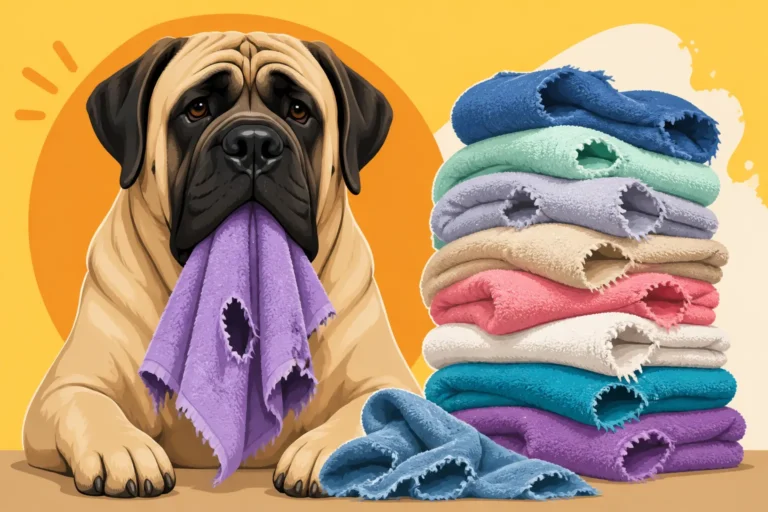
What a Mastiff Rescue Asks in Adoption Fees
Bringing a Mastiff into your home is an incredible joy, but the financial aspect can feel like navigating a maze, especially when you're looking at rescue organizations. Many people wonder exactly what a Mastiff rescue asks in adoption fees, often fearing a hidden agenda or exorbitant costs. This guide is here to shed light on those fees, demystifying why they exist, what they cover, and what other financial considerations you should prepare for when welcoming a gentle giant from a rescue into your family.
Understanding the "Why" Behind Mastiff Rescue Fees
It's completely normal to feel a bit of sticker shock or curiosity when you see an adoption fee. After all, you're offering a loving home to an animal in need, shouldn't that be enough? The reality for Mastiff rescues, however, is that these fees are absolutely vital to their operation and, more importantly, to the health and well-being of the dogs they save. Rescues are non-profit organizations, relying heavily on donations, volunteers, and these adoption fees to continue their life-saving work.
Think about the sheer scale of a Mastiff. Everything costs more for a dog this size. Their food bowls aren't just larger; they often need specialized giant breed formulas. Medications are dosed by weight, meaning a Mastiff will require significantly more of everything from flea and tick preventatives to antibiotics. Then there are the unexpected medical emergencies – a Mastiff with bloat or a severe injury requires extensive, costly veterinary intervention. Without a steady stream of income from adoption fees, rescues simply couldn't afford to provide the necessary care that often brings these dogs back from the brink. These fees are not about profit; they're about sustainability and ensuring that the next Mastiff in need can also receive a second chance. The Mastiff's Short Life Buys the Biggest Bills is a reality rescues grapple with daily.
The Range of Mastiff Adoption Fees You Can Expect
When you're looking into adopting a Mastiff, you'll quickly notice that adoption fees aren't one-size-fits-all. They can vary quite a bit, and for good reason. Rescues aim to cover at least a portion of the expenses incurred for each dog, but they also consider factors that might affect a dog's adoptability or future care needs. It's a delicate balance of trying to recoup costs while not pricing a dog out of a good home.
Factors Influencing the Fee
Several elements play a role in determining a Mastiff's adoption fee. Generally, puppies and younger adult Mastiffs, especially those in prime health, tend to have higher fees. This is partly due to their higher demand and also because they often require more initial vetting, such as multiple rounds of vaccinations and sometimes spay/neuter surgery. On the other end of the spectrum, senior Mastiffs or those with known medical conditions or special needs might have lower fees, sometimes even "senior for senior" programs, to encourage adoption for dogs who might otherwise be overlooked. It’s a sad fact that The Age at Which Most Mastiffs Are Given Up is often when their biggest medical expenses start.
Location can also influence fees. A rescue operating in an area with higher veterinary costs will naturally need to charge more to cover those expenses. Additionally, a Mastiff who has been in rescue for an extended period, requiring more food, boarding, or ongoing medical treatment, might have a slightly adjusted fee to help offset those accumulated costs, although many rescues absorb these long-term expenses as part of their mission.
What Your Fee Actually Covers
It’s truly incredible what a Mastiff adoption fee encompasses. When you adopt, you're not just paying for the dog; you're contributing to a comprehensive care package. This typically includes a thorough veterinary examination, ensuring the Mastiff is healthy and ready for their new home. Crucially, almost all rescue Mastiffs will be spayed or neutered before adoption. This prevents unwanted litters and often comes with significant health benefits down the line.
Beyond that, your fee usually covers age-appropriate vaccinations, deworming, and microchipping, which is a vital step in reuniting lost pets with their families. Many rescues also provide a initial supply of the food the Mastiff has been eating, a collar, leash, and sometimes even a few toys. For some Mastiffs, especially those who came into rescue with injuries or illnesses, the fee helps cover specialized surgeries, extensive dental work, or ongoing medication. Imagine the cost of something like emergency surgery for bloat or an orthopedic repair for a two-hundred-pound dog – the adoption fee barely scratches the surface of What a Mastiff's Weight Does to Every Line on the Vet Invoice.
Here's a breakdown of some common factors influencing adoption fees:
| Factor | Impact on Fee (General Trend) | Rationale |
|---|---|---|
| Age | Puppies/Young Adults: Higher; Seniors: Lower/Waived | Higher demand for younger dogs; encouraging adoption for older, harder-to-place dogs. |
| Health Status | Healthy: Standard; Special Needs/Chronic Issues: Lower/Negotiable | Aims to encourage adoption for dogs requiring ongoing care. |
| Vetting Provided | Comprehensive (Spay/Neuter, Vaccs, Microchip): Standard | Covers core veterinary services provided by the rescue. |
| Demand | High demand breeds/individuals: Potentially higher | Reflects resources spent on popular dogs, helps fund less popular ones. |
| Time in Rescue | Long-term residents: Sometimes lower or special promotions | Incentive to find homes for dogs who have been waiting longer. |
| Location | Higher cost-of-living areas: Potentially higher | Reflects regional veterinary costs and operational expenses. |
Beyond the Adoption Fee: Other Costs to Consider
It’s crucial to understand that the adoption fee is just the starting line for Mastiff ownership. While rescues do an incredible job of getting these dogs healthy and ready for a home, the ongoing financial commitment is substantial. People often underestimate What a Mastiff Puppy Costs in 2026, let alone a full-grown rescue Mastiff. Preparing for these future expenses is key to providing a stable, loving environment for your new companion.
Initial Setup Costs
Once your Mastiff comes home, you'll need to outfit your house to accommodate a giant breed. This isn't just about buying a bigger dog bed; it's about buying a Mastiff-sized dog bed that can withstand its weight and provide orthopedic support. Brands like Chewy offer a variety of heavy-duty beds, but even then, you might find yourself needing to replace them more often than you'd expect. You'll also need a sturdy collar, a strong leash, and potentially a very large crate if you plan to crate train. Remember, these aren't your average dog supplies; they are built for strength and durability.
Then there are the bowls. Mastiffs need large, stable food and water bowls. Elevated feeders are often recommended, but they need to be robust enough not to tip over. Factor in initial toys – durable chew toys are a must to protect your furniture. Don't forget training treats; positive reinforcement is incredibly effective for these sensitive giants, and a big dog needs a lot of treats!
Ongoing Expenses
The biggest ongoing cost for a Mastiff, hands down, will be food. What Feeding a Two Hundred Pound Mastiff Costs a Month can be a real eye-opener. These dogs eat a lot, and for their health, they need high-quality giant breed formulas that support their large frames without encouraging too-rapid growth. You'll likely be buying giant bags of kibble frequently, or considering fresh food options from services like Ollie, which can add up quickly but offer tailored nutrition. Regularly check How Much a Mastiff Eats in a Month to budget accurately.
Beyond food, you'll have routine veterinary care: yearly check-ups, vaccinations, and parasite preventatives (flea, tick, heartworm). Again, due to their size, these medications are more expensive than for smaller dogs. Grooming, while minimal for their short coat, will still involve nail trims (which can be a two-person job for a Mastiff that doesn't cooperate easily) and regular cleaning of their facial folds to prevent infections. You'll also want to budget for new toys, occasional dental chews, and potentially professional training if you encounter any behavioral challenges.
Unexpected Vet Bills
This is perhaps the most significant financial consideration that many prospective Mastiff owners overlook. Mastiffs, despite their robust appearance, are prone to certain health issues common in giant breeds, such as hip and elbow dysplasia, bloat (gastric dilatation-volvulus), and various cancers. A single emergency vet visit for a Mastiff can be incredibly expensive, often running into thousands of dollars for diagnostics, surgery, and post-operative care.
This is where pet insurance can be a lifesaver. Companies like Healthy Paws offer coverage for accidents and illnesses, which can provide immense peace of mind. While the premiums for a Mastiff might be higher due to their size and predispositions, it can be a wise investment to avoid financial ruin if your dog suddenly needs complex medical attention. Imagine the stress of facing a huge bill for Whether a Mastiff Needs a Referral Hospital for Surgery without that safety net. Even with insurance, most policies have deductibles and reimbursement percentages, so you’ll still need an emergency fund. Ultimately, a rescue fee is a small fraction of The Full Cost of Eight Years With a Mastiff.
Navigating the Adoption Process and Making the Most of Your Investment
Adopting a Mastiff from a rescue is an incredibly rewarding experience, offering a deserving dog a second chance at a loving home. While the fees and the responsibilities are significant, the joy these gentle giants bring is immeasurable. Knowing how to navigate the process effectively will ensure you find the perfect match and are well-prepared for the journey ahead.
Finding Reputable Mastiff Rescues
The first step is to seek out reputable Mastiff-specific rescues or all-breed rescues with significant experience handling giant breeds. You can often find these organizations through national breed clubs, online directories, or recommendations from trusted veterinarians. A good rescue will have a thorough application process, including interviews, vet checks, and home visits. They want to ensure their dogs go to homes that are truly prepared for a Mastiff's size, temperament, and needs. Don't be offended by their diligence; it's a sign of a responsible organization that cares deeply about its animals.
Look for transparency in their operations. A reputable rescue will openly discuss their adoption fees, what those fees cover, and their general policies. They should also be able to provide detailed health and behavioral histories for their Mastiffs, as much as is known. Building a relationship with the rescue organization can also be beneficial, as many offer ongoing support and advice for adopters. Consider What a Mastiff Rescue Charges not as a purchase price, but as an investment in a dog's past, present, and future well-being.
Questions to Ask the Rescue
When you've found a Mastiff that captures your heart, arm yourself with questions. This is your opportunity to gather as much information as possible to ensure a smooth transition into your home. Ask about the dog's known medical history, including any past illnesses, injuries, or ongoing conditions. Inquire about their temperament, how they interact with other dogs, cats, or children, and any known behavioral quirks or training needs. Understanding these details upfront can help you anticipate challenges and prepare accordingly.
You should also ask about the rescue's post-adoption support. Do they offer advice lines, training resources, or foster networks for continued guidance? What is their policy if the adoption doesn't work out, and the Mastiff needs to be returned? A responsible rescue will always take their dogs back, no questions asked, understanding that sometimes things just don't click. Inquire about their process for matching dogs to families, as their insights into the Mastiff's personality are invaluable. Asking about Whether a Mastiff Owner Should Test Their Own Dog for specific conditions like PRA or Cystinuria if the rescue hasn't already done so might also be a good idea for peace of mind. Remember, knowledge is power when it comes to adopting a giant breed, and a good rescue will be eager to share everything they know.
Disclaimer
This article is for general informational purposes only and does not constitute professional advice. Laws, prices and regulations vary by location and change over time. Consult a qualified professional for guidance on your specific situation.